Jafri Oriental Rug Cleaning Logo
Free Pick-up & Delivery
Contact Us
Call Us Now
518-201-1191
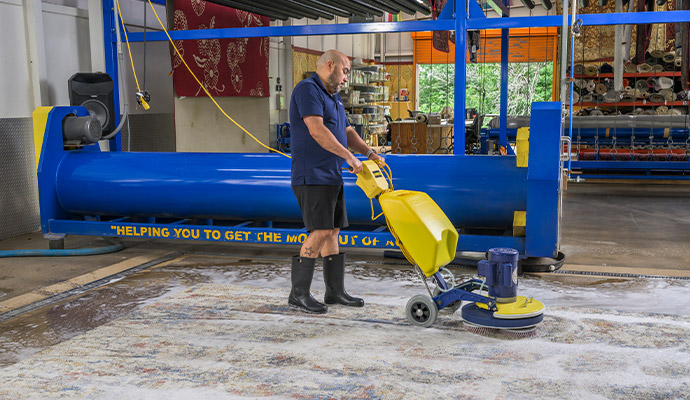
Expert cleaning rug using equipment

Professional Rug Cleaning and Repair in Austerlitz

Area rugs add beauty, warmth and character to homes, but they also require specialized care to maintain their appearance and longevity. At Jafri Oriental Rugs Cleaning, we proudly provide professional rug cleaning and repair services in Austerlitz and surrounding communities. Whether your rug has accumulated dirt over time, suffered damage, or developed stubborn stains, our experienced team has the expertise and equipment needed to restore it to its best condition. If your rug needs professional attention, call or contact us today to schedule service in Austerlitz.

518-201-1191
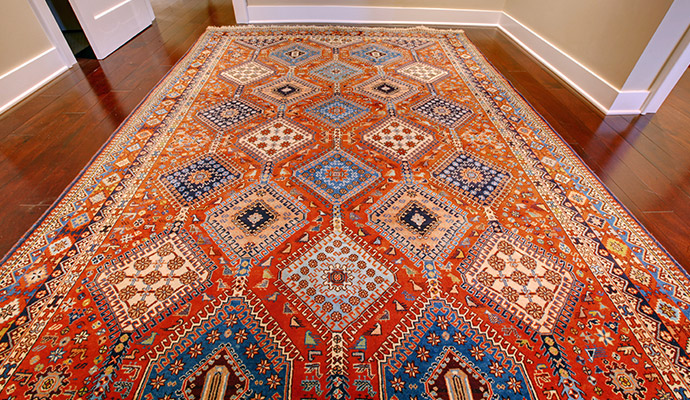
Clean area rug in living room

Why Hire a Professional for Area Rug Maintenance

Regular rug maintenance helps preserve the beauty, value and life of your rug. While vacuuming removes surface dirt, it cannot reach the deep-down debris that builds up over time. Professional rug cleaning goes beyond what household methods can do. Dirt, dust, pet dander, and moisture can settle into the fibers and cause wear if not properly removed. A professional service cleans these contaminants safely while protecting the rug's structure and appearance. At Jafri Oriental Rugs Cleaning, we inspect each rug carefully and choose the right treatment for its needs. This helps preserve its beauty, texture, and value while creating a cleaner, healthier home.

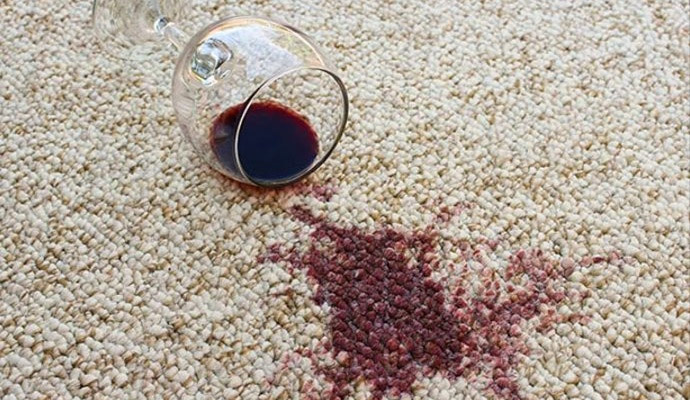
Red wine spill on carpet

We Can Remove Even the Toughest Stains

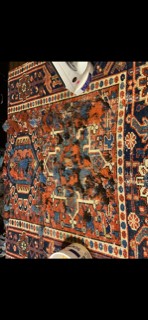
Stains can quickly take away from the beauty of a rug, especially when they come from food, drinks, pets, mud, ink, or other common spills. Prompt professional treatment gives you the best chance of restoring the rug's appearance. At Jafri Oriental Rugs Cleaning, we use proven stain removal methods customized to the rug's material and the type of stain. Our team carefully evaluates each rug before choosing the safest and most effective treatment. Our process removes visible stains along with the residue that can cause odors or discoloration. Even stubborn stains can often be greatly reduced or fully removed when treated quickly. Call or contact us to learn more about it.

Types of Rug We Provide Cleaning For

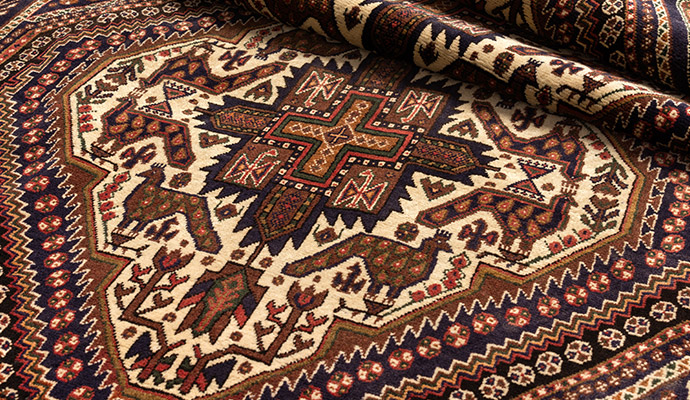
Every rug is unique and requires individualized care based on its materials, construction, and condition. Our team has extensive rug cleaning experience, ranging from modern area rugs to valuable handmade heirlooms. We use customized cleaning methods designed to address the specific needs of each rug type, ensuring a safe and effective cleaning process that delivers outstanding results. Types of rugs we clean include:
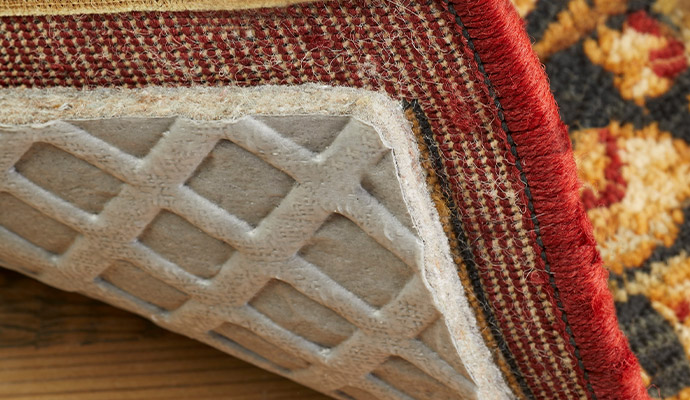
Rug pad under oriental rug

Benefits of Replacing Your Rug Pads

Many homeowners overlook rug pads, but they play an important role in protecting both the rug and the floor beneath it. Over time, pads wear down and lose their effectiveness, which can lead to added damage and reduced comfort. Replacing an old rug pad helps extend the life of your rug by reducing friction and absorbing daily wear. It also improves safety by keeping the rug from slipping or bunching, while adding a softer feel underfoot. A new rug pad can also help prevent moisture buildup and odors. In addition, it protects flooring from scratches and residue that older pads may leave behind.

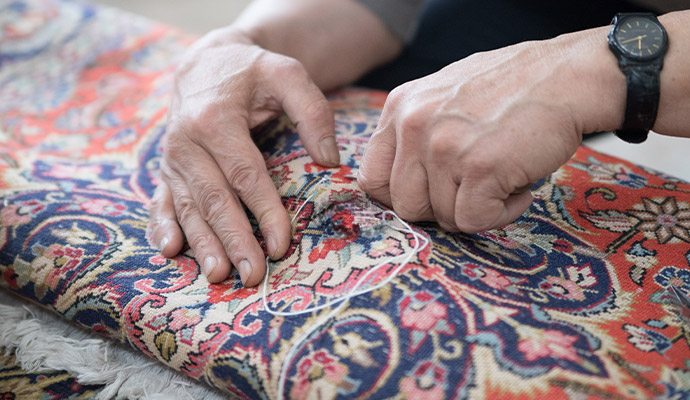
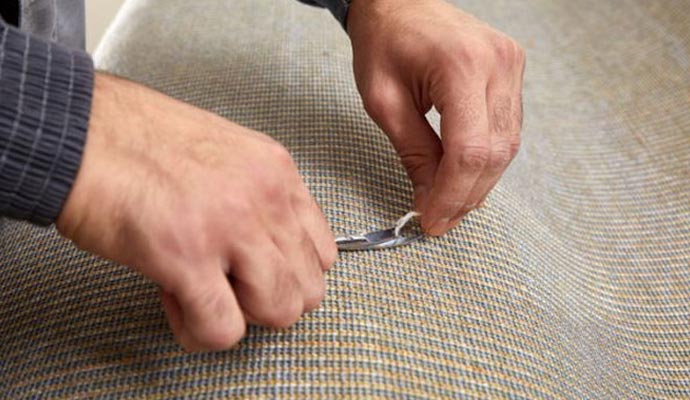
Professional rug repair hand stitching

Call Us for Rug Repair and Cleaning Service in Austerlitz

When your area rugs need professional cleaning, stain removal, repair or restoration, trust the experienced team at Jafri Oriental Rugs Cleaning. We are committed to providing exceptional service and personalized care for every rug we handle. We proudly serve homeowners and businesses throughout Austerlitz, Albany, Charlotte, Barrytown, Canton, and other nearby communities. Whether you have a treasured antique rug, a valuable Persian rug, or a modern area rug that needs professional attention, we are here to help. Call or Contact us today to learn more about our services, request an estimate, or schedule your rug cleaning appointment.

518-201-1191

FAQs

How often should I have my area rugs professionally cleaned?
Most area rugs should be professionally cleaned every 12 to 24 months, depending on foot traffic, pets, and household conditions. Regular professional cleaning helps remove deep-seated dirt, allergens, and debris that vacuuming cannot reach.
Can you remove pet stains and odors from my rug?
Yes. Our professional rug cleaning process is designed to remove many common pet stains and odors. We use specialized treatments that target both the visible stain and the odor-causing residue trapped within the rug fibers.
Are your cleaning methods safe for delicate and antique rugs?
Absolutely. Every rug receives an individual evaluation before cleaning. We use customized cleaning techniques that safely remove dirt and stains while protecting delicate fibers, dyes, and craftsmanship.
Why should I replace my rug pad?
Over time, rug pads wear down and become less effective. Replacing an old rug pad can help prevent slipping, reduce wear on your rug, improve comfort underfoot, and protect your flooring from scratches and residue.
Do you serve areas outside of Austerlitz?
Yes. We proudly serve customers in Austerlitz and surrounding communities, including Albany, Charlotte, Barrytown, Canton, and other nearby areas. Contact us to confirm service availability in your location.

Our customers love us!

See All 46 Reviews
Customer Reviews from Austerlitz and Surrounding Areas ( 5
from 12 reviews )

Happy Customers across Austerlitz and Surrounding Areas

Completed Jobs from Austerlitz and Surrounding Areas

See All

July 03, 2026 | Austerlitz, NY

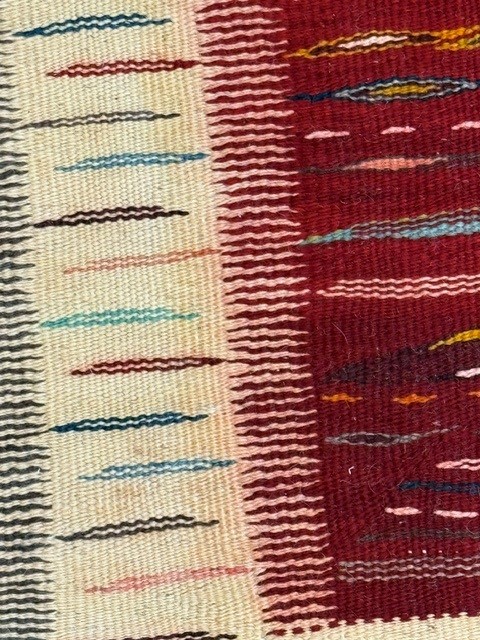
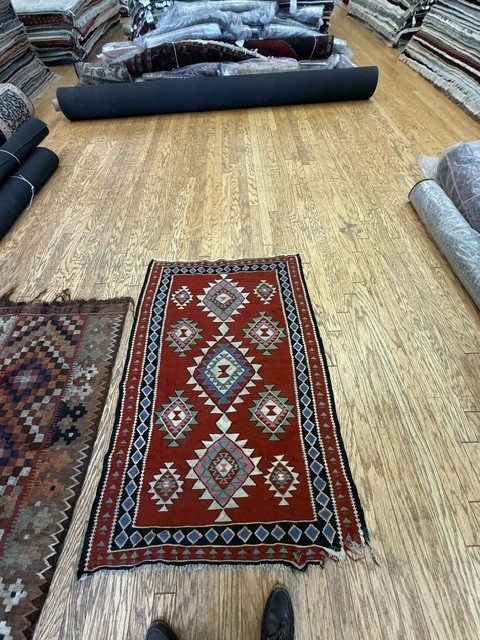
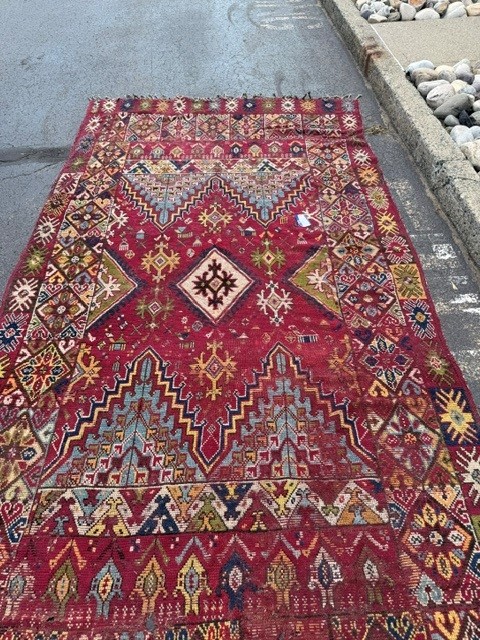
Repairing a woven Turkish kilim requires preserving the original weave, colors, and structure. The exact process varies depending on the damage, Jafri's restoration typically follows these steps:

  1. Inspection and Documentation
    • Identify fiber type (usually wool on wool or wool on cotton).
    • Assess damage such as holes, moth damage, worn areas, tears, broken selvages, or fringe loss.
    • Photograph the rug before work begins and determine whether repairs should be structural, cosmetic, or both.
  2. Dusting and Washing
    • Remove embedded dust and grit.
    • Hand wash the kilim using fiber-safe detergents.
    • Dry the rug flat under controlled conditions. Repairing a dirty rug can lock debris into the weave and accelerate wear.
  3. Stabilization
    • Secure weak edges or tears to prevent additional unraveling during restoration.
    • Reinforce loose wefts or warps before reconstruction begins.
  4. Reweaving
    • Match the original wool, yarn thickness, twist, and dye colors as closely as possible.
    • Recreate the missing warp and weft structure.
    • Hand-weave replacement sections following the original weaving technique and pattern.
  5. Selvage and Edge Repair
    • Rebuild damaged side cords if needed.
    • Rewrap or reinforce the selvages to restore strength and prevent future fraying.
  6. Fringe Restoration
    • Replace or reconstruct damaged fringe if it is structurally important.
    • Secure the fringe to the rug's foundation using traditional techniques.
  7. Blocking and Reshaping
    • Square the rug if it has become distorted.
    • Adjust tension so the kilim lies flat without ripples.
  8. Final Inspection
    • Check weave consistency and structural integrity.
    • Trim any excess fibers and ensure the repaired area blends naturally with the original rug.

For valuable or antique Turkish kilims, Jafri generally aims for conservation-quality repairs, preserving as much original material as possible rather than replacing large sections unnecessarily. Color matching, yarn selection, and weave replication are key to maintaining both the rug's appearance and value.

The complexity of the repair depends on the extent of the damage. Small moth holes may take a few hours, while reconstructing large missing sections or intricate geometric motifs can require dozens of hours of hand weaving.

June 19, 2026 | Austerlitz, NY

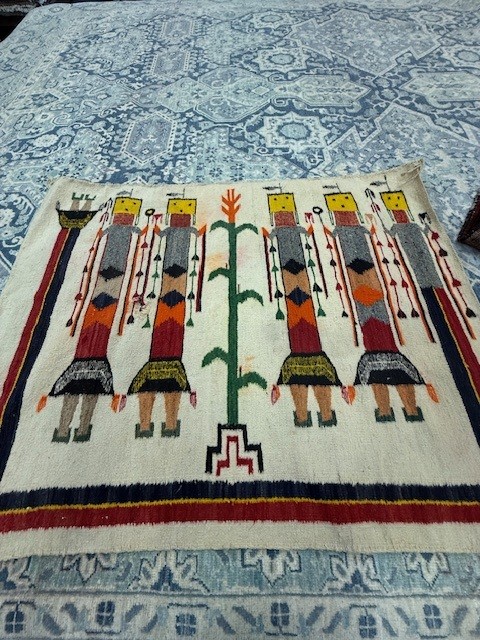
Restoring a woven kilim rug is a delicate process that requires understanding the rug’s structure, materials, and traditional weaving techniques. Kilims are flat-weave rugs, typically made from wool (and sometimes cotton), and have no pile. Restoration focuses on preserving the rug's authenticity while repairing damage such as holes, frayed edges, or faded colors.     


Repairing a woven kilim rug depends on the type and extent of damage, Jafri Rug weavers follow the below steps:

1. Inspection

Examine the rug for:

  • Holes or worn areas
  • Broken warp threads (the lengthwise foundation threads)
  • Missing weft threads (the widthwise woven threads)
  • Frayed edges or ends
  • Color fading or fiber deterioration

2. Rug Cleaning and Dusting

  • Soak rug in tub of cold water and solution
  • Remove dirt trapped in damaged sections.
  • If heavily soiled, wash the rug appropriately and allow it to dry completely before repairs.

3. Stabilize the Rug

Secure the rug on a flat work surface or stretching frame.

  • Align distorted areas.
  • Straighten loose warp threads.
  • Prevent additional unraveling while working.

4. Repair the Foundation and Warp and Weft

If warp threads are broken:

  • Insert replacement warp yarns that closely match the original material (wool, cotton, or goat hair).
  • Anchor the new warps into sound surrounding structure.
  • Maintain the original spacing and tension.

This is often the most critical step because the entire weave depends on the warp foundation.

5. Reweave Missing Areas

For holes:

  • Match the original yarn type, thickness, and color as closely as possible.
  • Recreate the missing weft structure.
  • Follow the original pattern row by row.
  • Weave tightly enough to match surrounding density without causing puckering.

For valuable or antique kilims, restorers often hand-dye yarns to achieve accurate color matching.

6. Repair Binding

If side edges are frayed:

  • Rebuild the binding (finished edge).
  • Wrap and reinforce edge cords.
  • Stitch loose sections securely.

Strong edges help prevent future unraveling.

7. Repair Fringes

If the rug ends are damaged:

  • Secure loose wefts.
  • Recreate original end bindings.
  • Replace or reconstruct fringe if appropriate to the rug's design.

Sometimes conservation work leaves fringe incomplete intentionally to preserve authenticity.

8. Blend and Finish

After structural repairs:

  • Shear any excess yarn.
  • Adjust tension where necessary.
  • Lightly groom fibers to blend repaired sections with the original weaving

May 26, 2026 | Austerlitz, NY

Jafri Rugs will perform color restoration work on this rug which requires mixing vegetable dye lot and oil together and do touch up work on the work so that it blends in the wool

March 23, 2026 | Austerlitz, NY

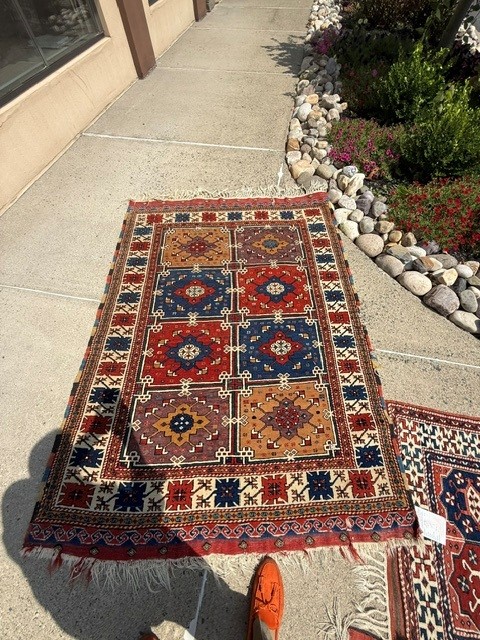
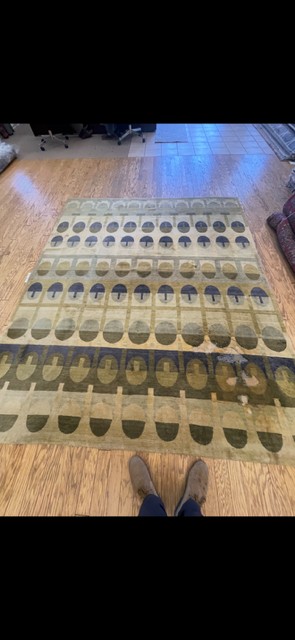
Jafri Rugs cleaned this rug by doing the following:

Initial Inspection


  • The
    cleaning process begins with a thorough inspection of the rug. Jafri Rugs
    assesses its material, condition, and any stains or areas of damage. This
    helps determine the appropriate cleaning method and whether any repairs
    are needed.


Dusting and
Vacuuming


  • Pre-Cleaning
    Dusting:
     Before washing the rug, Jafri Rugs dusting will loosen and
    remove embedded dirt and dust from deep within the fibers. This step is
    crucial for preserving the structure of the rug and preventing dirt from
    turning into abrasive particles during cleaning.

  • Vacuuming:
    The rug is vacuumed to remove surface dirt and debris. This step helps
    ensure that the rug is ready for the next phase of cleaning.


Pre-Treatment of
Stains and Spots


  • Jafri
    Rugs will apply specialized treatments to any visible stains or heavily
    soiled areas. These treatments are designed to break down the stain
    without damaging the rug fibers. For delicate rugs, a stain-removal
    solution will be chosen based on the specific material and stain type.


Washing or Deep
Cleaning


  • Hand
    Washing:
     For high-end rugs or those with fragile fibers, we may choose
    to wash the rug by hand using cool water and a mild olive oil soap detergent.
    This method is especially common for wool, silk, and other delicate
    materials.

  • Machine
    Cleaning:
     Some synthetic rugs may be cleaned with specialized machines
    that use gentle agitation to remove dirt and stains.


Rinsing


  • After
    the washing process, the rug is thoroughly rinsed to remove any detergent
    or cleaning solutions. This step is critical to avoid leaving any residues
    that could attract dirt or cause deterioration over time.


Drying


  • Air
    Drying:
     Once cleaned, the rug must be dried properly to prevent mold,
    mildew, or warping. This is done in a controlled environment, often using
    specialized equipment that ensures even drying. Rugs are usually laid flat
    or hung in a climate-controlled area.

  • Avoiding
    Direct Sunlight:
     To prevent color fading, rugs are generally not
    placed directly in the sun during the drying process.


Post-Cleaning
Treatment


  • After
    the rug has dried, it may undergo a final treatment, such as brushing or
    combing the fibers to restore its texture. Some rugs may also receive a
    protective treatment to help resist dirt, stains, or future damage.


Final Inspection
and Return


  • Once
    the cleaning and drying processes are complete, the rug is thoroughly
    inspected to ensure it meets the desired cleanliness standards. Any final
    adjustments are made before the rug is returned to its owner.

January 20, 2026 | Austerlitz, NY

Restoring a woven kilim rug is a delicate process
that requires understanding the rug’s structure, materials, and traditional
weaving techniques. Kilims are flat-weave rugs, typically made from wool
(and sometimes cotton), and have no pile. Restoration focuses on preserving the
rug's authenticity while repairing damage such as holes, frayed edges, or faded
colors.

November 15, 2025 | Austerlitz, NY

Jafri Rug restoration will do the following:

Pre-Repair Cleaning


  • A deep cleaning is performed before repairs to remove dirt, oils, and debris that interfere with repair work.

  • Includes:


    • Dusting
      (front and back)

    • Gentle hand washing with pH-neutral detergents so as not to erode the fibers of the rug

    • Rinsing and drying in a temperature-controlled environment


Structural Repairs


These are the most critical to maintain rug integrity:


a. Edge Repair (Overcasting or Binding)


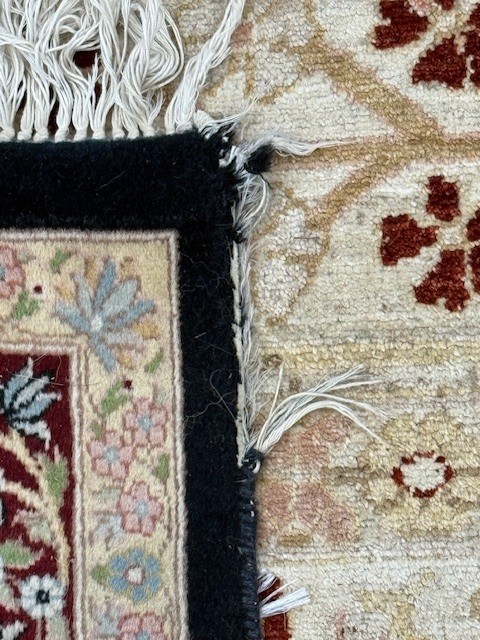
  • Rewrap or rebind fraying edges to prevent unraveling.

  • Uses matching wool or cotton thread.

  • Restores tension and keeps the weft and warp from separating.


b. Fringe Repair or Replacement


  • Stabilizes or reconstructs the fringe (often the warp threads).

  • May
    involve:


    • Tying off loose fringe

    • Fringe implants

    • Weaving new fringes into the foundation

August 16, 2025 | Austerlitz, NY

1.Inspection and Identification: Jafri Rugs carefully
inspected to assess the extent of the moth damage. This involves checking the
front and back of the rug for signs of infestation.


  • Moth
    Treatment:
     The rug would be treated to eliminate any remaining moths
    and eggs. This usually involves a deep fumigation process using
    eco-friendly chemicals or freezing the rug to kill any pests.

  • Re-weaving
    or Repairing Damaged Areas:
     The affected areas would likely require Jafri’s
    weavers reweaving the entire field. The damaged wool would be carefully
    removed, and new wool fibers, typically dyed to match the original, would
    be woven into the affected areas to restore the rug's appearance.


2. Worn and Faded Areas of the rug


As an example the medallion is a central feature in Persian
rugs, and significant wear or fading can take away from the rug’s beauty and
value.


  • Color
    Restoration:
     To restore the faded vegetable and chrome dyes, Jafri’s
    first class weavers dyeing techniques may be employed. This could involve
    carefully re-dyeing the  area using
    natural dyes or color-safe synthetic dyes. This process is done with
    precision to match the original hues and avoid dye bleeding.

  • Reweaving/Restoration:
    If the medallion’s pattern is worn down to the point of damage, Jafri’s
    weavers had to reweave the intricate design. This involves painstakingly
    replicating the original design and colors.


3. Fringe and Binding Unraveling


The fringe and the binding are crucial for maintaining the
structural integrity and aesthetic of the rug.


  • Fringe
    Repair or Replacement:
     The unraveling fringe would need to be
    reattached or replaced, depending on the extent of the damage. Jafri’s
    weavers often restore the fringe by knotting it back into place using
    similar fibers (wool or silk, depending on the rug’s original material).
    If the fringe is too damaged, it might need to be completely replaced.

  • Binding
    Reinforcement:
     The edges and binding would also be repaired. This
    could involve stitching new binding material (usually wool or cotton) onto
    the rug’s edges, followed by a careful reinforcement of the stitching to
    prevent further unraveling. A careful color match is essential to keep the
    aesthetic intact.


4. Wool Pilling


Pilling happens when fibers get tangled and form small balls
of fuzz, which can occur naturally over time with wool rugs.


  • Shaving
    the Rug:
     Pilling can be removed through a careful process of shaving.
    Special tools or razors designed for rugs are used to gently remove the
    pill without damaging the fibers underneath. The professional would
    carefully go over the rug to ensure the pilling is removed evenly, leaving
    the wool in good condition.

  • Deep
    Cleaning:
     After shaving off the pilling, the rug would undergo a deep
    cleaning to remove any remaining loose fibers and dirt. This would also
    help restore the softness of the wool.


Additional Steps in the Restoration Process:


  • Deep
    Cleaning:
     Once the repairs are done, the rug would be carefully
    cleaned using appropriate techniques for Persian rugs. This would likely
    involve hand-washing the rug with a gentle, wool-safe detergent to remove
    dirt, oils, and any debris, followed by rinsing and drying.

  • Final
    Inspection:
     After repairs, the rug would undergo a final inspection to
    ensure that all issues (moth damage, wear, pilling, etc.) have been
    properly addressed. Any minor touch-ups or final adjustments would be
    made.

February 25, 2025 | Austerlitz, NY

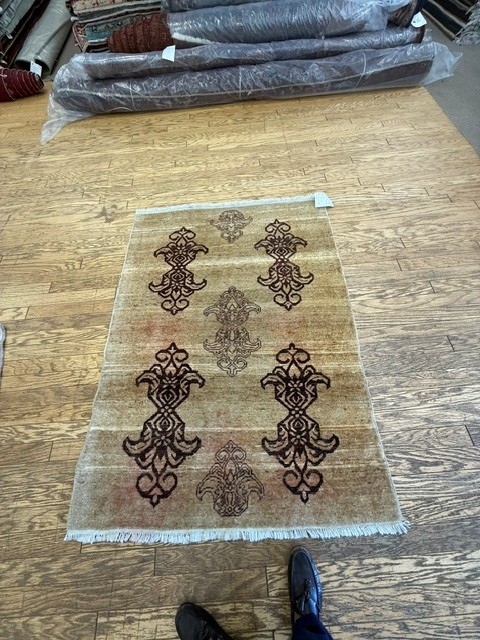
1. Inspection and Assessment • The first step in restoration is a detailed inspection to assess the extent of the damage. This includes evaluating areas of wear, unraveling threads, fading colors, and any holes or tears in the rug. Special attention is given to preserving the original design and integrity of the stitching. 2. Cleaning Before Restoration • Before any restoration work begins, the rug must be cleaned thoroughly. Cleaning ensures that any accumulated dirt or stains are removed so that the restoration work can be done on a clean surface. This also helps identify areas that may require special attention during the restoration process. 3. Reweaving or Patching Damaged Sections • Reweaving: If the rug has areas of missing or damaged stitches, skilled artisans can reweave the missing sections, matching the original patterns and colors as closely as possible. This requires a high level of expertise to ensure the new stitches blend seamlessly with the rest of the rug. • Patching: In cases of extensive damage, a patch may be applied to restore the rug. This patch is typically made from the same or similar material to the original rug and is carefully stitched into place. Patches are often used when reweaving would be too complex or when a larger section of the rug has been compromised. 4. Fringe and Edge Repair • The fringe of a rug is often subjected to wear over time. If the fringe is frayed or missing, it can be reattached or replaced by hand, ensuring that it matches the original design and material. • The edges of the rug may also need reinforcing or re-binding if they have started to unravel. This can be done by re-stitching or using a similar material to secure the edges. 5. Dyeing and Color Restoration • Color Fading: Over time, the dyes in a Tibetan rug may fade due to exposure to sunlight, wear, or improper cleaning. Skilled restoration experts can re-dye the affected areas using professional, colorfast dyes to restore the rug’s original hues. • Matching Colors: When dyeing a rug, it’s critical to match the colors exactly to ensure that the restoration is seamless. This process is usually done by hand to ensure accuracy. 6. Final Inspection • Once all the restoration work is completed, a final inspection is conducted to ensure the rug is restored to its original condition. The rug is checked for any missed areas, color inconsistencies, or stitching issues that may need to be addressed before it’s returned.

January 08, 2025 | Austerlitz, NY

Pictorial rug restoration is an intricate process that demands expert knowledge and attention to detail. Jafri Rugs, who specialize in such intricate restorations, have the necessary skills to treat the rug delicately while ensuring its design and craftsmanship remain intact.

November 16, 2024 | Austerlitz, NY

Jafri Rugs will make sure to do the following: Apply an antique wash to the rug where the rug will be soaked for days and then dusted Repair all the fringe and binding work Reweave the field to maintain the integrity of the design and eliminate all wear This customer required immediate color restoration for the rug.

October 07, 2024 | Austerlitz, NY

Jafri Rugs will make sure to do the following: Apply an antique wash to the rug where the rug will be soaked for days and then dusted Repair all the fringe and binding work Reweave the field to maintain the integrity of the design and eliminate all wear This customer required immediate color restoration for the rug.

September 09, 2024 | Austerlitz, NY

Jafri Rugs will make sure to do the following: Apply an antique wash to the rug where the rug will be soaked for days and then dusted Repair all the fringe and binding work Reweave the field to maintain the integrity of the design and eliminate all wear This customer required immediate color restoration for the rug.

Before and After Job Photos Austerlitz

See All

September 29, 2023 | Spencertown, NY

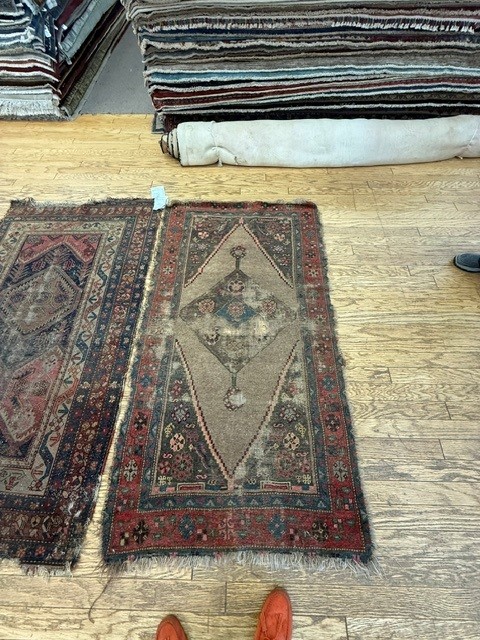
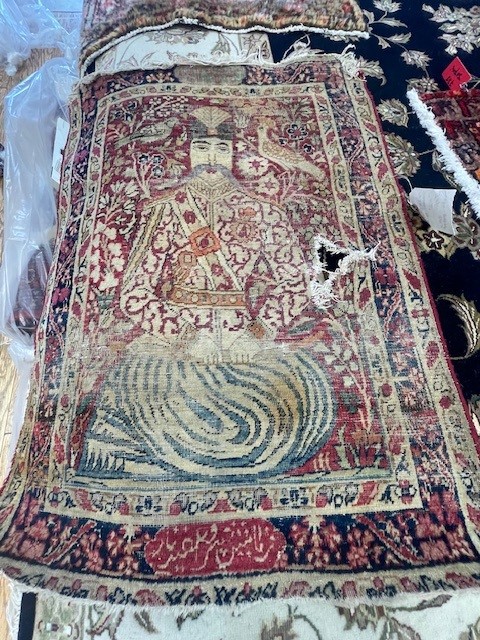
This was a threadbare antique rug that required delicate precision. Jafri Rugs not only cleaned the rug but brought back the vitality of the rug and increased the overall value of the rug. Jafri Rugs antique weavers repaired the rug to its original state and restored a century old rug. The rug required spot treatment and binding and fringe restoration. The rug additionally required reweaving into the field of the rug which was all done by hand. All repair work is done by hand.

June 19, 2023 | Ghent, NY

Jafri Rugs not only cleaned the rug but brought back the vitality of the rug and increased the overall value of the rug. Jafri Rugs antique weavers repaired the rug to its original state and restored a century old rug. The rug required spot treatment and binding and fringe restoration. This was a newly made silk on silk rug that required meticulous cleaning.
Reviews From Our Customers
Call Us For Your Free Pickup & Delivery Today!
518-201-1191
Arrow