
Mr Jafri is a pleasure to do business with. His workers have cleaned and repaired several of my rugs. The quality of work was excellent, and it was completely in a timely manner.
Oriental & Area Rug Cleaning and Repair in Housatonic
We serve customers in New York, Connecticut, Vermont & Massachusetts.
For 42 years, Jafri Oriental Rugs has been recognized as the provider of the best and most comprehensive area rug cleaning & protection services in Housatonic and throughout New York, Massachusetts, Vermont & Connecticut& areas that we serve. Our IICRC-certified technicians use cutting-edge technology, time-tested cleaning methods, pet-safe cleaning products, and eco-friendly protection processes for your Oriental rugs and other fine textiles.
20% Sale on Rug Cleaning and Repair
All pricing estimates include the 20% discount automatically
Among the primary services we provide for customers in Housatonic include:
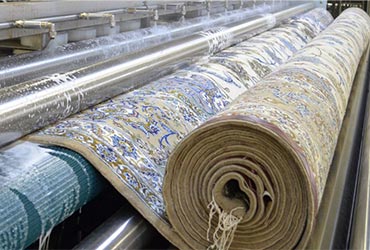
Rug Cleaning
Our crews clean all types of area rugs, removing tough stains from fine word rug.
Rug Cleaning Process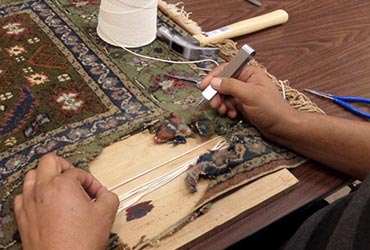
Rug Repair
We perform fringe repair, color correction, binding repair & rug restoration services.
About Rug Repair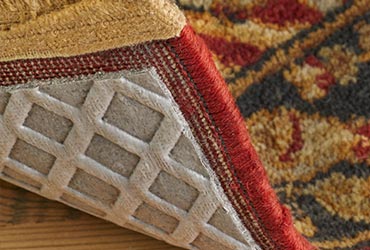
Rug Pads
We offer custom-sized rug pads to enhance and protect your heirloom & antique rugs.
About Rug Pads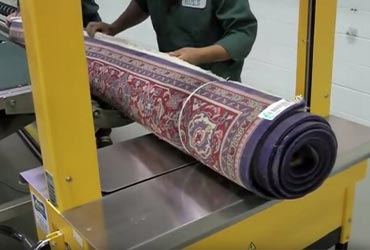
Free Pick-up & Delivery
For cleaning, repair, and other services, we pick up and return your rug at no charge.
Contact UsFrom cleaning & maintenance to protection & storage, we can handle all aspects of your rug-related needs in the Greater Albany area. Your fine textiles will be safe, secure, clean, and protected from all perils while in the hands of our IICRC-certified specialists. We treat each rug with the individual care and custom cleaning and protection services required for each type of rug fiber:& wool, cotton, jute, silk, sisal, polyester, nylon, acrylic, and more. When you need our help, give us a call at 518-201-1191 today!
Types of Rugs We Clean in Housatonic
We clean a wide variety of rugs for customers in Housatonic.
The list includes:
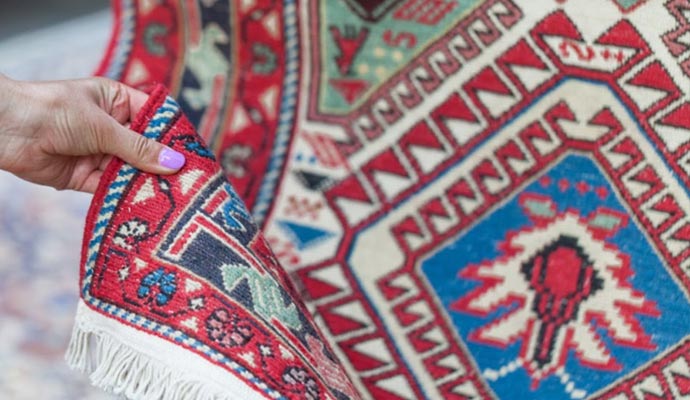
Our Rug Cleaning Process in Housatonic
When it is time to clean your Oriental or area rug in Housatonic, our step-by-step process includes:
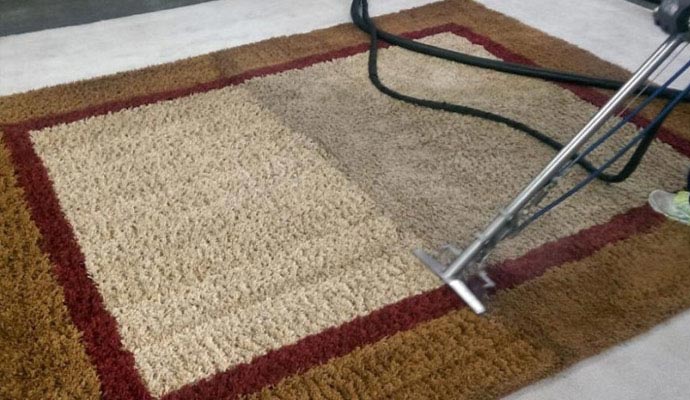
-
Consultation: We meet with you to inspect your rug and determine the best possible eco-friendly cleaning method.
-
Dusting: Because rugs are designed to hide dirt, we remove deep-seated dust and dirt with our unique dusting approach.
-
Preconditioning Treatment: We customize a special treatment for each rug to assure the safest, most eco-friendly cleaning options are used.
-
Spot & Fringe Prep: We identify and treat visible spots & stains while preparing the rug fringe for treatment.
-
Shampoo: Using an ideal rug shampooing treatment designed for your rug, we clean thoroughly while maintaining the integrity of delicate fibers.
-
Rinse: We remove all excess dirt and soap from the rug carefully and safely.
Once the rug is dry, it is returned to the customer.
Trust Us to Clean & Protect Your Oriental Rug in Housatonic
To get the best available rug cleaning, rug maintenance, rug protection, and rug storage services for customers in Housatonic and throughout Upstate New York, you need to contact the proven professionals from Jafri Oriental Rugs. For the past four decades, we have handled all aspects of your rug-related needs when it comes to cleaning, repairing and restoring fine textiles in Housatonic. To learn more about our services, give us a call at 518-201-1191 or click here to make an appointment today!
Completed Jobs from Housatonic and Surrounding Areas
See All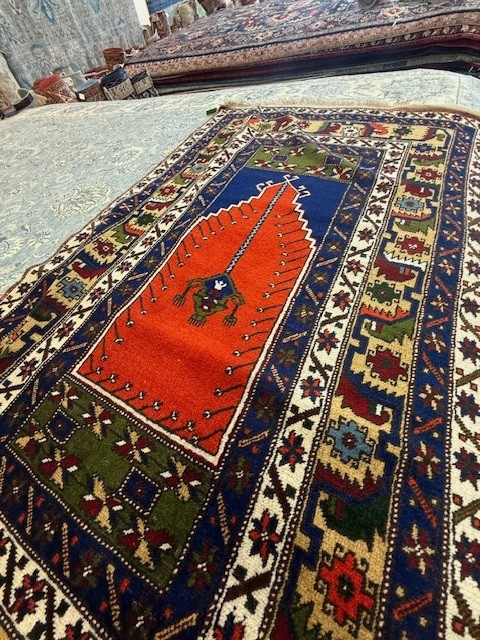
December 22, 2025 | Housatonic, MA
Jafri Rugs not only cleaned the rug but brought back the vitality of the rug and increased the overall value of the rug. Jafri Rugs antique weavers repaired the rug to its original state and restored a century old rug. The rug required spot treatment and binding and fringe restoration.
The rug additionally required reweaving into the field of the rug which was all done by hand.
All repair work is done by hand.
January 30, 2024 | Great Barrington, MA
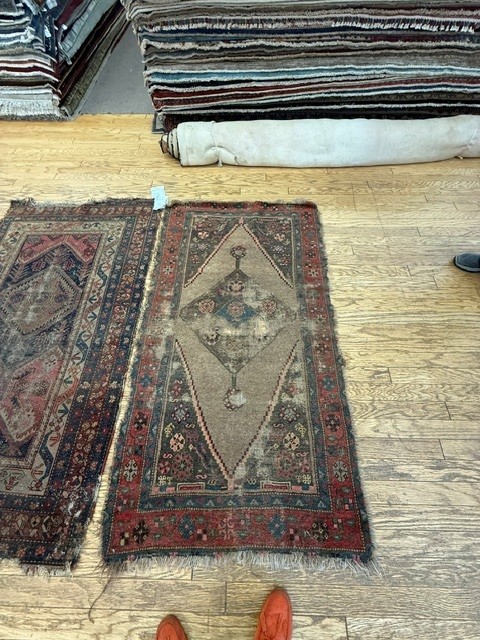
August 05, 2026 | Great Barrington, MA
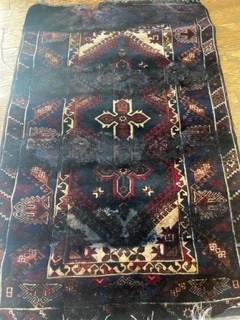
This rug requires the following work
When a Persian or Oriental rug has been exposed to flooding, rapid professional treatment is essential to prevent permanent damage from mold, mildew, dye migration, odors, and fiber deterioration. At Jafri Oriental Rugs, the flood damage cleaning and restoration process is designed to safely restore handmade rugs while preserving their craftsmanship and value.
1. Emergency Assessment
Each flood-damaged rug is carefully inspected to determine:
- Source of the water (clean water, gray water, or contaminated floodwater)
- Extent of water saturation
- Fiber type (wool, silk, cotton, or synthetic)
- Dye stability
- Mold or mildew growth
- Structural damage to the foundation
This evaluation helps determine the safest restoration approach.
2. Immediate Water Extraction
Standing water is removed as quickly as possible using professional extraction equipment to minimize:
- Mold and mildew growth
- Fiber weakening
- Dye bleeding
- Delamination and foundation damage
Prompt extraction is critical, especially for handmade rugs.
3. Dust and Debris Removal
Floodwater often leaves behind:
- Mud
- Sand
- Silt
- Organic debris
- Bacteria and contaminants
The rug is thoroughly cleaned to remove these materials before the washing process begins.
4. Specialized Hand Washing
Each rug is hand washed using fiber-safe, pH-balanced cleaning solutions appropriate for Persian and Oriental rugs. Depending on the contamination level, technicians may perform multiple washes to remove:
- Dirt and sediment
- Flood residue
- Bacteria
- Odors
- Organic contaminants
Hand washing helps protect delicate wool, silk, and natural dyes while achieving a deep clean.
5. Odor and Sanitization Treatment
Flood-damaged rugs may require specialized treatments to eliminate:
- Musty odors
- Mold spores
- Mildew
- Bacterial contamination
Professional deodorizing and sanitizing treatments help restore freshness without damaging delicate fibers.
6. Controlled Drying
After washing:
- Excess water is extracted.
- Rugs are dried in a climate-controlled environment with proper airflow and humidity control.
- Moisture levels are monitored throughout the drying process.
Controlled drying helps prevent:
- Mold growth
- Shrinkage
- Dye migration
- Fiber distortion
7. Restoration and Repairs
If flooding has caused structural damage, restoration may include:
- Fringe repair or replacement
- Edge binding repair
- Reweaving damaged areas
- Foundation stabilization
- Color correction where possible
These repairs help restore both the appearance and integrity of the rug.
8. Final Inspection
Before the rug is returned, technicians perform a comprehensive quality inspection to verify:
- Complete cleaning
- Odor removal
- Proper drying
- Structural stability
- Color consistency
- Overall restoration quality
Why Immediate Action Matters
Flood damage can permanently affect a handmade rug if left untreated. Prompt professional cleaning can:
- Reduce the risk of mold and mildew.
- Prevent permanent staining and dye bleeding.
- Remove contaminants and odors.
- Preserve the rug's structure and appearance.
- Extend the life of valuable Persian and Oriental rugs.
For the best chance of successful restoration, flood-damaged rugs should be professionally cleaned and dried as soon as possible after water exposure.
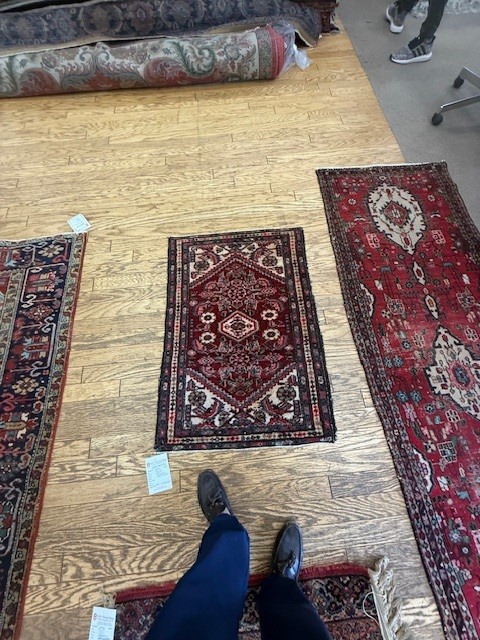
September 25, 2025 | Great Barrington, MA
1.Inspection and Identification: Jafri Rugs carefully inspected to assess the extent of the moth damage. This involves checking the front and back of the rug for signs of infestation.
· Moth Treatment: The rug would be treated to eliminate any remaining moths and eggs. This usually involves a deep fumigation process using eco-friendly chemicals or freezing the rug to kill any pests.
· Re-weaving or Repairing Damaged Areas: The affected areas would likely require Jafri’s weavers reweaving the entire field. The damaged wool would be carefully removed, and new wool fibers, typically dyed to match the original, would be woven into the affected areas to restore the rug's appearance.
2. Worn and Faded Areas of the rug
As an example the medallion is a central feature in Persian rugs, and significant wear or fading can take away from the rug’s beauty and value.
· Color Restoration: To restore the faded vegetable and chrome dyes, Jafri’s first class weavers dyeing techniques may be employed. This could involve carefully re-dyeing the area using natural dyes or color-safe synthetic dyes. This process is done with precision to match the original hues and avoid dye bleeding.
· Reweaving/Restoration: If the medallion’s pattern is worn down to the point of damage, Jafri’s weavers had to reweave the intricate design. This involves painstakingly replicating the original design and colors.
3. Fringe and Binding Unraveling
The fringe and the binding are crucial for maintaining the structural integrity and aesthetic of the rug.
· Fringe Repair or Replacement: The unraveling fringe would need to be reattached or replaced, depending on the extent of the damage. Jafri’s weavers often restore the fringe by knotting it back into place using similar fibers (wool or silk, depending on the rug’s original material). If the fringe is too damaged, it might need to be completely replaced.
· Binding Reinforcement: The edges and binding would also be repaired. This could involve stitching new binding material (usually wool or cotton) onto the rug’s edges, followed by a careful reinforcement of the stitching to prevent further unraveling. A careful color match is essential to keep the aesthetic intact.
4. Wool Pilling
Pilling happens when fibers get tangled and form small balls of fuzz, which can occur naturally over time with wool rugs.
· Shaving the Rug: Pilling can be removed through a careful process of shaving. Special tools or razors designed for rugs are used to gently remove the pill without damaging the fibers underneath. The professional would carefully go over the rug to ensure the pilling is removed evenly, leaving the wool in good condition.
· Deep Cleaning: After shaving off the pilling, the rug would undergo a deep cleaning to remove any remaining loose fibers and dirt. This would also help restore the softness of the wool.
Additional Steps in the Restoration Process:
· Deep Cleaning: Once the repairs are done, the rug would be carefully cleaned using appropriate techniques for Persian rugs. This would likely involve hand-washing the rug with a gentle, wool-safe detergent to remove dirt, oils, and any debris, followed by rinsing and drying.
· Final Inspection: After repairs, the rug would undergo a final inspection to ensure that all issues (moth damage, wear, pilling, etc.) have been properly addressed. Any minor touch-ups or final adjustments would be made.
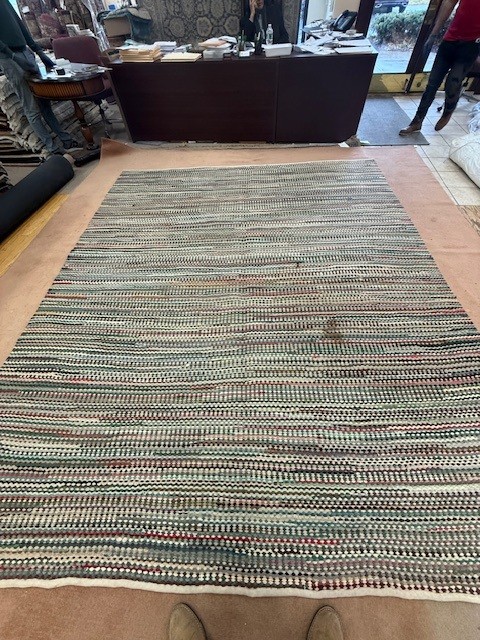
December 22, 2025 | Great Barrington, MA
Jafri Oriental Rug restoraiton will do the following:
1. Inspection & Fiber Testing
Identify fiber type (wool, cotton, jute) requiring a specific wash
Inspect stains, odors, wear, loose braids, or damage requiring a complete deodorization
Determine whether the rug is hand-braided or machine-made
2. Dry Soil Removal (Very Important)
Rug is thoroughly vacuumed on both sides prior to cleaning
A thorough dusting process is performed on the rug to suck out all dust and dirt
This removes grit trapped deep in the braids, which prevents damage during washing
3. Pre-Treatment
Spots and stains are treated individually
Wool-safe, pH-balanced cleaners are used
Heavy traffic areas may receive gentle agitation with soft brushes
4. Controlled Washing
Method depends on fiber:
Wool or Cotton Braided Rugs
Washed flat in a tub of cold water and solution
Cool to lukewarm water only
Gentle hand or machine agitation (never harsh scrubbing)
Synthetic Braided Rugs
May be washed more aggressively
Often cleaned with low-moisture or immersion washing
Hot water and strong chemicals are avoided to prevent:
Shrinkage
Dye bleeding
Distortion of the braids
5. Rinsing
Thorough rinse to remove all soap residue
Proper rinsing is critical so dirt doesn’t reattach later
6. Water Extraction
Excess water removed using:
Rug centrifuge (wringer)
Compression rollers
This prevents stretching and speeds drying
7. Drying
Rugs are dried flat or hung with proper support
Temperature- and humidity-controlled room
Air movers used, not high heat
8. Grooming & Finishing
Braids are reshaped and aligned
Fringe (if any) is straightened
Final inspection for remaining spots or odors
9. Additional Treatments
Odor neutralization
Moth proofing
Why Professional Cleaning Matters for Braided Rugs
Prevents shrinkage and warping
Avoids color bleed
Extends rug lifespan
Preserves the braided structure

January 06, 2026 | Great Barrington, MA
Jafri Rug restoration fixed this Kilim rug entirely and raised the value of the rug by doing the following:
1. Inspection and Identification: Jafri Rugs carefully inspected to assess the extent of the moth damage. This involves checking the front and back of the rug for signs of infestation.
Moth Treatment: The rug would be treated to eliminate any remaining moths and eggs. This usually involves a deep fumigation process using eco-friendly chemicals or freezing the rug to kill any pests.
Re-weaving or Repairing Damaged Areas: The affected areas would likely require Jafri's weavers reweaving the entire field. The damaged wool would be carefully removed, and new wool fibers, typically dyed to match the original, would be woven into the affected areas to restore the rug's appearance.
2. Worn and Faded Areas of the Rug
As an example the medallion is a central feature in Persian rugs, and significant wear or fading can take away from the rug's beauty and value.
Color Restoration: To restore the faded vegetable and chrome dyes, Jafri's first class weavers dyeing techniques may be employed. This could involve carefully re-dyeing the area using natural dyes or color-safe synthetic dyes. This process is done with precision to match the original hues and avoid dye bleeding.
Reweaving/Restoration: If the medallion's pattern is worn down to the point of damage, Jafri's weavers had to reweave the intricate design. This involves painstakingly replicating the original design and colors.
3. Fringe and Binding Unraveling
The fringe and the binding are crucial for maintaining the structural integrity and aesthetic of the rug.
Fringe Repair or Replacement: The unraveling fringe would need to be reattached or replaced, depending on the extent of the damage. Jafri's weavers often restore the fringe by knotting it back into place using similar fibers (wool or silk, depending on the rug's original material). If the fringe is too damaged, it might need to be completely replaced.
Binding Reinforcement: The edges and binding would also be repaired. This could involve stitching new binding material (usually wool or cotton) onto the rug's edges, followed by a careful reinforcement of the stitching to prevent further unraveling. A careful color match is essential to keep the aesthetic intact.
4. Wool Pilling
Pilling happens when fibers get tangled and form small balls of fuzz, which can occur naturally over time with wool rugs.
Shaving the Rug: Pilling can be removed through a careful process of shaving. Special tools or razors designed for rugs are used to gently remove the pill without damaging the fibers underneath. The professional would carefully go over the rug to ensure the pilling is removed evenly, leaving the wool in good condition.
Deep Cleaning: After shaving off the pilling, the rug would undergo a deep cleaning to remove any remaining loose fibers and dirt. This would also help restore the softness of the wool.
Additional Steps in the Restoration Process:
Deep Cleaning: Once the repairs are done, the rug would be carefully cleaned using appropriate techniques for Persian rugs. This would likely involve hand-washing the rug with a gentle, wool-safe detergent to remove dirt, oils, and any debris, followed by rinsing and drying.
Final Inspection: After repairs, the rug would undergo a final inspection to ensure that all issues (moth damage, wear, pilling, etc.) have been properly addressed. Any minor touch-ups or final adjustments would be made.
Challenges and Considerations:
Color Consistency: With moth damage, fading, or re-dyeing, matching the original color and design of the rug is critical. Artisans skilled in Persian rug restoration use specific techniques to ensure that the restoration looks seamless and authentic.
Preservation of Value: Since Persian rugs can be valuable, every step must prioritize both cleaning and repairing the rug in a way that preserves its authenticity and market value.
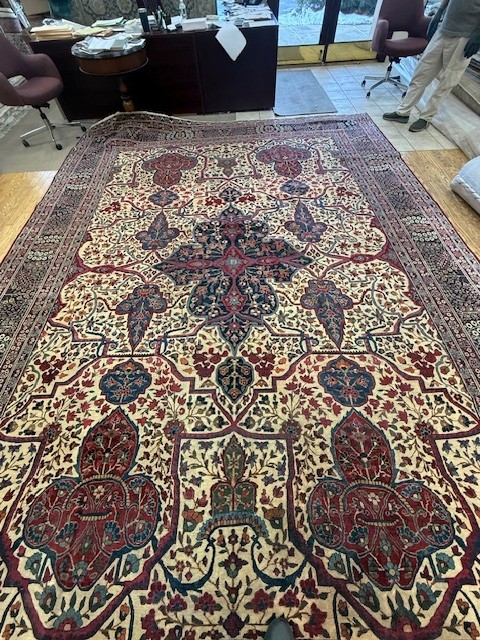
December 11, 2025 | Stockbridge, MA
Jafri Oriental Rugs has serviced Berkshire County for over 45 years
The second image shows the rug completely restored
Jafri Rug Restoration fixed this rug by applying its professional museum-quality antique rug cleaning process step-by-step:
1. Inspection & Documentation
A specialist first examines the rug to determine:
Age, origin, weave style
Fiber type (wool, silk, cotton foundation, etc.)
Dye stability (natural vegetable dyes vs synthetic dyes)
Fragile areas: worn patches, dry rot, loose fringe, holes, moth damage
Previous repairs or color touch-ups
Why it matters: Antique rugs often have unstable dyes and delicate foundations. The cleaning process is tailored based on the following factors: fabric, type of dye used, age of rug
2. Dry Soil Removal (Dusting)
This is one of the most important steps.
Gentle vibrating dusting machines
Air dusting / compressed air
This removes the following:
Packed dust
Sand/grit
Allergens
Moth larvae and eggs
Why it matters: Up to 70% of soil in antique rugs is dry particulate that tears fibers if washed without dusting.
3. Colorfastness Testing
Before any washing:
Each dye color (reds, blues, greens, blacks) is tested with water and mild detergent.
If dyes are unstable, cleaners apply dye stabilizers or choose a dry-cleaning or low-moisture method.
Why it matters: Natural dyes can bleed or fade; this prevents damage.
4. Specialty Hand Wash (Traditional Bath)
Most high-end cleaners wash antique rugs by hand, never by machine.
Steps:
Rug is submerged in a cool-water wash pit.
Olive oil wool-safe shampoo from Italy is gently applied, no harsh chemicals are applied as that can cause color run/color bleeding
Both sides of the rug are cleaned using soft brushes or hand tools.
Water is circulated to remove embedded dirt.
5. Rinse & Water Extraction
Thorough rinsing removes soap residue that can attract dirt later.
Water extraction is done by rolling, squeegeeing, or suction tools.
No high-heat drying (which can shrink wool or warp foundations).
6. Controlled Drying
Antique rugs are dried:
In climate-controlled rooms with proper airflow
Drying can take 24–48+ hours depending on the rug’s age and thickness.
7. Grooming & Fringe Care
After cleaning:
Rug pile is brushed in its natural direction going the grain and fibers of the rug
Fringe is hand-cleaned and straightened out with a comb
8. Repairs or Restoration
Reweaving worn areas
Edge/selvage reinforcement
Fringe repair or replacement
Moth damage treatment
Color restoration is used where actual dye and New Zealand worsted wool is used to bring back the original condition of the rug
9. Final Inspection
The rug is checked for:
Even pile direction
Clean fringe
No soap residue
No odor
Proper color stability
Smooth, flat drying
Why Antique Rugs Need Special Care?
Antique rugs are different because:
Natural vegetable dyes can bleed
Wool fibers become brittle with age
Cotton foundations shrink easily
Hand-knotted structure can loosen
Value (sometimes thousands of dollars) depends on condition
Machine carpet cleaning or steam cleaning can destroy antique rugs.
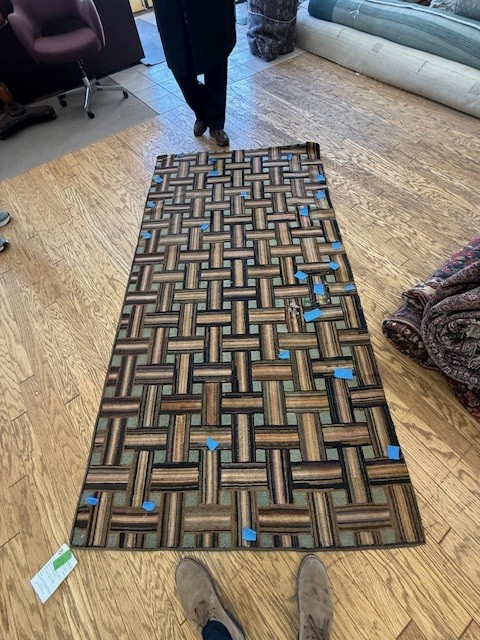
January 05, 2026 | Alford, MA
Professionally cleaning hooked rugs requires extra care because their construction (loops pulled through a backing) makes them vulnerable to snagging, shrinkage, dye bleeding, and backing damage.
1. Inspection & Fiber Identification
-
Identify fibers (usually wool, sometimes cotton or blends)
-
Check backing (linen, cotton, burlap, or synthetic)
-
Test for:
-
Dye stability
-
Shrinkage risk
-
Existing loose loops or repairs
-
Any loose loops are secured before cleaning.
2. Dry Soil Removal
-
Gentle vacuuming only
-
No beater bars
-
Sometimes dusting with controlled vibration from the back side (if stable)
Dry soil removal is critical because grit can cut fibers during washing.
3. Pre-Treatment & Spot Testing
-
Stains are pre-treated using wool-safe, pH-neutral solutions
-
No soaking
-
No aggressive agitation
-
Test each color for bleeding
4. Controlled Washing (Most Common Professional Method)
If the rug is stable, professionals typically use:
Low-immersion or flat-wash method
-
Rug laid flat on a wash floor
-
Cleaned with cool to lukewarm water
-
Mild wool-safe detergent
-
Soft hand tools or sponge (never rotary machines)
-
Minimal water penetration to the backing
👉 This reduces risk of:
-
Shrinkage
-
Loop distortion
-
Backing delamination
5. Rinsing
-
Thorough but controlled rinsing
-
Residual soap is fully removed to prevent stiffness and soil attraction
6. Water Extraction
-
Gentle extraction (vacuum table or blotting)
-
No wringing or hanging
-
Loops are reshaped during extraction
7. Drying
-
Rug dried flat
-
Air movers for airflow
-
No heat
-
Periodic grooming to maintain loop shape
8. Finishing & Grooming
-
Final inspection
-
Loop alignment and gentle grooming
-
Minor repairs if needed (re-hooking loose loops)
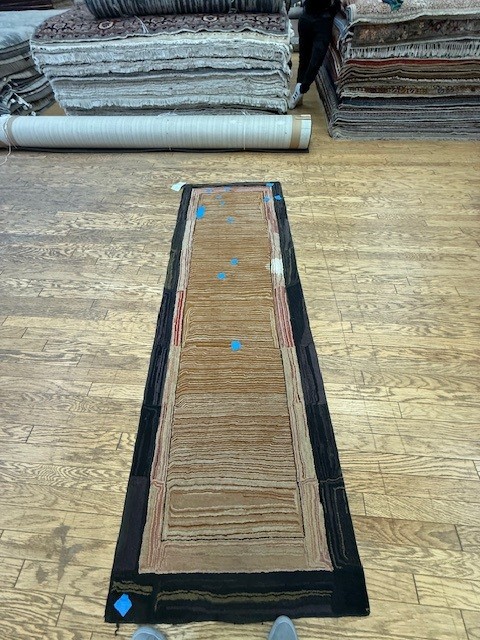
October 23, 2025 | Great Barrington, MA
1. Initial Inspection & Documentation
A specialist begins by:
-
Inspecting the rug’s condition: identifying damage (loose loops, stains, dry or brittle backing, etc.).
-
Testing dyes for colorfastness using damp blotting methods.
-
Assessing structure: determining whether the rug is hooked through burlap, linen, or cotton backing — critical for cleaning method choice.
-
Photographing before cleaning to document condition.
Goal: Ensure the rug can safely undergo wet or dry cleaning without fiber loss or dye bleeding.
2. Dry Soil Removal ("Dusting")
Before washing, the rug is cleaned of dust, sand, and debris that have settled between loops.
Methods include:
-
Vacuuming gently from the back with a screen over the surface (to avoid pulling loops).
-
Compressed air or vibration tables for deeper dust removal.
-
No beater bar or rotary brushes — these can tear hooked loops.
Goal: Remove embedded grit that can damage fibers during washing.
3. Pre-Treatment & Stain Work
-
Stains (especially pet or food) are treated with wool-safe, pH-neutral solutions.
-
Oils or sticky residues may require spot work with mild solvents or enzyme cleaners — tested first for safety.
-
Areas of weakened backing are temporarily stabilized with netting or stitching before immersion.
Goal: Lift stains gently without chemical or mechanical stress on the loops or backing.
4. Hand Washing
The rug is washed flat, never in a drum or agitation machine.
Process:
-
The rug is placed on a clean, flat wash floor.
-
A mild olive oil shampoo is gently applied with sponges or soft brushes.
-
Water is cold or slightly cool to prevent shrinkage or bleeding.
-
Both sides are hand-cleaned, taking care not to distort hooked loops.
Goal: Clean deeply while preserving texture, fiber integrity, and shape.
5. Rinsing
-
The rug is rinsed several times until all detergent residue is removed.
-
Cleaners often use low-pressure water and absorbent wands to draw out remaining moisture.
-
Excess water is carefully squeezed out (never wrung or twisted).
Goal: Remove all soap to prevent re-soiling or stiffness.
6. Drying
-
The rug is laid flat on a drying surface or screen.
-
Fans and dehumidifiers ensure slow, even drying.
-
The rug is reshaped (“blocked”) during drying to prevent curling or shrinkage.
-
Sunlight and heat are avoided — UV fades dyes and can weaken backing fibers.
Goal: Dry evenly to retain original dimensions and prevent distortion.
7. Final Grooming
-
Loops are gently lifted and aligned using a soft brush or hook.
-
Light vacuuming (with a brushless tool) removes surface fluff.
-
A textile conditioner or fiber softener (wool-safe) may be applied lightly.
Goal: Restore natural texture, sheen, and softness.
PROFESSIONAL REPAIR & RESTORATION PROCESS
1. Structural Assessment
-
Determine if the backing (often burlap or linen) is intact or brittle.
-
Identify areas where loops have pulled out or worn away.
-
Mark damaged sections for patching or re-hooking.
2. Backing Repair or Replacement
-
If the backing is deteriorating, the conservator may replace or overlay it:
-
The old burlap may be left in place and reinforced with new linen or cotton scrim.
-
New backing is hand-stitched to maintain original tension and flexibility.
-
Goal: Provide new structural support without altering the rug’s appearance.
3. Re-Hooking or Re-Weaving
-
Missing loops are re-hooked by hand using yarn that matches fiber, color, and twist.
-
A rug hook is inserted through the backing to recreate the original pattern.
-
For antique rugs, undyed wool or hand-dyed yarns are used for authenticity.
🪡 Goal: Restore missing or damaged areas seamlessly.
4. Edge & Binding Repair
-
Frayed or unraveling edges are rebound with overcast stitches or new binding tape.
-
Corners are reinforced to prevent future pulling.
-
Binding is color-matched to the rug’s edge tones.
Goal: Prevent further unraveling and restore structural integrity.
5. Color & Surface Restoration (Optional)
-
Faded sections can be retouched with textile-safe dyes or pigments, matched carefully to original shades.
-
Gentle steaming or pressing (through a protective cloth) may flatten minor ripples.
Goal: Enhance visual consistency without altering the rug’s original patina.
6. Final Blocking & Inspection
-
The rug is again laid flat and reshaped (“blocked”) to true dimensions.
-
A full inspection ensures even tension, aligned loops, and stability.
-
The rug is photographed and wrapped in acid-free materials for return or storage.
Goal: Deliver a clean, stable, and visually restored hooked rug ready for display or use.
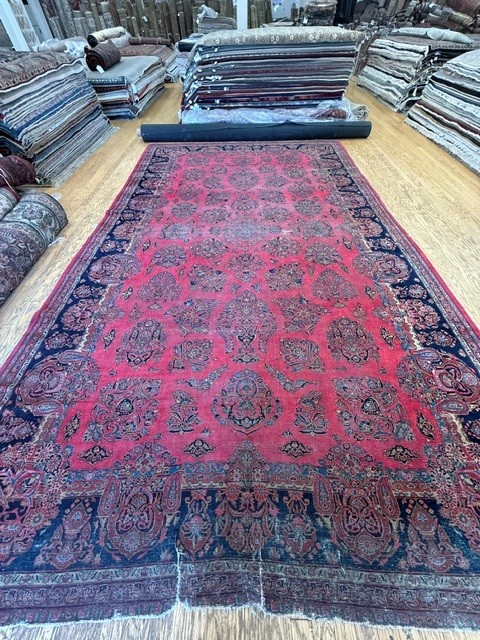
August 11, 2026 | Great Barrington, MA
Professional Woven Rug Cleaning and Repair at Jafri Rugs
Woven rugs are handcrafted textiles that require specialized care to preserve their fibers, colors, patterns, and structural integrity. At Jafri Rugs, we provide professional woven rug cleaning, repair, and restoration services for Persian, Oriental, antique, wool, silk, and other handmade woven rugs.
Whether your woven rug needs routine cleaning, stain removal, fringe repair, edge restoration, or extensive reweaving, our experienced rug specialists use careful cleaning and traditional restoration techniques to help protect your rug for years to come.
Expert Cleaning for Woven Rugs
Dirt, dust, pet hair, stains, and other contaminants can become embedded deep within the weave of a rug. Over time, abrasive particles can contribute to fiber wear and deterioration.
Our professional woven rug cleaning process is customized according to the rug's materials, construction, age, dyes, and overall condition.
Our services include:
- Woven rug cleaning
- Persian rug cleaning
- Oriental rug cleaning
- Wool rug cleaning
- Silk rug cleaning
- Antique rug cleaning
- Handmade area rug cleaning
- Pet stain and odor removal
- Spot and stain treatment
- Moth damage treatment
- Flood damage cleaning
Before cleaning, each rug is carefully inspected to determine the safest and most effective treatment.
Our Woven Rug Cleaning Process
1. Detailed Inspection
We examine the rug for stains, wear, loose threads, color stability, fringe damage, edge deterioration, moth damage, and other structural concerns.
2. Dust and Soil Removal
Dry soil and abrasive particles are carefully removed before washing. This important step helps prevent embedded dirt from causing additional wear to the rug's fibers.
3. Specialized Washing
Each woven rug receives a cleaning method appropriate for its individual construction and fiber type. Delicate wool, silk, antique, and handmade rugs require specialized treatment to help protect their colors and structure.
4. Stain & Odor Treatment
Stains, pet accidents, odors, and other problem areas are treated according to the rug's materials and condition.
5. Controlled Drying
After cleaning, the rug is thoroughly dried under controlled conditions. Proper drying helps reduce the risk of mildew, excessive moisture, shrinkage, and dye migration.
6. Final Inspection
Once cleaning is complete, the rug is carefully inspected to ensure it has been properly cleaned, dried, groomed, and prepared for return.
Woven Rug Repair & Restoration
Woven rugs can develop damage from years of use, furniture, pets, moths, water exposure, or improper handling. Our woven rug repair and restoration services are designed to address both cosmetic and structural damage.
Depending on the condition of your rug, restoration may include:
- Hand reweaving
- Hole repair
- Tear repair
- Foundation repair
- Fringe repair
- Fringe replacement
- Edge binding repair
- Moth damage repair
- Missing pile restoration
- Color restoration
- Hooked rug repair
Woven Rug Reweaving
When sections of a woven rug have been damaged or lost, hand reweaving can reconstruct the affected area. Skilled craftsmen carefully match the existing weave, fibers, colors, knots, and patterns as closely as possible.
Reweaving may be used to repair holes, tears, worn sections, and areas affected by moth or water damage.
The goal is to restore the rug's structural integrity while maintaining the character and appearance of the original handmade piece.
Fringe & Edge Repair
The ends and edges of a woven rug are particularly vulnerable to wear. Damaged fringe, loose foundation threads, and unraveling edges can become increasingly serious if left untreated.
Our woven rug fringe repair and edge binding services help stabilize these areas and prevent further deterioration.
Antique & Handmade Woven Rug Restoration
Antique and vintage woven rugs require additional care because their fibers and foundations may have weakened with age. Restoration techniques are selected carefully to preserve as much of the original material and craftsmanship as possible.
Our specialists can evaluate antique woven rugs for cleaning, structural repairs, fringe restoration, reweaving, and other conservation needs.
Why Choose Jafri Rugs?
At Jafri Rugs, we understand that every handmade rug is unique. A woven rug should not automatically be treated using the same process as conventional wall-to-wall carpeting.
Our approach combines:
- Professional rug cleaning expertise
- Traditional restoration techniques
- Experienced repair craftsmen
- Specialized equipment
- Individual rug assessments
- Cleaning and repair services
- Attention to delicate fibers and dyes
From routine cleaning to extensive restoration, we provide comprehensive care for your valuable woven rugs.
Protect Your Woven Rug
Regular professional cleaning can help remove abrasive dirt before it causes unnecessary fiber wear. Addressing loose edges, damaged fringe, holes, and other problems early can also help prevent more extensive and costly repairs.
Proper cleaning, maintenance, and restoration can help extend the life of a handmade woven rug and preserve its beauty for generations.
Schedule Woven Rug Cleaning & Repair
If your woven rug needs professional cleaning, repair, or restoration, trust specialists who understand handmade textiles.
Contact Jafri Rugs today to schedule a professional evaluation for your woven rug. Whether you need cleaning, stain removal, fringe repair, reweaving, or complete restoration, our team is ready to help preserve your rug's beauty, craftsmanship, and longevity.
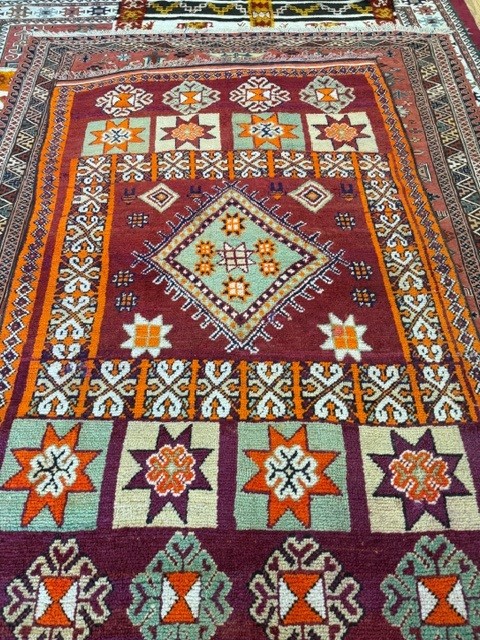
May 22, 2026 | Egremont, MA
The rug is now fully repaired and the field is rewoven
The colors are now coming thru based on the original condition
Restoring a woven kilim rug is a delicate process that requires understanding the rug’s structure, materials, and traditional weaving techniques. Kilims are flat-weave rugs, typically made from wool (and sometimes cotton), and have no pile. Restoration focuses on preserving the rug's authenticity while repairing damage such as holes, frayed edges, or faded colors.
Repairing a torn Moroccan kilim professionally usually means stabilizing the structure first, then reweaving the damaged section so the repair becomes part of the original weave rather than a patch placed on top.
1. Inspection and stabilization
Jafri Oriental Weavers confirm the following:
- Whether warp threads are broken
- Dye stability
- Wool condition and dry rot
- Edge/fringe weakness
Loose wool fibers and threads are secured before cleaning.
2. Cleaning before repair due to:
- Existing dirt digs into the fibers
- Exposes existing damage
- Hidden damage becomes visible
Hand washing is preferred for kilims.
3. Rebuilding the foundation
If the vertical warp threads are broken, new warp threads are inserted and tensioned.
This is the structural foundation of the rug.
4. Reweaving the torn area
The repairer:
- Matches wool type and thickness
- Matches colors and dye tones
- Recreates the original weave pattern by hand
For geometric Turkish kilims, this can require careful pattern reconstruction.
5. Edge and fringe repair
If the tear reaches the binding:
- Selvage edges may be rebound
- Fringe may be reconstructed
- Weak sections reinforced
6. Blocking and finishing
The rug is stretched back into shape and dried flat so it lies evenly.
Before and After Job Photos Housatonic
See All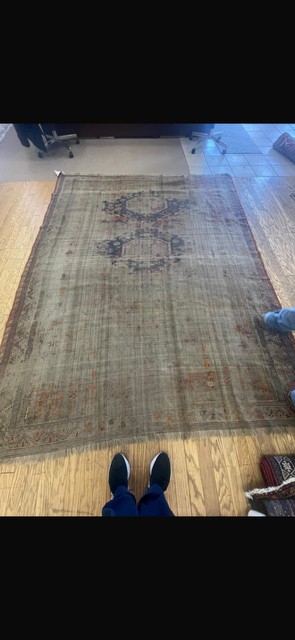
June 14, 2025 | Hillsdale, NY
This late 1800's sumac was brought in to the showroom in completely damaged condition. The rug was completely decayed and the only remnant of design was the navy of the medallions and some of the field. This is a rug that required Jafri Rugs weavers to maintain the antiquity of the rug and took approx a year to fix.
The before and after images show the work required to fix this rug. The rug is a classic sumac and therefore requires craftsmanship to bring this heirloom rug back to its original condition. Jafri Rugs did the following:
-Recreated the original schematic of the rug to reweave the destroyed medallions
1.Inspection and Identification: Jafri Rugs carefully inspected to assess the extent of the moth damage. This involves checking the front and back of the rug for signs of infestation.
• Moth Treatment: The rug would be treated to eliminate any remaining moths and eggs. This usually involves a deep fumigation process using eco-friendly chemicals or freezing the rug to kill any pests.
• Re-weaving or Repairing Damaged Areas: The affected areas would likely require Jafri’s weavers reweaving the entire field. The damaged wool would be carefully removed, and new wool fibers, typically dyed to match the original, would be woven into the affected areas to restore the rug's appearance.
2. Worn and Faded Areas of the rug
As an example the medallion is a central feature in Persian rugs, and significant wear or fading can take away from the rug’s beauty and value.
• Color Restoration: To restore the faded vegetable and chrome dyes, Jafri’s first class weavers dyeing techniques may be employed. This could involve carefully re-dyeing the area using natural dyes or color-safe synthetic dyes. This process is done with precision to match the original hues and avoid dye bleeding.
• Reweaving/Restoration: If the medallion’s pattern is worn down to the point of damage, Jafri’s weavers had to reweave the intricate design. This involves painstakingly replicating the original design and colors.
3. Fringe and Binding Unraveling
The fringe and the binding are crucial for maintaining the structural integrity and aesthetic of the rug.
• Fringe Repair or Replacement: The unraveling fringe would need to be reattached or replaced, depending on the extent of the damage. Jafri’s weavers often restore the fringe by knotting it back into place using similar fibers (wool or silk, depending on the rug’s original material). If the fringe is too damaged, it might need to be completely replaced.
• Binding Reinforcement: The edges and binding would also be repaired. This could involve stitching new binding material (usually wool or cotton) onto the rug’s edges, followed by a careful reinforcement of the stitching to prevent further unraveling. A careful color match is essential to keep the aesthetic intact.
4. Wool Pilling
Pilling happens when fibers get tangled and form small balls of fuzz, which can occur naturally over time with wool rugs.
• Shaving the Rug: Pilling can be removed through a careful process of shaving. Special tools or razors designed for rugs are used to gently remove the pill without damaging the fibers underneath. The professional would carefully go over the rug to ensure the pilling is removed evenly, leaving the wool in good condition.
• Deep Cleaning: After shaving off the pilling, the rug would undergo a deep cleaning to remove any remaining loose fibers and dirt. This would also help restore the softness of the wool.
September 29, 2023 | Spencertown, NY
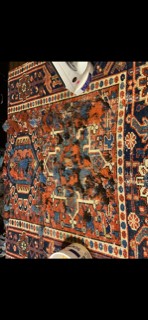
This was a threadbare antique rug that required delicate precision.
Jafri Rugs not only cleaned the rug but brought back the vitality of the rug and increased the overall value of the rug. Jafri Rugs antique weavers repaired the rug to its original state and restored a century old rug. The rug required spot treatment and binding and fringe restoration.
The rug additionally required reweaving into the field of the rug which was all done by hand.
All repair work is done by hand.
Reviews From Our Customers
I bless the day I found Mr Jafri. As one who has collected rugs for 50 years, I both learned about their value and origins and had them beautifully cleaned and repaired.
Very beautiful rugs there, would have been a difficult decision. Only needed a rug pad this time. When we're in the market again, this is where we'll go. Pete, Delmar, NY
Call Us For Your Free Pickup & Delivery Today!
