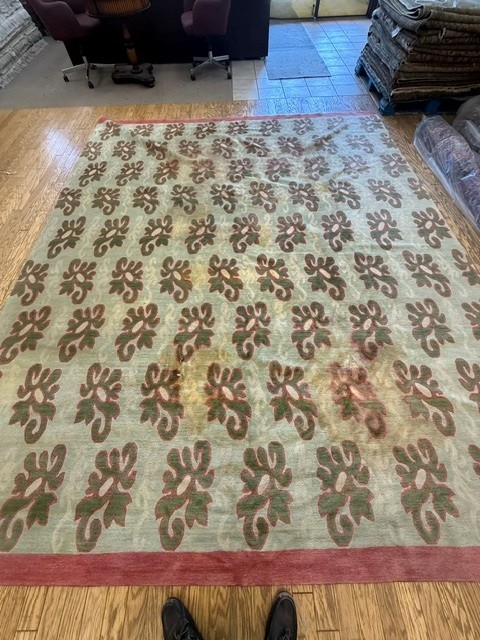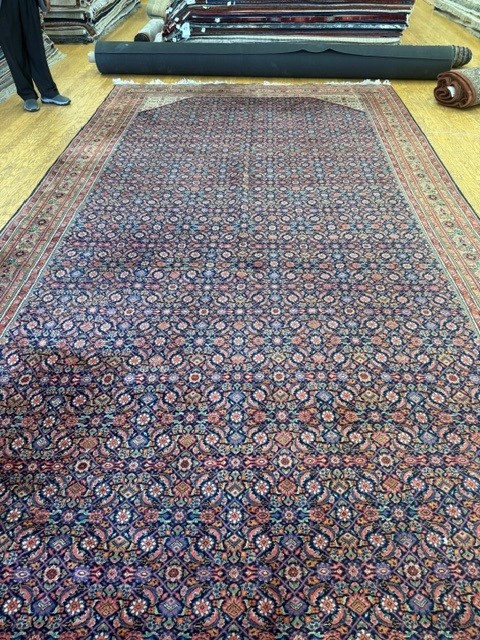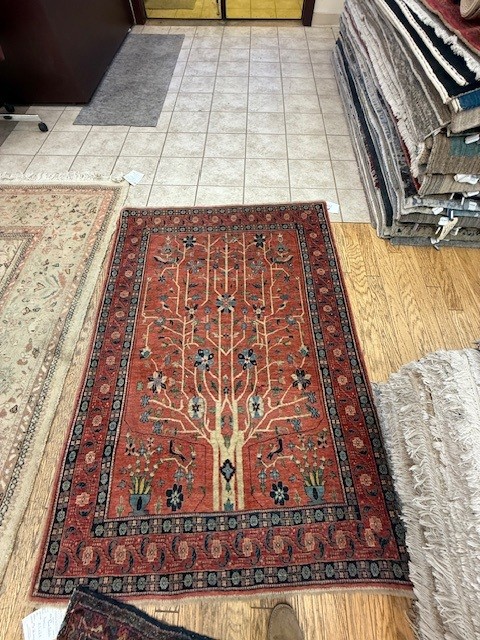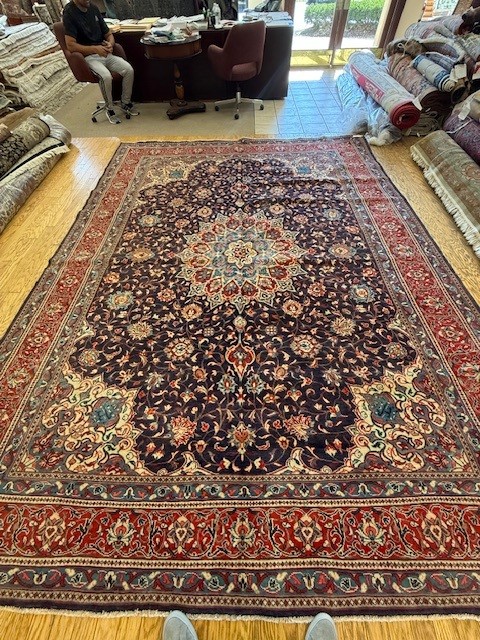
Jafri Oriental Rug Cleaning Logo
Free Pick-up & Delivery
Contact Us
Call Us Now
518-201-1191

Oriental Area Rug Cleaning, Repair, and Restoration in Tivoli, NY

We serve customers in New York and Dutchess County, New York

For 42 years, Jafri Oriental Rugs has been recognized as the provider of the best and most comprehensive area rug cleaning & protection services in Tivoli and throughout New York, Massachusetts, Vermont & Connecticut& areas that we serve. Our IICRC-certified technicians use cutting-edge technology, time-tested cleaning methods, pet-safe cleaning products, and eco-friendly protection processes for your Oriental rugs and other fine textiles.

20% Sale on Rug Cleaning and Repair

All pricing estimates include the 20% discount automatically

Among the primary services we provide for customers in Tivoli include:
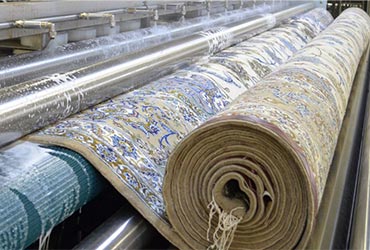
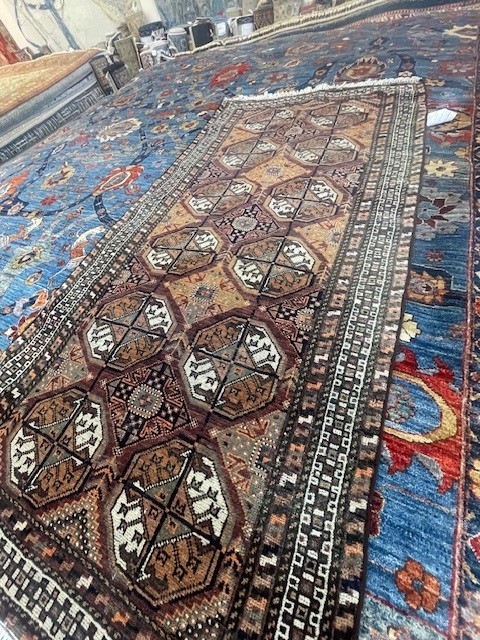
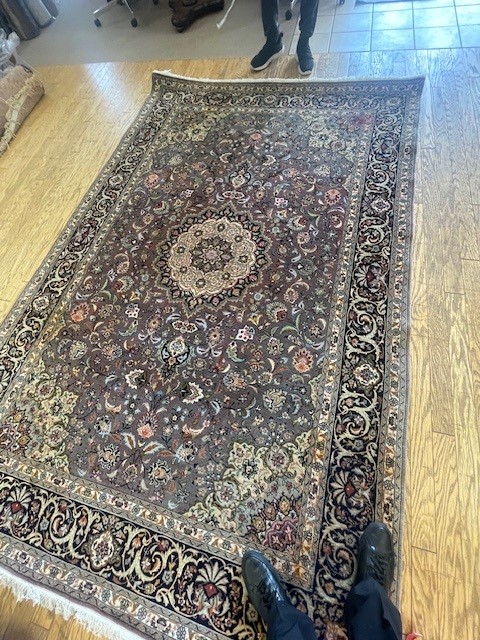
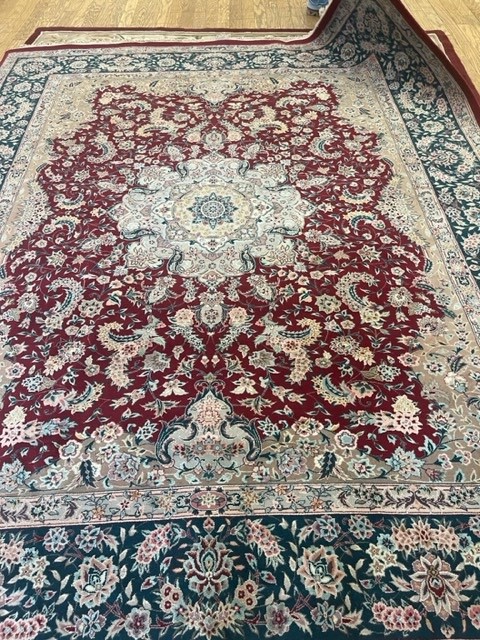
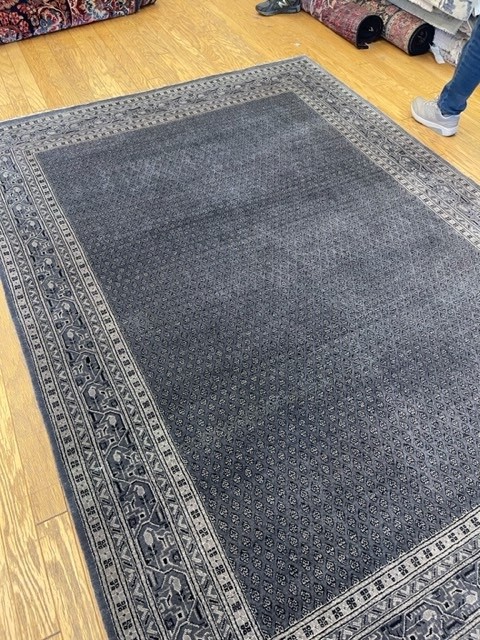
Rug Cleaning

Rug Cleaning

Our crews clean all types of area rugs, removing tough stains from fine word rug.

Rug Cleaning Process
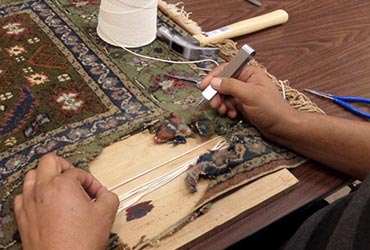
Rug Repair

Rug Repair

We perform fringe repair, color correction, binding repair & rug restoration services.

About Rug Repair
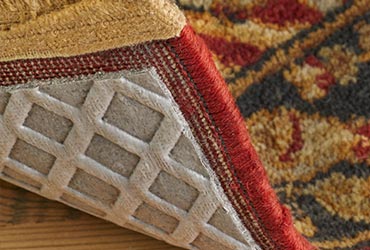
Rug Pads

Rug Pads

We offer custom-sized rug pads to enhance and protect your heirloom & antique rugs.

About Rug Pads
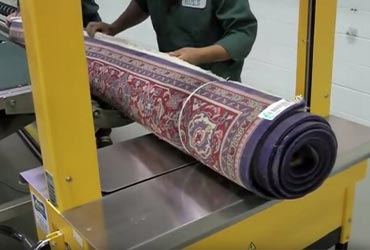
Free Pick-up & Delivery

Free Pick-up & Delivery

For cleaning, repair, and other services, we pick up and return your rug at no charge. 

Contact Us

From cleaning & maintenance to protection & storage, we can handle all aspects of your rug-related needs in the Greater Albany area. Your fine textiles will be safe, secure, clean, and protected from all perils while in the hands of our IICRC-certified specialists. We treat each rug with the individual care and custom cleaning and protection services required for each type of rug fiber:& wool, cotton, jute, silk, sisal, polyester, nylon, acrylic, and more. When you need our help, give us a call at 518-201-1191 today!

Types of Rugs We Clean in Tivoli

We clean a wide variety of rugs for customers in Tivoli.
The list includes:
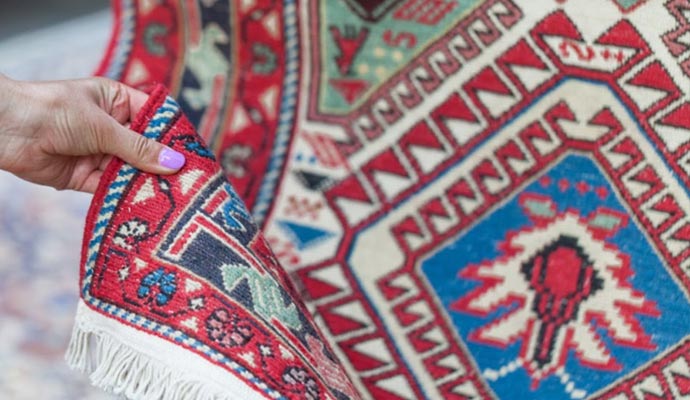
And Many More!

Oriental & Area Rug Cleaning and Protection Services in  New York, Massachusetts, Vermont & Connecticut by Jafri Rug Cleaning

Our Rug Cleaning Process in Tivoli

When it is time to clean your Oriental or area rug in Tivoli, our step-by-step process includes:
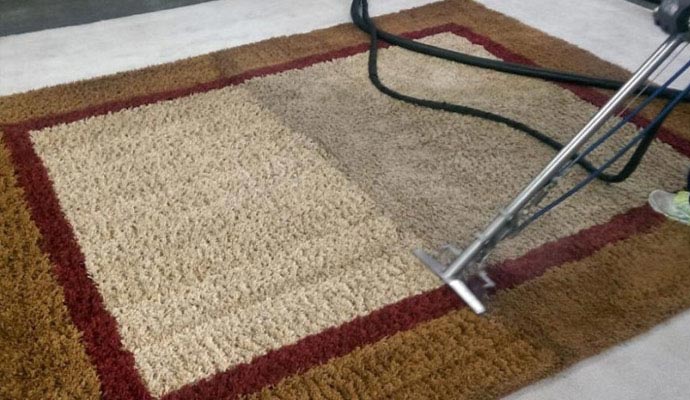
Rug Cleaning Before & After
  • Consultation: We meet with you to inspect your rug and determine the best possible eco-friendly cleaning method.

  • Dusting: Because rugs are designed to hide dirt, we remove deep-seated dust and dirt with our unique dusting approach.

  • Preconditioning Treatment: We customize a special treatment for each rug to assure the safest, most eco-friendly cleaning options are used.

  • Spot & Fringe Prep: We identify and treat visible spots & stains while preparing the rug fringe for treatment.

  • Shampoo: Using an ideal rug shampooing treatment designed for your rug, we clean thoroughly while maintaining the integrity of delicate fibers.

  • Rinse: We remove all excess dirt and soap from the rug carefully and safely.

Once the rug is dry, it is returned to the customer.

Trust Us to Clean & Protect Your Oriental Rug in Tivoli

To get the best available rug cleaning, rug maintenance, rug protection, and rug storage services for customers in Tivoli and throughout Upstate New York, you need to contact the proven professionals from Jafri Oriental Rugs. For the past four decades, we have handled all aspects of your rug-related needs when it comes to cleaning, repairing and restoring fine textiles in Tivoli. To learn more about our services, give us a call at 518-201-1191 or click here to make an appointment today!
Our customers love us!

See All 46 Reviews
Customer Reviews from Tivoli and Surrounding Areas ( 5
from 12 reviews )

Happy Customers across Tivoli and Surrounding Areas

Completed Jobs from Tivoli and Surrounding Areas

See All

July 28, 2026 | Tivoli, NY

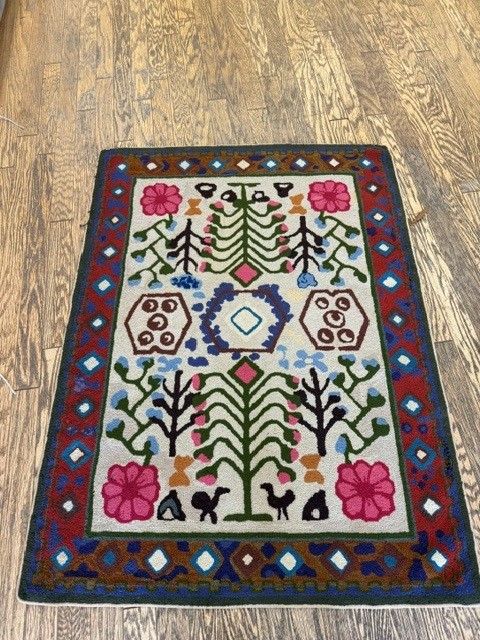
The Jafri Rugs Hooked Rug Reweaving (Re-Hooking) Process is a specialized restoration method for antique and vintage hooked rugs that have suffered from moth damage, holes, worn loops, or missing sections. Unlike hand-knotted rug reweaving, hooked rugs are repaired by recreating the original loops from the back of the rug to match the existing pattern and texture.

1. Inspection and Assessment

Each hooked rug is carefully evaluated to identify:

  • Moth damage
  • Missing or loose loops
  • Tears or holes
  • Dry or weakened backing
  • Color fading
  • Edge and binding damage

The restoration plan is tailored to the rug's construction and condition.

2. Professional Cleaning

Before repairs begin, the rug is thoroughly cleaned to remove embedded dirt, dust, and contaminants. Cleaning also exposes hidden damage that may not be visible before restoration.

3. Backing Stabilization

If the foundation has weakened over time:

  • Damaged backing is reinforced or replaced where necessary.
  • New backing is hand-stitched to maintain the rug's original tension and flexibility.
  • Loose sections are stabilized before re-hooking begins.

4. Hand Re-Hooking

This is the most detailed stage of the restoration.

Experienced artisans:

  • Match the original wool as closely as possible in fiber, texture, twist, and color.
  • Insert a rug hook through the backing.
  • Recreate each missing loop from the back of the rug.
  • Follow the original hooking direction.
  • Maintain consistent loop height for a seamless appearance.

For antique rugs, hand-dyed or undyed wool may be used to preserve authenticity.

5. Pattern Reconstruction

When decorative motifs have been lost:

  • Original floral, geometric, or medallion designs are carefully recreated.
  • Missing areas are rebuilt loop by loop.
  • Repairs are blended with the surrounding design to preserve the rug's original character.

6. Color Restoration

If the rug has faded:

  • Replacement yarn is matched to the existing colors.
  • When appropriate, vegetable or color-safe dyes are used to recreate the original tones.
  • Color blending is performed carefully to achieve a natural transition between restored and original areas.

7. Edge and Binding Repair

To prevent further deterioration:

  • Frayed edges are rebound or reinforced.
  • Corners are strengthened.
  • Binding materials are selected to match the original rug as closely as possible.

8. Final Grooming and Inspection

After restoration:

  • The repaired surface is groomed for a uniform appearance.
  • Loop height and texture are checked for consistency.
  • The rug is inspected to ensure structural stability, accurate color matching, and a seamless repair before being returned to the customer.

This hand re-hooking process is intended to preserve the craftsmanship and extend the life of hooked rugs by rebuilding damaged areas one loop at a time, while maintaining the rug's original design, texture, and structural integrity.

July 10, 2026 | Tivoli, NY

Jafri Rug restoration will do the following:

Jafri Rug Cleaning and Repair services is designed to safely clean handmade, antique, wool, silk, and other specialty rugs. The typical process includes:

  1. Inspection (Pre-Treatment) – Each rug is carefully inspected to determine its condition, fiber type, dyes, and any stains or damage. This helps identify the most appropriate cleaning method.
  2. Dust Removal – Specialized dusting equipment removes deeply embedded dust, grit, and allergens from the rug before washing. This is a critical step because dry soil can damage fibers if left in the rug during washing.
  3. Soaking – The rug is soaked to loosen dirt, pet stains, odors, and other contaminants. Heavily soiled rugs may require multiple soaks. Antique and silk rugs receive extra care.
  4. Hand Washing – Both sides of the rug are washed using vegetable-based soaps and specialized shampoos, followed by a thorough rinse to remove all cleaning residues.
  5. Luster Wash (when appropriate) – Some rugs receive an additional luster treatment to enhance brightness and restore appearance.
  6. Brushing/Grooming – The pile is brushed with grooming tools to align the fibers and restore the rug's natural texture.
  7. Controlled Drying – Rugs are dried naturally in a climate-controlled drying room to help prevent shrinkage, mildew, or fiber damage.
  8. Final Inspection – Each rug undergoes a final quality inspection. If necessary, cleaning steps are repeated to achieve the best possible result before the rug is returned to the customer.

June 20, 2026 | Tivoli, NY

1. Inspection

Examine the rug for:

  • Holes or worn areas
  • Broken warp threads (the lengthwise foundation threads)
  • Missing weft threads (the widthwise woven threads)
  • Frayed edges or ends
  • Color fading or fiber deterioration

2. Rug Cleaning and Dusting

  • Soak rug in tub of cold water and solution
  • Remove dirt trapped in damaged sections.
  • If heavily soiled, wash the rug appropriately and allow it to dry completely before repairs.

3. Stabilize the Rug

Secure the rug on a flat work surface or stretching frame.

  • Align distorted areas.
  • Straighten loose warp threads.
  • Prevent additional unraveling while working.

4. Repair the Foundation and Warp and Weft

If warp threads are broken:

  • Insert replacement warp yarns that closely match the original material (wool, cotton, or goat hair).
  • Anchor the new warps into sound surrounding structure.
  • Maintain the original spacing and tension.

This is often the most critical step because the entire weave depends on the warp foundation.

5. Reweave Missing Areas

For holes:

  • Match the original yarn type, thickness, and color as closely as possible.
  • Recreate the missing weft structure.
  • Follow the original pattern row by row.
  • Weave tightly enough to match surrounding density without causing puckering.

For valuable or antique kilims, restorers often hand-dye yarns to achieve accurate color matching.

6. Repair Binding

If side edges are frayed:

  • Rebuild the binding (finished edge).
  • Wrap and reinforce edge cords.
  • Stitch loose sections securely.

Strong edges help prevent future unraveling.

7. Repair Fringes

If the rug ends are damaged:

  • Secure loose wefts.
  • Recreate original end bindings.
  • Replace or reconstruct fringe if appropriate to the rug's design.

Sometimes conservation work leaves fringe incomplete intentionally to preserve authenticity.

8. Blend and Finish

After structural repairs:

  • Shear any excess yarn.
  • Adjust tension where necessary.
  • Lightly groom fibers to blend repaired sections with the original weaving

February 07, 2026 | Tivoli, NY

Given the age and value of the rug, this is a rug that
should not be sent to any rug store, but should go to Jafri Rug restoration as
the weavers are specifically skilled to repair these threadbare rugs and
understand the motifs and match the wool dye lot for dye lot. The artistry will
maintain the antiquity of the rug and will not make it look newly made and will
also raise the value of the rug.


Jafri Rug restoration will do the following:


1. Assessment and Inspection:


Condition Check: Inspect the rug thoroughly for signs of
wear, including fraying edges, missing or damaged knots, stains, or fading.
This is essential to assess the scope of restoration work needed.


Fabric Type: Identify the materials used (wool, silk, etc.)
to ensure the correct restoration techniques and materials are used.


Color Matching: Persian rugs often feature vibrant and
intricate color schemes. Color matching is important for any repairs to ensure
the restoration blends seamlessly with the original.


2. Cleaning:


Gentle Cleaning: Before restoration, the rug is cleaned to
remove dirt and stains. This is typically done by hand or machine using organic
olive oil shampoo foam to cleanse the rug and techniques that preserve the
integrity of the fibers.


Drying: After cleaning, the rug must be carefully dried to
prevent any damage or shrinkage.


3. Repairing Damaged Areas:


Reweaving/Knots: If there are missing or damaged knots, the
missing sections will be re-woven by hand. Skilled weavers use the same
knotting technique that was used in the original rug to ensure consistency.


Fringe Repair: If the fringe is damaged or missing, it can
be reattached or replaced using matching fibers.


Edge Repair: The rug’s edges may become frayed over time. A
repair may involve re-binding the edges to prevent further unraveling.


4. Color Restoration:


If the rug has areas with faded or discolored sections, dyes
matching the original colors may be applied to restore the vibrancy. This
requires careful attention to detail to blend the colors seamlessly.           

October 04, 2025 | Tivoli, NY

The second picture shows the post restoration work, and the artistry shows that this rug maintains its antiquity and does not look newly made, it looks as though it came off the loom circa 1900.

Jafri Rug restoration completely restored this rug by doing the following:


1. Inspection and Assessment


  • The first step in Jafri Rugs restoration is a detailed inspection to assess
    the extent of the damage. This includes evaluating areas of wear,
    unraveling threads, fading colors, and any holes or tears in the rug.
    Special attention is given to preserving the original design and integrity
    of the stitching.


2. Cleaning Before Restoration


  • Before any restoration work begins, the rug must be cleaned thoroughly. Cleaning ensures that any accumulated dirt or stains are removed so that the restoration work can be done on a clean surface. This also helps identify areas that may require special attention during the restoration process.


3. Reweaving Damaged Sections


  • Reweaving:
    If the rug has areas of missing or damaged stitches, skilled artisans can
    reweave the missing sections, matching the original patterns and colors as closely as possible. This requires a high level of expertise to ensure the
    new stitches blend seamlessly with the rest of the rug.


4. Fringe and Edge Repair


  • The fringe of a rug is often subjected to wear over time. If the fringe is
    frayed or missing, it can be reattached or replaced by hand, ensuring that
    it matches the original design and material.

  • The edges of the rug may also need reinforcing or re-binding if they have
    started to unravel. This can be done by re-stitching or using a similar
    material to secure the edges.


5. Dyeing and Color Restoration


  • Color
    Fading:
     Over time, the dyes in a Turkish Sumac rug may fade due to
    exposure to sunlight, wear, or improper cleaning. Skilled restoration
    experts can re-dye the affected areas using professional, colorfast dyes
    to restore the rug’s original hues.

  • Matching
    Colors:
     When dyeing a rug, it’s critical to match the colors exactly
    to ensure that the restoration is seamless. This process is usually done
    by hand to ensure accuracy.


6. Final Inspection


  • Once all the restoration work is completed, a final inspection is conducted to ensure the rug is restored to its original condition. The rug is checked for any missed areas, color inconsistencies, or stitching issues that may need to be addressed before it’s returned.

February 08, 2025 | Tivoli, NY

Jafri Rug restoration did the following: 1. Assessment Condition Check: Inspect for damage such as wear, holes, and fraying at edges and corners. Age & Materials: Determined the rug's age and materials (typically wool) to guide restoration. 2. Cleaning Vacuuming: Gently vacuum the rug to remove dust, using low suction. Washing: Professionally wash if needed, or use a mild, pH-balanced wool cleaner. Stain Removal: Treat stains with wool-safe cleaners; consult a professional for stubborn stains. 3. Repairs Weaving: Reweave missing areas with matching wool, replicating the original pattern. Edges: Reinforce or reweave frayed edges to prevent further damage. Hole Repair: Patch holes with yarn matched to the original design. 4. Color Restoration Fading: Restore faded areas using matching dyes. Preferably, use natural dyes to maintain authenticity. 5. Fringe Restoration Fringe Repair: Reattach or replace damaged fringes with matching yarn. 6. Professional Expertise Consult experienced restorers, especially for valuable or intricate rugs. 7. Storage & Maintenance Storage: Store flat in a cool, dry place, avoiding tight rolls or direct sunlight. Maintenance: Regular vacuuming and spot cleaning to preserve condition. Professional restoration ensures the rug maintains its aesthetic and historical value while extending its lifespan.

December 17, 2024 | Tivoli, NY

Jafri Rugs not only cleaned the rug but brought back the vitality of the rug and increased the overall value of the rug. Jafri Rugs antique weavers repaired the rug to its original state and restored a century old rug. The rug required spot treatment and binding and fringe restoration. The rug additionally required reweaving into the field of the rug which was all done by hand. All repair work is done by hand.

July 23, 2024 | Tivoli, NY

Jafri Rugs not only cleaned the rug but brought back the vitality of the rug and increased the overall value of the rug. Jafri Rugs antique weavers repaired the rug to its original state and restored a century old rug. The rug required spot treatment and binding and fringe restoration. The rug additionally required reweaving into the field of the rug which was all done by hand. All repair work is done by hand.

June 20, 2024 | Tivoli, NY

January 24, 2024 | Tivoli, NY

Jafri Rugs not only cleaned the rug but brought back the vitality of the rug and increased the overall value of the rug. Jafri Rugs antique weavers repaired the rug to its original state and restored a century old rug. The rug required spot treatment and binding and fringe restoration. The rug additionally required reweaving into the field of the rug which was all done by hand. All repair work is done by hand.

Before and After Job Photos Tivoli

See All

July 11, 2025 | Glasco, NY

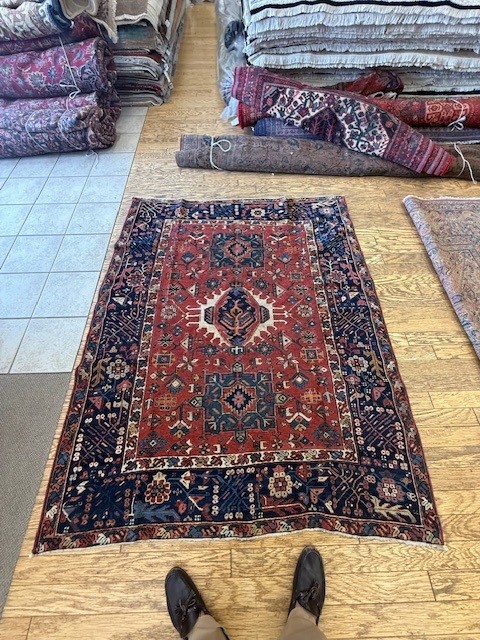
The first image shows how this rug has been left in a very poor condition. The rug is an example of an antique Persian circa 1900 rug. This rug requires enormous attention to the following areas:

-Reweaving worn areas where warp and weft is showing

-Refringing as the fringe is torn off

-Rebinding as the binding is unraveling

-Vegetable dyes are fading

-Field of the rug is also showing unevenness in the wool pile

July 24, 2025 | Saugerties, NY

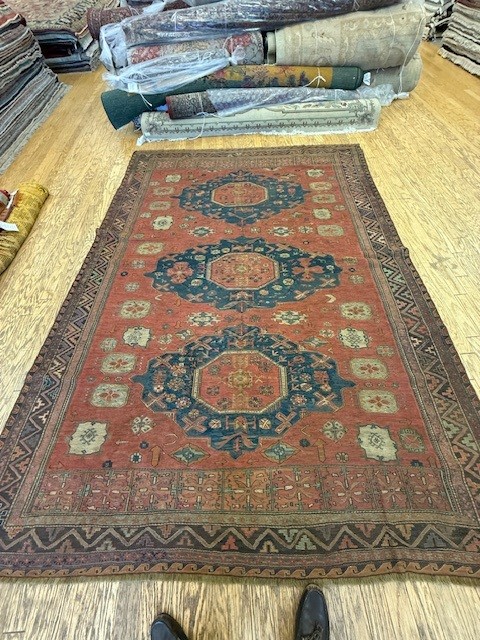
A Caucausian sumac of this quality is threadbare and quite valuable. The rug in its former condition was destroyed and there were remnants of the original medallions throughout the field and borders. This rug was from the 1800's and is over 200 years old. The fringe and binding was tearing apart and the field was also worn.

The first image shows the rug in very poor condition with fringe and binding work required as it was fraying. The second image shows how this Persian Sumac rug has been restored to its original condition with fringe and binding that comports to the design and era such as adding tea stained fringe implants to the rug as that was the proper fringe that was of that 19th century period. Additionally Jafri Rug restoration sheared this rug to even out the wool on the pile of the rug and added binding that prevents the wool from unraveling any further into the field of the rug and Jafri Rug restoration did the following work:

-Reweaving worn areas where warp and weft is showing

-Refringing as the fringe is torn off

-Rebinding as the binding is unraveling

-Vegetable dyes are fading

-Field of the rug is also showing unevenness in the wool pile

Given the age and value of the rug, this is a rug that should not be sent to any rug store, but should go to Jafri Rug restoration as the weavers are specifically skilled to repair these threadbare rugs and understand the motifs and match the wool dye lot for dye lot. The artistry will maintain the antiquity of the rug and will not make it look newly made and will also raise the value of the rug.

Jafri Rug restoration fixed the rug by doing the following:

1. Assessment and Inspection:

Condition Check: Inspect the rug thoroughly for signs of wear, including fraying edges, missing or damaged knots, stains, or fading. This is essential to assess the scope of restoration work needed.

Fabric Type: Identify the materials used (wool, silk, etc.) to ensure the correct restoration techniques and materials are used.

Color Matching: Persian rugs often feature vibrant and intricate color schemes. Color matching is important for any repairs to ensure the restoration blends seamlessly with the original.

2. Cleaning:

Gentle Cleaning: Before restoration, the rug is cleaned to remove dirt and stains. This is typically done by hand or machine using organic olive oil shampoo foam to cleanse the rug and techniques that preserve the integrity of the fibers.

Drying: After cleaning, the rug must be carefully dried to prevent any damage or shrinkage.

3. Repairing Damaged Areas:

Reweaving/Knots: If there are missing or damaged knots, the missing sections will be re-woven by hand. Skilled weavers use the same knotting technique that was used in the original rug to ensure consistency.

Fringe Repair: If the fringe is damaged or missing, it can be reattached or replaced using matching fibers.

Edge Repair: The rug’s edges may become frayed over time. A repair may involve re-binding the edges to prevent further unraveling.

4. Color Restoration:

If the rug has areas with faded or discolored sections, dyes matching the original colors may be applied to restore the vibrancy. This requires careful attention to detail to blend the colors seamlessly.

Reviews From Our Customers
Call Us For Your Free Pickup & Delivery Today!
518-201-1191
Arrow