
Mr Jafri is a pleasure to do business with. His workers have cleaned and repaired several of my rugs. The quality of work was excellent, and it was completely in a timely manner.
Oriental & Area Rug Cleaning and Repair in Lebanon
We serve customers in New York, Connecticut, Vermont & Massachusetts.
For 42 years, Jafri Oriental Rugs has been recognized as the provider of the best and most comprehensive area rug cleaning & protection services in Lebanon and throughout New York, Massachusetts, Vermont & Connecticut& areas that we serve. Our IICRC-certified technicians use cutting-edge technology, time-tested cleaning methods, pet-safe cleaning products, and eco-friendly protection processes for your Oriental rugs and other fine textiles.
20% Sale on Rug Cleaning and Repair
All pricing estimates include the 20% discount automatically
Among the primary services we provide for customers in Lebanon include:
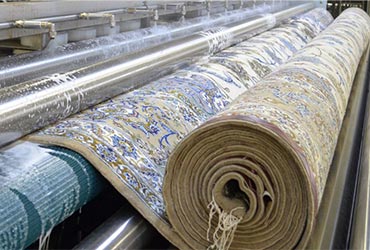
Rug Cleaning
Our crews clean all types of area rugs, removing tough stains from fine word rug.
Rug Cleaning Process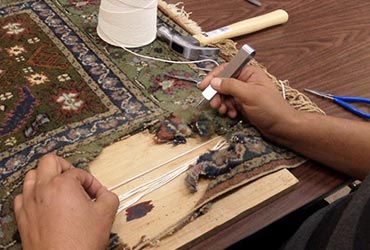
Rug Repair
We perform fringe repair, color correction, binding repair & rug restoration services.
About Rug Repair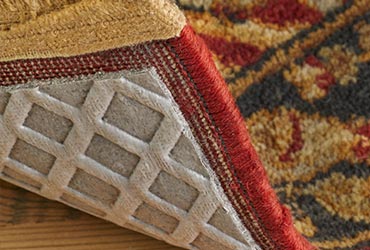
Rug Pads
We offer custom-sized rug pads to enhance and protect your heirloom & antique rugs.
About Rug Pads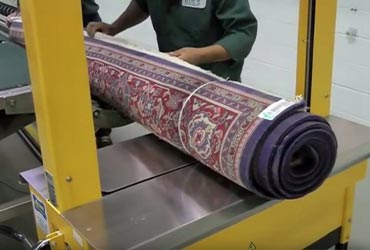
Free Pick-up & Delivery
For cleaning, repair, and other services, we pick up and return your rug at no charge.
Contact UsFrom cleaning & maintenance to protection & storage, we can handle all aspects of your rug-related needs in the Greater Albany area. Your fine textiles will be safe, secure, clean, and protected from all perils while in the hands of our IICRC-certified specialists. We treat each rug with the individual care and custom cleaning and protection services required for each type of rug fiber:& wool, cotton, jute, silk, sisal, polyester, nylon, acrylic, and more. When you need our help, give us a call at 518-201-1191 today!
Types of Rugs We Clean in Lebanon
We clean a wide variety of rugs for customers in Lebanon.
The list includes:
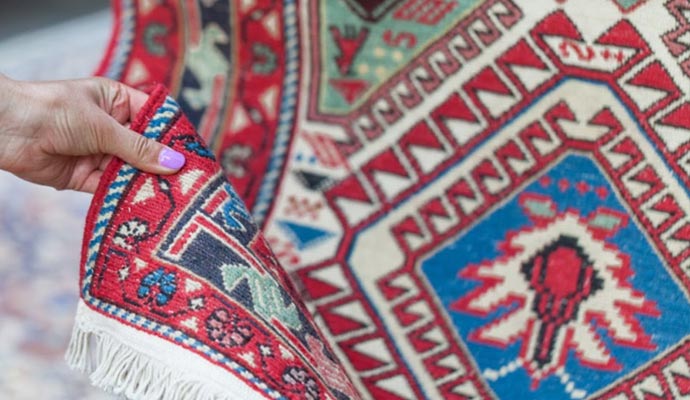
Our Rug Cleaning Process in Lebanon
When it is time to clean your Oriental or area rug in Lebanon, our step-by-step process includes:
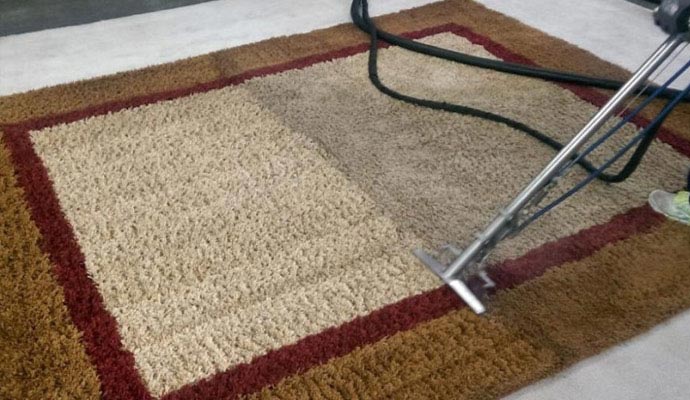
-
Consultation: We meet with you to inspect your rug and determine the best possible eco-friendly cleaning method.
-
Dusting: Because rugs are designed to hide dirt, we remove deep-seated dust and dirt with our unique dusting approach.
-
Preconditioning Treatment: We customize a special treatment for each rug to assure the safest, most eco-friendly cleaning options are used.
-
Spot & Fringe Prep: We identify and treat visible spots & stains while preparing the rug fringe for treatment.
-
Shampoo: Using an ideal rug shampooing treatment designed for your rug, we clean thoroughly while maintaining the integrity of delicate fibers.
-
Rinse: We remove all excess dirt and soap from the rug carefully and safely.
Once the rug is dry, it is returned to the customer.
Trust Us to Clean & Protect Your Oriental Rug in Lebanon
To get the best available rug cleaning, rug maintenance, rug protection, and rug storage services for customers in Lebanon and throughout Upstate New York, you need to contact the proven professionals from Jafri Oriental Rugs. For the past four decades, we have handled all aspects of your rug-related needs when it comes to cleaning, repairing and restoring fine textiles in Lebanon. To learn more about our services, give us a call at 518-201-1191 or click here to make an appointment today!
Our customers love us!
See All 46 Reviews
Customer Reviews from Lebanon and Surrounding Areas
( 5
from 12 reviews )
Happy Customers across Lebanon and Surrounding Areas
Completed Jobs from Lebanon and Surrounding Areas
See All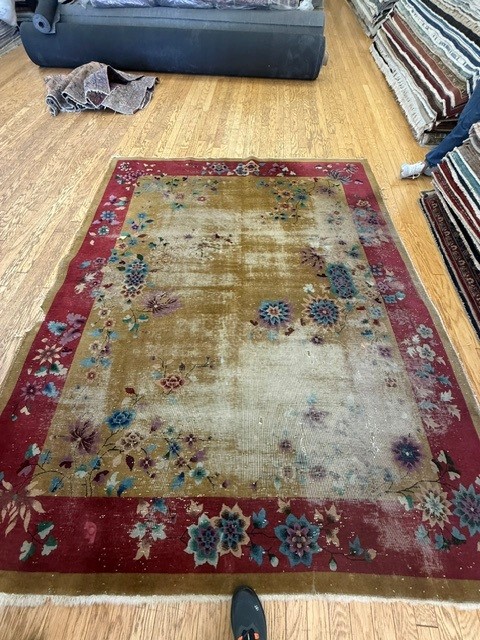
October 24, 2026 | New Lebanon, NY
Our Art Deco rug cleaning services may include:
Removal of embedded dry soil and dust
Treatment of common spots and stains, where appropriate
Cleaning methods selected for the rug's fibers and construction
Careful rinsing to remove cleaning residues
Controlled drying and grooming
Final inspection for cleanliness and condition
Our goal is to clean your Art Deco rug while taking appropriate care to protect its colors, texture, and decorative details.
Vintage and Antique Art Deco Rug Care
Older Art Deco rugs may have fragile foundations, worn pile, weakened edges, or colors that require special attention. Aggressive cleaning can put delicate fibers and existing repairs at risk.
Jafri Oriental Rugs assesses vintage and antique rugs before cleaning to help determine the safest practical approach. Depending on the rug's condition, we may recommend specialized cleaning, minor repairs before washing, or additional restoration work.
Because every rug ages differently, cleaning results depend on its materials, previous care, color stability, and existing damage.
Art Deco Rug Stain and Odor Treatment
Spills, everyday foot traffic, pet accidents, and accumulated soil can affect the appearance and freshness of an Art Deco rug. Some stains may also damage fibers or cause dye changes if they are treated incorrectly.
Professional assessment can help identify suitable treatment options for common stains and odors. Results depend on the type of contaminant, how long it has been present, the rug's fibers, and any previous cleaning attempts.
For delicate, vintage, or antique Art Deco rugs, avoid harsh household chemicals or aggressive scrubbing before seeking professional advice.
Art Deco Rug Repair and Restoration
Cleaning alone cannot correct structural damage. If your Art Deco rug has fraying edges, missing fringe, worn areas, or damaged foundation threads, repair may help stabilize the rug and extend its useful life.
Jafri Oriental Rugs offers rug repair services based on the needs and construction of each piece.
Art Deco Rug Fringe and Edge Repair
Fringe loss and unraveling edges can leave a rug vulnerable to further damage. Appropriate fringe repair, edge binding, or overcasting may help secure these areas and prevent additional unraveling.
Art Deco Rug Reweaving
Rugs with holes, localized pile loss, or damaged foundation threads may require reweaving. The repair method depends on the rug's weave, fiber type, pattern, and extent of damage. Where feasible, reweaving can help reinforce weakened areas and improve the rug's overall appearance.
Worn and Damaged Art Deco Rugs
Heavy traffic, furniture placement, age, and previous damage can contribute to worn pile and weakened sections. We evaluate these areas to determine whether localized repair, reweaving, or another restoration method is appropriate.
The appearance of a completed repair will depend on the availability of suitable materials and the condition of the original rug.
Our Art Deco Rug Cleaning and Repair Process
Every rug is different, so we tailor our recommendations to its specific needs.
Inspection: Assess the rug's fibers, construction, colors, stains, and existing damage.
Cleaning assessment: Determine an appropriate cleaning method and identify areas that may need special attention.
Soil and stain treatment: Address dry soil and treat stains where suitable for the rug.
Professional cleaning: Clean using methods selected for the rug's materials and condition.
Rinsing and drying: Remove cleaning residues as appropriate and manage the drying process carefully.
Repair and restoration: Complete agreed-upon fringe, edge, or reweaving repairs when needed.
Final inspection: Review the rug's condition and the completed cleaning or repair work.
Why Choose Jafri Oriental Rugs?
Art Deco rugs combine decorative design with a wide variety of materials and construction methods. Choosing a rug specialist who understands these differences is important when arranging cleaning or repair.
At Jafri Oriental Rugs, we focus on:
Individual assessment of each rug
Cleaning recommendations based on fiber and construction
Careful consideration of vintage and antique pieces
Repair options for fringe, edges, holes, and worn areas
Guidance on maintaining the appearance and condition of your rug
Convenient service from our Albany, New York location
Whether your rug needs routine cleaning, attention to a stain, or repair for worn edges, we can help you explore suitable options.
Art Deco Rug Cleaning and Repair in Albany, NY
If you are searching for Art Deco rug cleaning and repair in Albany, NY, Jafri Oriental Rugs serves customers throughout the Capital Region, Upstate New York, and the Hudson Valley.
Contact us to discuss your rug's condition, arrange an assessment, and learn which cleaning or repair services may be appropriate.
Jafri Oriental Rugs
116 Wolf Road
Albany, NY 12205
Phone: 518-750-6282
Website: https://www.jafrirugs.com/
Protect the beauty of your Art Deco rug with professional cleaning
September 04, 2026 | New Lebanon, NY
1. Inspection & Evaluation
Before cleaning, each rug is carefully inspected for stains, fading, loose threads, worn areas, fringe damage, moth damage, water damage, and other structural concerns.
The rug's fiber type, dyes, construction, age, and condition help determine the appropriate cleaning process.
2. Deep Dust Removal
Dust, dirt, grit, and other dry soil are removed before washing. This important step helps reduce abrasive particles that can contribute to fiber wear.
3. Pre-Treatment & Soaking
Depending on the rug's condition, specialized pre-treatment and soaking may be used to loosen embedded soil, stains, pet contamination, and odors.
Antique and delicate rugs receive additional care during this stage.
4. Specialized Rug Washing
Jafri's professional rug-cleaning process includes washing both sides of rugs using specialized soaps and shampoos, followed by thorough rinsing. The process is adjusted according to each rug's materials and construction.
5. Grooming & Finishing
After cleaning, the rug can be carefully groomed to help restore the appearance and texture of the fibers.
6. Controlled Drying
Proper drying is an important part of professional rug cleaning. Jafri uses controlled drying procedures designed to help protect rugs from moisture-related problems and unnecessary fiber damage.
7. Final Inspection
Every rug receives a final inspection after cleaning. If additional treatment is necessary, further cleaning or restoration can be recommended.
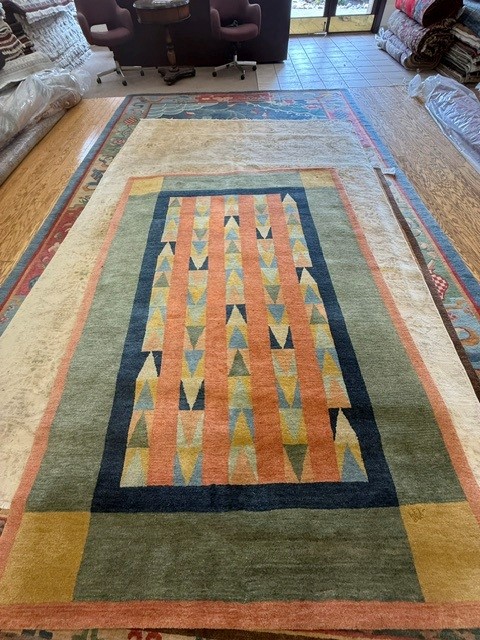
Tibetan Rug Repair & Restoration
Tibetan rugs can develop holes, tears, worn areas, damaged fringe, loose edges, and weakened foundations through years of use.
Jafri Rugs provides professional Tibetan rug repair and restoration, including:
- Tibetan rug reweaving
- Hole and tear repair
- Foundation repair
- Fringe repair and replacement
- Edge and binding repair
- Moth damage repair
- Worn-area restoration
- Structural stabilization
- Color correction
- Antique rug restoration
Tibetan Rug Reweaving
When a Tibetan rug has a hole or severely worn section, hand reweaving may be used to reconstruct the damaged area.
The repair process can involve matching the original fibers, colors, weave, and pattern as closely as possible while rebuilding the damaged section by hand.
The objective is to create a strong, natural-looking repair while preserving the character and craftsmanship of the original rug.
Tibetan Rug Fringe Repair
Fringe can become worn, pulled, frayed, or completely detached over time. Because fringe may be connected to the rug's foundation, damaged fringe should be addressed before unraveling progresses into the body of the rug.
Jafri provides fringe repair and replacement, along with edge and binding restoration, to help stabilize the rug and protect its foundation.
Tibetan Rug Foundation & Edge Repair
The foundation of a handmade rug provides much of its structural strength. Damaged warp, weft, edges, or binding can cause a rug to weaken or lose its shape.
Professional restoration can stabilize these areas and, when appropriate, reconstruct damaged sections using materials selected to complement the original rug.
Antique Tibetan Rug Restoration
Antique Tibetan rugs require particularly careful handling because age can make their fibers and foundation more fragile.
Jafri Rugs specializes in cleaning and restoring handmade, antique, wool, silk, and other specialty rugs, with the treatment selected according to the condition of each individual piece.
The goal of antique rug restoration is not simply to make an old rug look new. Proper restoration should preserve its original craftsmanship, character, and historical appearance.
Tibetan Rug Moth & Water Damage Repair
Moths can damage wool fibers and create holes or weakened areas throughout a rug. Water and flood damage can also affect fibers, dyes, and the rug's foundation.
Jafri's rug-cleaning process specifically provides additional care for moth-eaten and water-damaged rugs, making professional evaluation an important first step when a Tibetan rug has experienced significant damage.
Why Choose Jafri Rugs for Tibetan Rug Cleaning & Repair?
Jafri Rugs has more than four decades of experience in rug sales, cleaning, and restoration and specializes in handmade Oriental rugs. The company imports handmade rugs from Tibet as well as Iran, Pakistan, Turkey, India, China, and Nepal.
Customers choose Jafri Rugs for:
- Professional Tibetan rug cleaning
- Handmade rug expertise
- Wool and silk rug cleaning
- Antique rug care
- Tibetan rug reweaving
- Fringe and binding repair
- Foundation restoration
- Moth damage repair
- Water damage cleaning
- Comprehensive rug restoration
Jafri also provides free pickup and delivery in its service areas, making professional rug care more convenient for customers with large or valuable rugs.
Preserve Your Tibetan Rug
Regular professional cleaning can help remove abrasive dirt before it contributes to unnecessary fiber wear. Addressing loose fringe, damaged edges, holes, and weakened foundations early can also help prevent further deterioration.
With proper Tibetan rug cleaning, repair, and restoration, a handmade rug can continue to provide beauty and function for many years.
Professional Tibetan Rug Cleaning & Repair Near You
If you're searching for Tibetan rug cleaning near me, Tibetan rug repair, Tibetan rug restoration, Tibetan rug reweaving, Tibetan wool rug cleaning, Tibetan silk rug cleaning, or antique Tibetan rug restoration, Jafri Rugs provides specialized care for handmade and specialty rugs.
Contact Jafri Rugs today to schedule a professional evaluation of your Tibetan rug and learn which cleaning or restoration service is right for your piece.
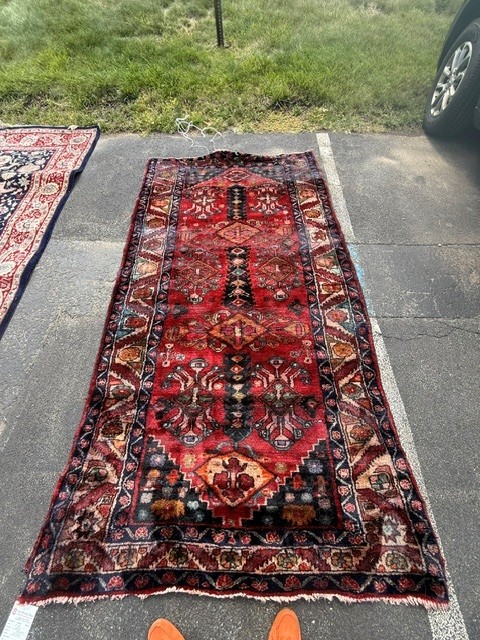
August 01, 2026 | New Lebanon, NY
This rug requires the following work
When a Persian or Oriental rug has been exposed to flooding, rapid professional treatment is essential to prevent permanent damage from mold, mildew, dye migration, odors, and fiber deterioration. At Jafri Oriental Rugs, the flood damage cleaning and restoration process is designed to safely restore handmade rugs while preserving their craftsmanship and value.
1. Emergency Assessment
Each flood-damaged rug is carefully inspected to determine:
- Source of the water (clean water, gray water, or contaminated floodwater)
- Extent of water saturation
- Fiber type (wool, silk, cotton, or synthetic)
- Dye stability
- Mold or mildew growth
- Structural damage to the foundation
This evaluation helps determine the safest restoration approach.
2. Immediate Water Extraction
Standing water is removed as quickly as possible using professional extraction equipment to minimize:
- Mold and mildew growth
- Fiber weakening
- Dye bleeding
- Delamination and foundation damage
Prompt extraction is critical, especially for handmade rugs.
3. Dust and Debris Removal
Floodwater often leaves behind:
- Mud
- Sand
- Silt
- Organic debris
- Bacteria and contaminants
The rug is thoroughly cleaned to remove these materials before the washing process begins.
4. Specialized Hand Washing
Each rug is hand washed using fiber-safe, pH-balanced cleaning solutions appropriate for Persian and Oriental rugs. Depending on the contamination level, technicians may perform multiple washes to remove:
- Dirt and sediment
- Flood residue
- Bacteria
- Odors
- Organic contaminants
Hand washing helps protect delicate wool, silk, and natural dyes while achieving a deep clean.
5. Odor and Sanitization Treatment
Flood-damaged rugs may require specialized treatments to eliminate:
- Musty odors
- Mold spores
- Mildew
- Bacterial contamination
Professional deodorizing and sanitizing treatments help restore freshness without damaging delicate fibers.
6. Controlled Drying
After washing:
- Excess water is extracted.
- Rugs are dried in a climate-controlled environment with proper airflow and humidity control.
- Moisture levels are monitored throughout the drying process.
Controlled drying helps prevent:
- Mold growth
- Shrinkage
- Dye migration
- Fiber distortion
7. Restoration and Repairs
If flooding has caused structural damage, restoration may include:
- Fringe repair or replacement
- Edge binding repair
- Reweaving damaged areas
- Foundation stabilization
- Color correction where possible
These repairs help restore both the appearance and integrity of the rug.
8. Final Inspection
Before the rug is returned, technicians perform a comprehensive quality inspection to verify:
- Complete cleaning
- Odor removal
- Proper drying
- Structural stability
- Color consistency
- Overall restoration quality
Why Immediate Action Matters
Flood damage can permanently affect a handmade rug if left untreated. Prompt professional cleaning can:
- Reduce the risk of mold and mildew.
- Prevent permanent staining and dye bleeding.
- Remove contaminants and odors.
- Preserve the rug's structure and appearance.
- Extend the life of valuable Persian and Oriental rugs.
For the best chance of successful restoration, flood-damaged rugs should be professionally cleaned and dried as soon as possible after water exposure.

June 24, 2026 | New Lebanon, NY
Prior to cleaning the rug, Jafri Rugs does the following:
- Measure Rug size (e.g., 5×8, 8×10, runner)
- Confirm approximate age of the rug to confirm overall value of the rug
- Determine whether the rug has stains, pet odors, or fringe damage
1. Pre-Inspection
The rug is examined for:
- Fiber type (wool, cotton, mixed materials)
- Dye stability and colorfastness
- Stains, odors, pet contamination, or mold
- Existing damage such as worn areas, holes, or fringe issues
2. Dust Removal
Before any water is used, technicians remove embedded dry soil, sand, and grit.
- Commercial dusting equipment, compressed air, or vibration systems will be used to suck out all the toxins
- This step is critical because dry soil can damage fibers during washing.
3. Pre-Treatment
Specific stains and heavily soiled areas are treated.
- Pet urine, food stains, and odor sources receive targeted treatment.
- Cleaning agents are selected to be safe for wool and natural dyes.
4. Dye Testing
Jafri technicians test colors to ensure dyes won't bleed during washing.
- Handmade
- rugs often contain natural or vegetable dyes that require special care.
5. Full Immersion or Controlled Washing
The rug is washed using water and wool-safe cleaning solutions.
- Gentle agitation loosens dirt from deep within the pile.
- Harsh chemicals, bleach, and excessive heat are avoided.
- The washing method varies depending on the rug's construction and condition.
6. Thorough Rinsing
The rug is rinsed multiple times to remove:
- Soil and contaminants
- Cleaning residues
- Odors and allergens
Proper rinsing helps prevent residue buildup that can attract dirt later.
7. Water Extraction
Excess moisture is removed using specialized equipment.
- Centrifugal extractors or controlled wringing systems may be used.
- This reduces drying time and helps prevent mildew.
8. Controlled Drying
The rug is dried in a temperature-controlled environment.
- Air movers and dehumidifiers may be used.
- Direct heat and prolonged sun exposure are generally avoided to protect fibers and dyes.
9. Grooming and Finishing
After drying:
- The pile is brushed or groomed.
- Fringe is cleaned and straightened.
- Final touch-ups and inspections are performed.
10. Final Inspection
The cleaner verifies:
- Stains and odors have been addressed
- Colors remain stable
- The rug is fully dry
- No damage occurred during cleaning
Typical Rug Cleaning Frequency
- Every 1–3 years for most Persian rugs.
- More often if the rug is in a high-traffic area, has pets, or experiences frequent spills.
For valuable handmade Persian rugs (such as a Sarouk, Kashan, Mashad, Khoum, and Tabriz), Jafri Rugs always recommends specialty immersion rug cleaning over standard in-home carpet cleaning because it removes embedded soil while minimizing risk to the wool and dyes.

April 25, 2026 | New Lebanon, NY
Jafri Rug restoration will fix this rug entirely and raise the value of the rug by doing the following:
1.Inspection and Identification: Jafri Rugs carefully inspected to assess the extent of the moth damage. This involves checking the front and back of the rug for signs of infestation.
· Moth Treatment: The rug would be treated to eliminate any remaining moths and eggs. This usually involves a deep fumigation process using eco-friendly chemicals or freezing the rug to kill any pests.
· Re-weaving or Repairing Damaged Areas: The affected areas would likely require Jafri’s weavers reweaving the entire field. The damaged wool would be carefully removed, and new wool fibers, typically dyed to match the original, would be woven into the affected areas to restore the rug's appearance.
2. Worn and Faded Areas of the rug
As an example the medallion is a central feature in Persian rugs, and significant wear or fading can take away from the rug’s beauty and value.
· Color Restoration: To restore the faded vegetable and chrome dyes, Jafri’s first class weavers dyeing techniques may be employed. This could involve carefully re-dyeing the area using natural dyes or color-safe synthetic dyes. This process is done with precision to match the original hues and avoid dye bleeding.
· Reweaving/Restoration: If the medallion’s pattern is worn down to the point of damage, Jafri’s weavers had to reweave the intricate design. This involves painstakingly replicating the original design and colors.
3. Fringe and Binding Unraveling
The fringe and the binding are crucial for maintaining the structural integrity and aesthetic of the rug.
· Fringe Repair or Replacement: The unraveling fringe would need to be reattached or replaced, depending on the extent of the damage. Jafri’s weavers often restore the fringe by knotting it back into place using similar fibers (wool or silk, depending on the rug’s original material). If the fringe is too damaged, it might need to be completely replaced.
· Binding Reinforcement: The edges and binding would also be repaired. This could involve stitching new binding material (usually wool or cotton) onto the rug’s edges, followed by a careful reinforcement of the stitching to prevent further unraveling. A careful color match is essential to keep the aesthetic intact.
4. Wool Pilling
Pilling happens when fibers get tangled and form small balls of fuzz, which can occur naturally over time with wool rugs.
· Shaving the Rug: Pilling can be removed through a careful process of shaving. Special tools or razors designed for rugs are used to gently remove the pill without damaging the fibers underneath. The professional would carefully go over the rug to ensure the pilling is removed evenly, leaving the wool in good condition.
· Deep Cleaning: After shaving off the pilling, the rug would undergo a deep cleaning to remove any remaining loose fibers and dirt. This would also help restore the softness of the wool.
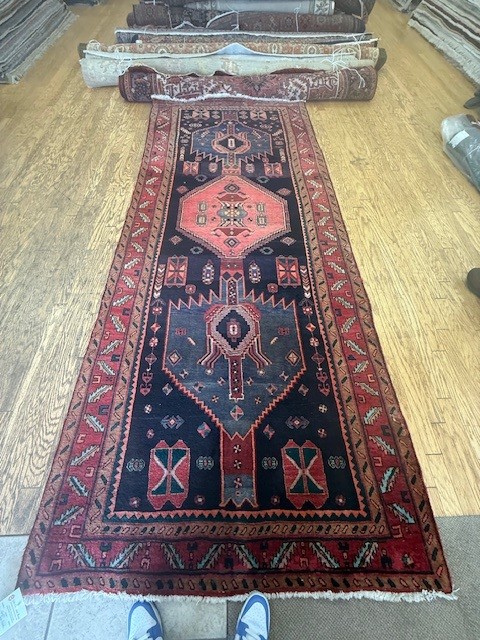
April 25, 2026 | Lebanon Springs, NY
Jafri Rug restoration will fix this rug entirely and raise the value of the rug by doing the following:
1.Inspection and Identification: Jafri Rugs carefully inspected to assess the extent of the moth damage. This involves checking the front and back of the rug for signs of infestation.
· Moth Treatment: The rug would be treated to eliminate any remaining moths and eggs. This usually involves a deep fumigation process using eco-friendly chemicals or freezing the rug to kill any pests.
· Re-weaving or Repairing Damaged Areas: The affected areas would likely require Jafri’s weavers reweaving the entire field. The damaged wool would be carefully removed, and new wool fibers, typically dyed to match the original, would be woven into the affected areas to restore the rug's appearance.
2. Worn and Faded Areas of the rug
As an example the medallion is a central feature in Persian rugs, and significant wear or fading can take away from the rug’s beauty and value.
· Color Restoration: To restore the faded vegetable and chrome dyes, Jafri’s first class weavers dyeing techniques may be employed. This could involve carefully re-dyeing the area using natural dyes or color-safe synthetic dyes. This process is done with precision to match the original hues and avoid dye bleeding.
· Reweaving/Restoration: If the medallion’s pattern is worn down to the point of damage, Jafri’s weavers had to reweave the intricate design. This involves painstakingly replicating the original design and colors.
3. Fringe and Binding Unraveling
The fringe and the binding are crucial for maintaining the structural integrity and aesthetic of the rug.
· Fringe Repair or Replacement: The unraveling fringe would need to be reattached or replaced, depending on the extent of the damage. Jafri’s weavers often restore the fringe by knotting it back into place using similar fibers (wool or silk, depending on the rug’s original material). If the fringe is too damaged, it might need to be completely replaced.
· Binding Reinforcement: The edges and binding would also be repaired. This could involve stitching new binding material (usually wool or cotton) onto the rug’s edges, followed by a careful reinforcement of the stitching to prevent further unraveling. A careful color match is essential to keep the aesthetic intact.
4. Wool Pilling
Pilling happens when fibers get tangled and form small balls of fuzz, which can occur naturally over time with wool rugs.
· Shaving the Rug: Pilling can be removed through a careful process of shaving. Special tools or razors designed for rugs are used to gently remove the pill without damaging the fibers underneath. The professional would carefully go over the rug to ensure the pilling is removed evenly, leaving the wool in good condition.
· Deep Cleaning: After shaving off the pilling, the rug would undergo a deep cleaning to remove any remaining loose fibers and dirt. This would also help restore the softness of the wool.

September 29, 2025 | Lebanon Springs, NY
Pre-Repair Cleaning
- A deep cleaning is performed before repairs to remove dirt, oils, and debris that interfere with repair work.
- Includes:
- Dusting (front and back)
- Gentle hand washing with pH-neutral detergents so as not to erode the fibers of the rug
- Rinsing and drying in a temperature-controlled environment
Structural Repairs
These are the most critical to maintain rug integrity:
a. Edge Repair (Overcasting or Binding)
- Rewrap or rebind fraying edges to prevent unraveling.
- Uses matching wool or cotton thread.
- Restores tension and keeps the weft and warp from separating.
b. Fringe Repair or Replacement
- Stabilizes or reconstructs the fringe (often the warp threads).
- May involve:
- Tying off loose fringe
- Sewing in new fringe sections
- Weaving new fringes into the foundation
c. Hole or Tear Repair
- Small holes: patched and reinforced from the back.
- Larger holes or tears: require reweaving the foundation (warp and weft), then tying new knots to match the original pattern.
4. Pile Reweaving / Pattern Reconstruction
- Rebuilds worn or missing areas by hand-knotting new wool or silk into the structure.
- Requires:
- Color-matching wool (often hand-dyed)
- Matching the knot density, knot type (Turkish or Persian), and pattern
- Done by experienced weavers to ensure seamless blending with the original design.
5. Color Restoration
- In areas where colors have faded or bled, restorers may:
- Touch up color with textile-safe dyes where there is already wool shown in the pile but requires blending of color for consistency in the rug’s colors
- Avoid painting, which can damage fibers over time
6. Shearing & Grooming
- After repairs, the pile is carefully sheared to match surrounding areas.
- Helps ensure a consistent pile height and finish.
- Brushing aligns the nap and improves visual consistency.
7. Blocking & Reshaping
- If the rug is warped or misshapen:
- It’s dampened and laid flat under weight or pinned.
- Dried under tension to restore its original shape and prevent buckling.
8. Final Cleaning & Inspection
- A final surface clean removes any dust or fibers from the repair.
- Inspection ensures:
- Seamless repairs
- Color and texture matches
- Edges are secure and the rug lies flat

January 09, 2025 | West Lebanon, NY
Why Immediate Cleaning Is Critical for a Turkish Kilim rug:
Given the age and historical value of a Kilim, delaying proper restoration can lead to irreversible damage and can diminish the value of the rug. Dirt, oils, and environmental factors over the centuries can cause fibers to deteriorate, colors to fade, and the overall structure to weaken. Immediate, specialized cleaning ensures that the rug’s lifespan is extended while preserving its cultural and monetary value. It also helps to prevent further degradation, which could decrease the rug's beauty and historical significance.

May 29, 2024 | New Lebanon, NY
Jafri Rugs not only cleaned the rug but brought back the vitality of the rug and increased the overall value of the rug. Jafri Rugs antique weavers repaired the rug to its original state and restored a century old rug. The rug required spot treatment and binding and fringe restoration.
The rug additionally required reweaving into the field of the rug which was all done by hand.
All repair work is done by hand.

May 28, 2024 | New Lebanon, NY
Jafri Rugs not only cleaned the rug but brought back the vitality of the rug and increased the overall value of the rug. Jafri Rugs antique weavers repaired the rug to its original state and restored a century old rug. The rug required spot treatment and binding and fringe restoration.
The rug additionally required reweaving into the field of the rug which was all done by hand.
All repair work is done by hand.
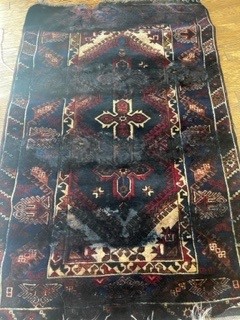
February 07, 2024 | Harriman, NY
This is an example of the damage that Jafri Oriental Rugs will fix and restore. Our services are available in Harriman, NY and we do free pick up and delivery.
This rug was filled with heavy ash and soot and required enormous cleaning and repair to the field.
Jafri Rugs will do the following:
-Fix all the fringe and binding
-Reweave the field to match the original design while maintaining the antiquity of the rug
-All work is done by hand

July 12, 2024 | Blooming Grove, NY
Before and After Job Photos Lebanon
See AllJuly 24, 2025 | Firthcliffe, NY
A Persian Sarouk of this quality is threadbare and quite valuable. The rug in its current condition requires fringe implant and binding work as well as reweaving into the field where moths have gone thru the wool. This rug was from circa 1900 and the design emanates from the Arkazi province in Iran.
The image shows the rug in very poor condition with fringe and binding work required as it was fraying.
Jafri Rug restoration will do the following work:
-Reweaving worn areas where warp and weft is showing
-Refringing as the fringe is torn off
-Rebinding as the binding is unraveling
-Vegetable dyes are fading
-Field of the rug is also showing unevenness in the wool pile
Given the age and value of the rug, this is a rug that should not be sent to any rug store, but should go to Jafri Rug restoration as the weavers are specifically skilled to repair these threadbare rugs and understand the motifs and match the wool dye lot for dye lot. The artistry will maintain the antiquity of the rug and will not make it look newly made and will also raise the value of the rug.
Jafri Rug restoration fixed the rug by doing the following:
1. Assessment and Inspection:
Condition Check: Inspect the rug thoroughly for signs of wear, including fraying edges, missing or damaged knots, stains, or fading. This is essential to assess the scope of restoration work needed.
Fabric Type: Identify the materials used (wool, silk, etc.) to ensure the correct restoration techniques and materials are used.
Color Matching: Persian rugs often feature vibrant and intricate color schemes. Color matching is important for any repairs to ensure the restoration blends seamlessly with the original.
2. Cleaning:
Gentle Cleaning: Before restoration, the rug is cleaned to remove dirt and stains. This is typically done by hand or machine using organic olive oil shampoo foam to cleanse the rug and techniques that preserve the integrity of the fibers.
Drying: After cleaning, the rug must be carefully dried to prevent any damage or shrinkage.
3. Repairing Damaged Areas:
Reweaving/Knots: If there are missing or damaged knots, the missing sections will be re-woven by hand. Skilled weavers use the same knotting technique that was used in the original rug to ensure consistency.
Fringe Repair: If the fringe is damaged or missing, it can be reattached or replaced using matching fibers.
Edge Repair: The rug's edges may become frayed over time. A repair may involve re-binding the edges to prevent further unraveling.
4. Color Restoration:
If the rug has areas with faded or discolored sections, dyes matching the original colors may be applied to restore the vibrancy. This requires careful attention to detail to blend the colors seamlessly.
Reviews From Our Customers
I bless the day I found Mr Jafri. As one who has collected rugs for 50 years, I both learned about their value and origins and had them beautifully cleaned and repaired.
Very beautiful rugs there, would have been a difficult decision. Only needed a rug pad this time. When we're in the market again, this is where we'll go. Pete, Delmar, NY
Call Us For Your Free Pickup & Delivery Today!
