Jafri Oriental Rug Cleaning Logo
Free Pick-up & Delivery
Contact Us
Call Us Now
518-201-1191

Oriental & Area Rug Cleaning and Repair in Terryville

We serve customers in New York, Connecticut, Vermont & Massachusetts.

For 42 years, Jafri Oriental Rugs has been recognized as the provider of the best and most comprehensive area rug cleaning & protection services in Terryville and throughout New York, Massachusetts, Vermont & Connecticut& areas that we serve. Our IICRC-certified technicians use cutting-edge technology, time-tested cleaning methods, pet-safe cleaning products, and eco-friendly protection processes for your Oriental rugs and other fine textiles.

20% Sale on Rug Cleaning and Repair

All pricing estimates include the 20% discount automatically

Among the primary services we provide for customers in Terryville include:
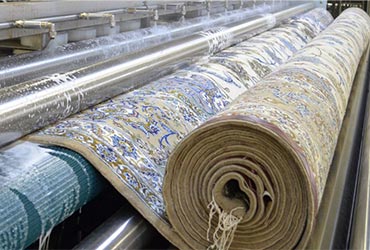
Rug Cleaning

Rug Cleaning

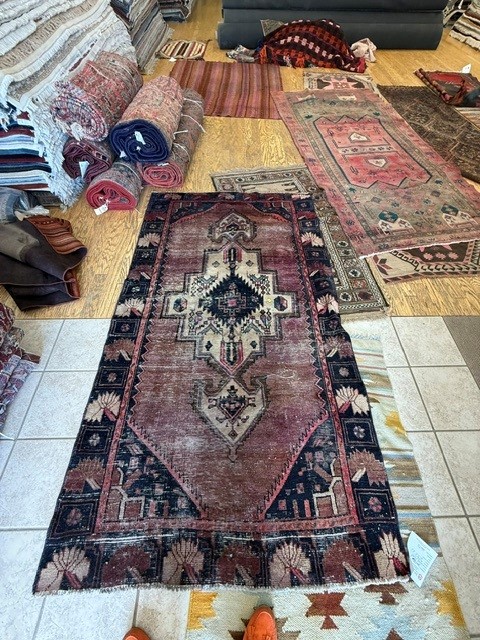
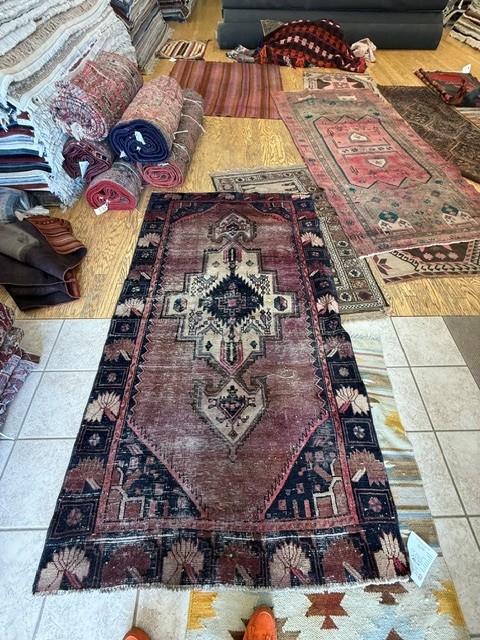
Our crews clean all types of area rugs, removing tough stains from fine word rug.

Rug Cleaning Process
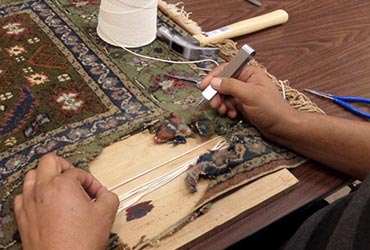
Rug Repair

Rug Repair

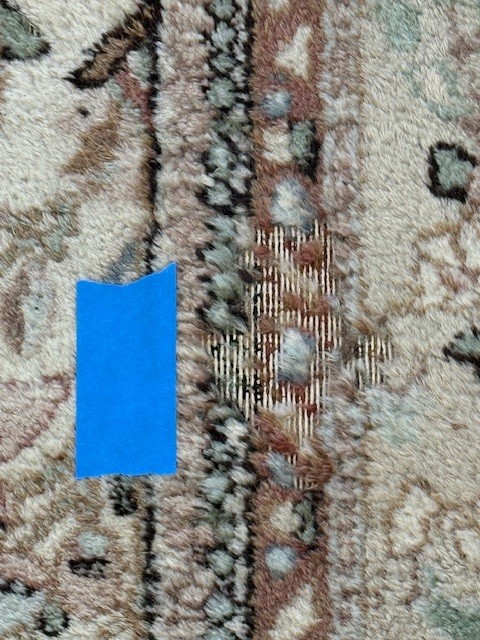
We perform fringe repair, color correction, binding repair & rug restoration services.

About Rug Repair
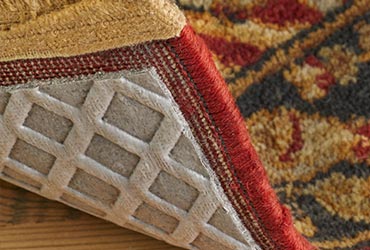
Rug Pads

Rug Pads

We offer custom-sized rug pads to enhance and protect your heirloom & antique rugs.

About Rug Pads
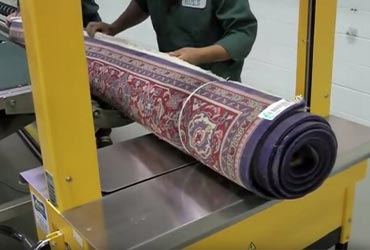
Free Pick-up & Delivery

Free Pick-up & Delivery

For cleaning, repair, and other services, we pick up and return your rug at no charge. 

Contact Us

From cleaning & maintenance to protection & storage, we can handle all aspects of your rug-related needs in the Greater Albany area. Your fine textiles will be safe, secure, clean, and protected from all perils while in the hands of our IICRC-certified specialists. We treat each rug with the individual care and custom cleaning and protection services required for each type of rug fiber:& wool, cotton, jute, silk, sisal, polyester, nylon, acrylic, and more. When you need our help, give us a call at 518-201-1191 today!

Types of Rugs We Clean in Terryville

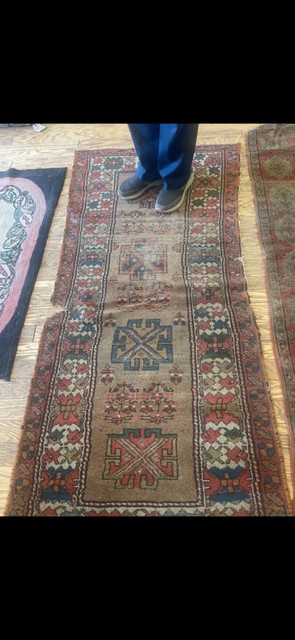
We clean a wide variety of rugs for customers in Terryville.
The list includes:
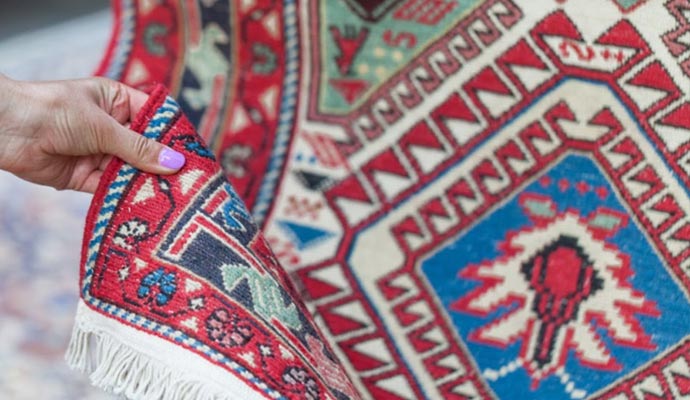
And Many More!

Oriental & Area Rug Cleaning and Protection Services in  New York, Massachusetts, Vermont & Connecticut by Jafri Rug Cleaning

Our Rug Cleaning Process in Terryville

When it is time to clean your Oriental or area rug in Terryville, our step-by-step process includes:
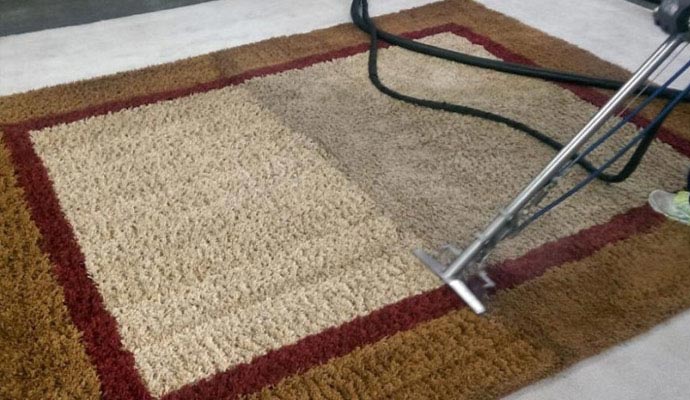
Rug Cleaning Before & After
  • Consultation: We meet with you to inspect your rug and determine the best possible eco-friendly cleaning method.

  • Dusting: Because rugs are designed to hide dirt, we remove deep-seated dust and dirt with our unique dusting approach.

  • Preconditioning Treatment: We customize a special treatment for each rug to assure the safest, most eco-friendly cleaning options are used.

  • Spot & Fringe Prep: We identify and treat visible spots & stains while preparing the rug fringe for treatment.

  • Shampoo: Using an ideal rug shampooing treatment designed for your rug, we clean thoroughly while maintaining the integrity of delicate fibers.

  • Rinse: We remove all excess dirt and soap from the rug carefully and safely.

Once the rug is dry, it is returned to the customer.

Trust Us to Clean & Protect Your Oriental Rug in Terryville

To get the best available rug cleaning, rug maintenance, rug protection, and rug storage services for customers in Terryville and throughout Upstate New York, you need to contact the proven professionals from Jafri Oriental Rugs. For the past four decades, we have handled all aspects of your rug-related needs when it comes to cleaning, repairing and restoring fine textiles in Terryville. To learn more about our services, give us a call at 518-201-1191 or click here to make an appointment today!
Our customers love us!

See All 46 Reviews
Customer Reviews from Terryville and Surrounding Areas ( 5
from 12 reviews )

Happy Customers across Terryville and Surrounding Areas

Completed Jobs from Terryville and Surrounding Areas

See All

December 29, 2023 | Amagansett, NY

Jafri Rugs not only cleaned the rug but brought back the vitality of the rug and increased the overall value of the rug. Jafri Rugs antique weavers repaired the rug to its original state and restored a century old rug. The rug required spot treatment and binding and fringe restoration. The rug additionally required reweaving into the field of the rug which was all done by hand. All repair work is done by hand.

January 02, 2024 | Clinton, NY

Jafri Rugs not only cleaned the rug but brought back the vitality of the rug and increased the overall value of the rug. Jafri Rugs antique weavers repaired the rug to its original state and restored a century old rug. The rug required spot treatment and binding and fringe restoration. The rug additionally required reweaving into the field of the rug which was all done by hand. All repair work is done by hand.

June 19, 2026 | Pawling, NY

Restoring a woven kilim rug is a delicate process that requires understanding the rug’s structure, materials, and traditional weaving techniques. Kilims are flat-weave rugs, typically made from wool (and sometimes cotton), and have no pile. Restoration focuses on preserving the rug's authenticity while repairing damage such as holes, frayed edges, or faded colors.     


Repairing a woven kilim rug depends on the type and extent of damage, Jafri Rug weavers follow the below steps:

1. Inspection

Examine the rug for:

  • Holes or worn areas
  • Broken warp threads (the lengthwise foundation threads)
  • Missing weft threads (the widthwise woven threads)
  • Frayed edges or ends
  • Color fading or fiber deterioration

2. Rug Cleaning and Dusting

  • Soak rug in tub of cold water and solution
  • Remove dirt trapped in damaged sections.
  • If heavily soiled, wash the rug appropriately and allow it to dry completely before repairs.

3. Stabilize the Rug

Secure the rug on a flat work surface or stretching frame.

  • Align distorted areas.
  • Straighten loose warp threads.
  • Prevent additional unraveling while working.

4. Repair the Foundation and Warp and Weft

If warp threads are broken:

  • Insert replacement warp yarns that closely match the original material (wool, cotton, or goat hair).
  • Anchor the new warps into sound surrounding structure.
  • Maintain the original spacing and tension.

This is often the most critical step because the entire weave depends on the warp foundation.

5. Reweave Missing Areas

For holes:

  • Match the original yarn type, thickness, and color as closely as possible.
  • Recreate the missing weft structure.
  • Follow the original pattern row by row.
  • Weave tightly enough to match surrounding density without causing puckering.

For valuable or antique kilims, restorers often hand-dye yarns to achieve accurate color matching.

6. Repair Binding

If side edges are frayed:

  • Rebuild the binding (finished edge).
  • Wrap and reinforce edge cords.
  • Stitch loose sections securely.

Strong edges help prevent future unraveling.

7. Repair Fringes

If the rug ends are damaged:

  • Secure loose wefts.
  • Recreate original end bindings.
  • Replace or reconstruct fringe if appropriate to the rug's design.

Sometimes conservation work leaves fringe incomplete intentionally to preserve authenticity.

8. Blend and Finish

After structural repairs:

  • Shear any excess yarn.
  • Adjust tension where necessary.
  • Lightly groom fibers to blend repaired sections with the original weaving

August 25, 2023 | Kent, CT

Jafri Rugs not only cleaned the rug but brought back the vitality of the rug and increased the overall value of the rug. Jafri was able to rebind by hand.

September 15, 2023 | Cold Spring, NY

Jafri Rugs not only cleaned the rug but brought back the vitality of the rug and increased the overall value of the rug.

September 15, 2023 | Litchfield, CT

Jafri Rugs not only cleaned the rug but brought back the vitality of the rug and increased the overall value of the rug. Jafri was able to rebind by hand.

June 19, 2026 | Beacon, NY

Restoring a woven kilim rug is a delicate process that requires understanding the rug’s structure, materials, and traditional weaving techniques. Kilims are flat-weave rugs, typically made from wool (and sometimes cotton), and have no pile. Restoration focuses on preserving the rug's authenticity while repairing damage such as holes, frayed edges, or faded colors.     


Repairing a woven kilim rug depends on the type and extent of damage, Jafri Rug weavers follow the below steps:

1. Inspection

Examine the rug for:

  • Holes or worn areas
  • Broken warp threads (the lengthwise foundation threads)
  • Missing weft threads (the widthwise woven threads)
  • Frayed edges or ends
  • Color fading or fiber deterioration

2. Rug Cleaning and Dusting

  • Soak rug in tub of cold water and solution
  • Remove dirt trapped in damaged sections.
  • If heavily soiled, wash the rug appropriately and allow it to dry completely before repairs.

3. Stabilize the Rug

Secure the rug on a flat work surface or stretching frame.

  • Align distorted areas.
  • Straighten loose warp threads.
  • Prevent additional unraveling while working.

4. Repair the Foundation and Warp and Weft

If warp threads are broken:

  • Insert replacement warp yarns that closely match the original material (wool, cotton, or goat hair).
  • Anchor the new warps into sound surrounding structure.
  • Maintain the original spacing and tension.

This is often the most critical step because the entire weave depends on the warp foundation.

5. Reweave Missing Areas

For holes:

  • Match the original yarn type, thickness, and color as closely as possible.
  • Recreate the missing weft structure.
  • Follow the original pattern row by row.
  • Weave tightly enough to match surrounding density without causing puckering.

For valuable or antique kilims, restorers often hand-dye yarns to achieve accurate color matching.

6. Repair Binding

If side edges are frayed:

  • Rebuild the binding (finished edge).
  • Wrap and reinforce edge cords.
  • Stitch loose sections securely.

Strong edges help prevent future unraveling.

7. Repair Fringes

If the rug ends are damaged:

  • Secure loose wefts.
  • Recreate original end bindings.
  • Replace or reconstruct fringe if appropriate to the rug's design.

Sometimes conservation work leaves fringe incomplete intentionally to preserve authenticity.

8. Blend and Finish

After structural repairs:

  • Shear any excess yarn.
  • Adjust tension where necessary.
  • Lightly groom fibers to blend repaired sections with the original weaving

June 22, 2023 | Tuxedo Park, NY

December 14, 2023 | Lagrangeville, NY

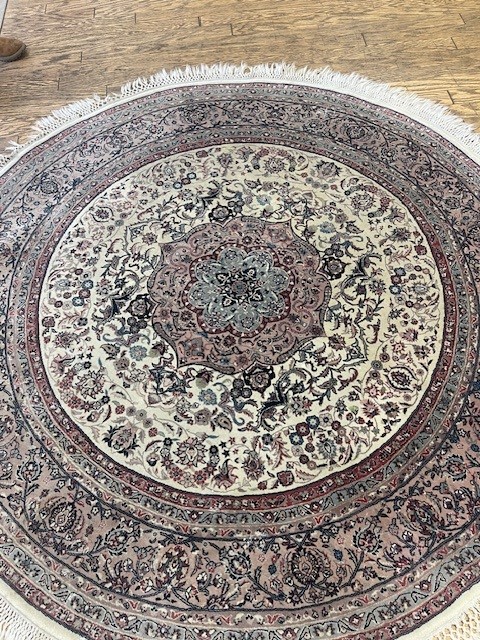
Humza Jafri worked closely with this client to make sure her Kerman was cleaned and brought back the vitality of the rug to its original state.

November 23, 2023 | Dover Plains, NY

Jafri Rugs not only cleaned the rug but brought back the vitality of the rug and increased the overall value of the rug.

June 19, 2026 | Union Vale, NY

1. Inspection

Examine the rug for:

  • Holes or worn areas
  • Broken warp threads (the lengthwise foundation threads)
  • Missing weft threads (the widthwise woven threads)
  • Frayed edges or ends
  • Color fading or fiber deterioration

2. Rug Cleaning and Dusting

  • Soak rug in tub of cold water and solution
  • Remove dirt trapped in damaged sections.
  • If heavily soiled, wash the rug appropriately and allow it to dry completely before repairs.

3. Stabilize the Rug

Secure the rug on a flat work surface or stretching frame.

  • Align distorted areas.
  • Straighten loose warp threads.
  • Prevent additional unraveling while working.

4. Repair the Foundation and Warp and Weft

If warp threads are broken:

  • Insert replacement warp yarns that closely match the original material (wool, cotton, or goat hair).
  • Anchor the new warps into sound surrounding structure.
  • Maintain the original spacing and tension.

This is often the most critical step because the entire weave depends on the warp foundation.

5. Reweave Missing Areas

For holes:

  • Match the original yarn type, thickness, and color as closely as possible.
  • Recreate the missing weft structure.
  • Follow the original pattern row by row.
  • Weave tightly enough to match surrounding density without causing puckering.

For valuable or antique kilims, restorers often hand-dye yarns to achieve accurate color matching.

6. Repair Binding

If side edges are frayed:

  • Rebuild the binding (finished edge).
  • Wrap and reinforce edge cords.
  • Stitch loose sections securely.

Strong edges help prevent future unraveling.

7. Repair Fringes

If the rug ends are damaged:

  • Secure loose wefts.
  • Recreate original end bindings.
  • Replace or reconstruct fringe if appropriate to the rug's design.

Sometimes conservation work leaves fringe incomplete intentionally to preserve authenticity.

8. Blend and Finish

After structural repairs:

  • Shear any excess yarn.
  • Adjust tension where necessary.
  • Lightly groom fibers to blend repaired sections with the original weaving

Before and After Job Photos Terryville

See All

June 15, 2023 | Tuxedo Park, NY

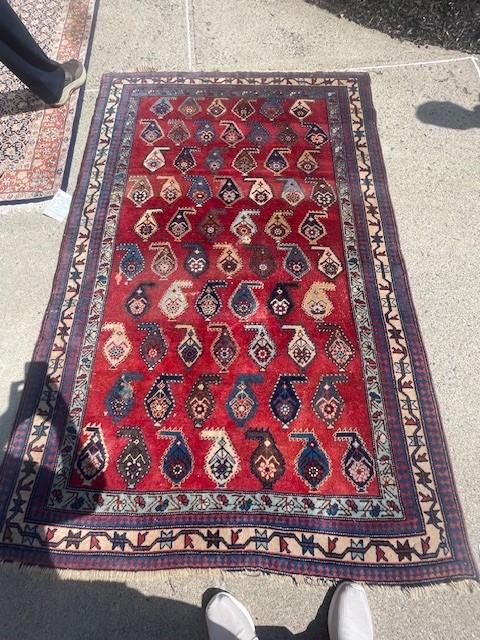
This rug was filthy and came in with moth damage. Jafri Rugs not only cleaned the rug but brought back the vitality of the rug and increased the overall value of the rug. Jafri Rugs antique weavers repaired the rug to its original state and restored a century old rug. The rug required spot treatment and binding and fringe restoration. The rug additionally required reweaving into the field of the rug which was all done by hand. All repair work is done by hand.
Reviews From Our Customers
Call Us For Your Free Pickup & Delivery Today!
518-201-1191
Arrow