
Mr Jafri is a pleasure to do business with. His workers have cleaned and repaired several of my rugs. The quality of work was excellent, and it was completely in a timely manner.
Oriental & Area Rug Cleaning and Repair in Spring Glen
We serve customers in New York, Connecticut, Vermont & Massachusetts.
For 42 years, Jafri Oriental Rugs has been recognized as the provider of the best and most comprehensive area rug cleaning & protection services in Spring Glen and throughout New York, Massachusetts, Vermont & Connecticut& areas that we serve. Our IICRC-certified technicians use cutting-edge technology, time-tested cleaning methods, pet-safe cleaning products, and eco-friendly protection processes for your Oriental rugs and other fine textiles.
20% Sale on Rug Cleaning and Repair
All pricing estimates include the 20% discount automatically
Among the primary services we provide for customers in Spring Glen include:
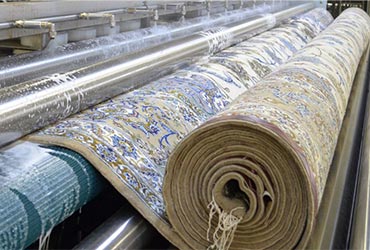
Rug Cleaning
Our crews clean all types of area rugs, removing tough stains from fine word rug.
Rug Cleaning Process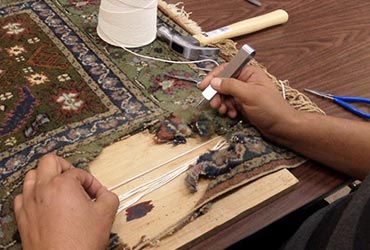
Rug Repair
We perform fringe repair, color correction, binding repair & rug restoration services.
About Rug Repair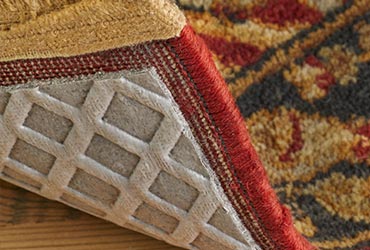
Rug Pads
We offer custom-sized rug pads to enhance and protect your heirloom & antique rugs.
About Rug Pads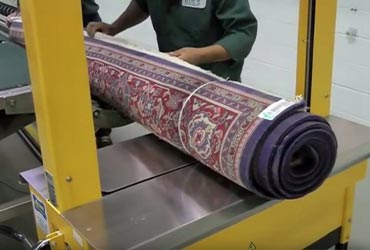
Free Pick-up & Delivery
For cleaning, repair, and other services, we pick up and return your rug at no charge.
Contact UsFrom cleaning & maintenance to protection & storage, we can handle all aspects of your rug-related needs in the Greater Albany area. Your fine textiles will be safe, secure, clean, and protected from all perils while in the hands of our IICRC-certified specialists. We treat each rug with the individual care and custom cleaning and protection services required for each type of rug fiber:& wool, cotton, jute, silk, sisal, polyester, nylon, acrylic, and more. When you need our help, give us a call at 518-201-1191 today!
Types of Rugs We Clean in Spring Glen
We clean a wide variety of rugs for customers in Spring Glen.
The list includes:
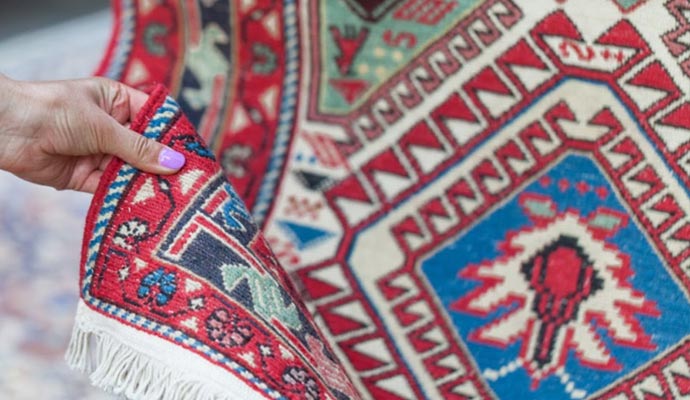
Our Rug Cleaning Process in Spring Glen
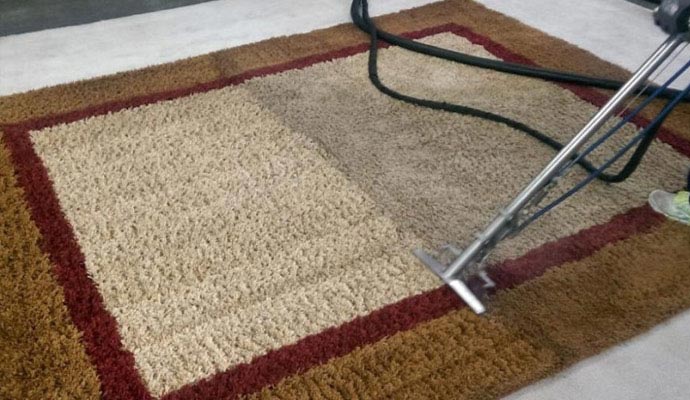
When it is time to clean your Oriental or area rug in Spring Glen, our step-by-step process includes:
-
Consultation: We meet with you to inspect your rug and determine the best possible eco-friendly cleaning method.
-
Dusting: Because rugs are designed to hide dirt, we remove deep-seated dust and dirt with our unique dusting approach.
-
Preconditioning Treatment: We customize a special treatment for each rug to assure the safest, most eco-friendly cleaning options are used.
-
Spot & Fringe Prep: We identify and treat visible spots & stains while preparing the rug fringe for treatment.
-
Shampoo: Using an ideal rug shampooing treatment designed for your rug, we clean thoroughly while maintaining the integrity of delicate fibers.
-
Rinse: We remove all excess dirt and soap from the rug carefully and safely.
Once the rug is dry, it is returned to the customer.
Trust Us to Clean & Protect Your Oriental Rug in Spring Glen
To get the best available rug cleaning, rug maintenance, rug protection, and rug storage services for customers in Spring Glen and throughout Upstate New York, you need to contact the proven professionals from Jafri Oriental Rugs. For the past four decades, we have handled all aspects of your rug-related needs when it comes to cleaning, repairing and restoring fine textiles in Spring Glen. To learn more about our services, give us a call at 518-201-1191 or click here to make an appointment today!
Our customers love us!
See All 46 Reviews
Customer Reviews from Spring Glen and Surrounding Areas
( 5
from 10 reviews )
Completed Jobs from Spring Glen and Surrounding Areas
See All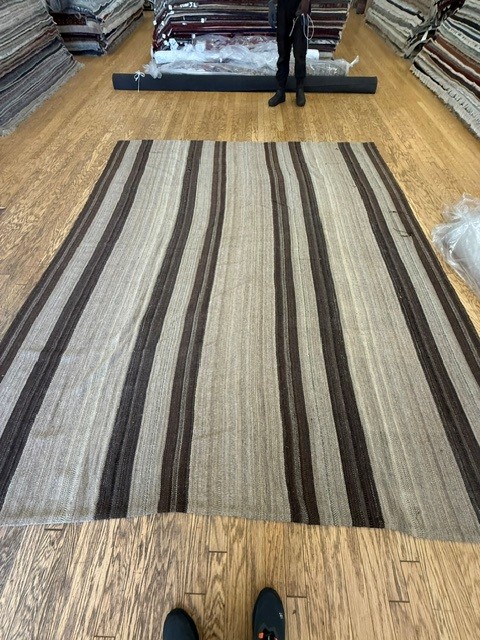
October 16, 2026 | Spring Glen, NY
Handmade and Antique Kilim Rug Cleaning
Handmade and antique Kilim rugs may feature natural fibers, traditional dyes, and delicate weaving techniques. Older rugs can also have weakened foundations, previous repairs, or areas of wear that require additional attention.
Jafri Rugs evaluates each rug individually before cleaning. Special consideration may be needed for unstable dyes, fragile fibers, loose weft yarns, or weakened edges.
Our approach is designed to provide appropriate care for each rug rather than applying the same cleaning process to every flat-weave textile.
Kilim Rug Stain and Odor Removal
Spills, food stains, pet accidents, and everyday dirt can affect the appearance and freshness of a Kilim rug.
Because Kilim rugs have a relatively thin, flat construction, moisture and contaminants may penetrate through the weave. Improper spot cleaning can also cause colors to bleed or spread.
Our specialists assess the affected areas and determine a suitable treatment based on the rug's dyes, fibers, and condition. Professional cleaning may help reduce stains and odors, although results depend on the type of contamination and whether permanent discoloration has occurred.
Professional Kilim Rug Repair
Over time, Kilim rugs can develop holes, tears, loose yarns, worn edges, or damaged fringe. Since the warp and weft yarns form the rug's structure, damage to these components can lead to further unraveling if left untreated.
Jafri Oriental Rugs provides repair assessments for a variety of Kilim rug problems, including:
Holes and tears
Broken or loose warp yarns
Missing or damaged weft yarns
Unraveling edges
Worn or damaged fringe
Separating seams
Weak or unstable sections
Areas affected by moths or moisture
The appropriate repair method depends on the rug's original weave, fiber type, pattern, and extent of damage.
Kilim Rug Reweaving and Restoration
When a Kilim rug develops holes or missing yarns, professional reweaving may help restore the affected area and stabilize the surrounding structure.
Kilim reweaving typically involves working with the rug's warp and weft to reconstruct the flat-weave pattern. Where practical, the repair specialist selects compatible fibers, yarn thicknesses, and colors to create a repair that blends with the original design.
Reweaving can be especially important for handmade and antique Kilim rugs where preserving the original construction is a priority.
Kilim Rug Fringe and Edge Repair
Fringe and edge damage are common problems with flat-weave rugs. Pulling, foot traffic, vacuuming, and normal aging can cause the ends or sides to unravel.
Jafri Rugs can assess damaged fringe and edges to determine whether they need stabilization, reconstruction, or another suitable repair.
Addressing these problems early can help prevent additional yarn loss and protect the rug's structural integrity.
Kilim Rug Cleaning After Water Damage
Water exposure can affect the fibers, dyes, and structure of a Kilim rug. If a rug remains damp for too long, it may develop unpleasant odors, discoloration, or other moisture-related problems.
Jafri Rugs can evaluate water-damaged Kilim rugs to determine whether professional cleaning, controlled drying, odor treatment, or structural repair may be appropriate.
Rugs exposed to floodwater or contaminated water should receive prompt professional assessment. Restoration possibilities depend on the type of water exposure, contamination, and the rug's condition.
Our Kilim Rug Cleaning and Repair Process
1. Inspection and Evaluation
We examine the rug's fibers, dye stability, flat-weave construction, fringe, edges, and any existing damage.
2. Dry Soil Removal
Loose dirt and embedded dry soil are removed using a method appropriate for the rug's condition.
3. Specialized Cleaning
We select a cleaning approach suited to the rug's fibers, dyes, weave, and degree of soiling.
4. Rinsing and Controlled Drying
When wet cleaning is appropriate, the rug is rinsed as needed and dried under suitable conditions to help protect its structure.
5. Repair and Reweaving
If required, damaged areas are evaluated for fringe repair, edge stabilization, reweaving, or other restoration work.
6. Final Inspection
The rug is reviewed after service to assess its condition and determine whether additional attention is recommended.
Why Choose Jafri Oriental Rugs for Kilim Cleaning and Repair?
Jafri Oriental Rugs specializes in Oriental and fine rugs, offering cleaning, repair, and restoration services for a variety of rug styles and constructions.
Customers can benefit from:
Individual inspection and cleaning recommendations
Care tailored to flat-weave rug construction
Assessment of antique, vintage, and handmade Kilims
Repair options for holes, tears, fringe, and edges
Guidance on ongoing rug maintenance
Related rug cleaning and restoration services
Our goal is to help customers care for their Kilim rugs with methods appropriate to the individual piece.
Kilim Rug Cleaning and Repair in Albany, NY
Looking for Kilim rug cleaning and repair in Albany, NY? Jafri Oriental Rugs serves homeowners and businesses throughout Albany, the Capital Region, Upstate New York, and the Hudson Valley.
Whether your rug needs professional cleaning, stain treatment, fringe repair, edge stabilization, or reweaving, we can evaluate its condition and discuss suitable options.
Contact Jafri Oriental Rugs
Jafri Oriental Rugs
116 Wolf Road
Albany, NY 12205
Phone: 518-750-6282
Contact us to discuss your Kilim rug's cleaning or repair needs. Ask about pickup and delivery availability for your area.
Preserve the beauty and craftsmanship of your Kilim rug with professional cleaning and repair from Jafri Oriental Rugs. Contact our Albany showroom to arrange an evaluation.
June 10, 2026 | Spring Glen, NY
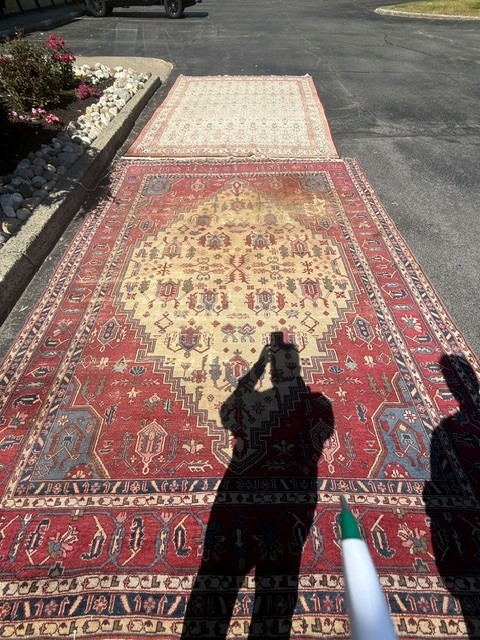
A Persian Serapi of this quality is a once in a lifetime rug that is no longer produced on any loom across the world.
The rug is a semi-antique and has all the characteristics of an antique Persian rug
The rug is a non programmed size and is made with vegetable dyes
Additionally, it is threadbare and is tightly knotted
HOWEVER, the rug has the following issues:
-Moth damage in the field that ate thru the motifs which requires reweaving and color restoration
-Fringe destroyed which requires fringe implant
-Faded vegetable dyes which requires brushing the rug with oil and vegetable dye to bring back the original color of the rug
Jafri Rug restoration will fix this rug entirely and raise the value of the rug by doing the following:
1.Inspection and Identification: Jafri Rugs carefully inspected to assess the extent of the moth damage. This involves checking the front and back of the rug for signs of infestation.
· Moth Treatment: The rug would be treated to eliminate any remaining moths and eggs. This usually involves a deep fumigation process using eco-friendly chemicals or freezing the rug to kill any pests.
· Re-weaving or Repairing Damaged Areas: The affected areas would likely require Jafri’s weavers reweaving the entire field. The damaged wool would be carefully removed, and new wool fibers, typically dyed to match the original, would be woven into the affected areas to restore the rug's appearance.
2. Worn and Faded Areas of the rug
As an example the medallion is a central feature in Persian rugs, and significant wear or fading can take away from the rug’s beauty and value.
· Color Restoration: To restore the faded vegetable and chrome dyes, Jafri’s first class weavers dyeing techniques may be employed. This could involve carefully re-dyeing the area using natural dyes or color-safe synthetic dyes. This process is done with precision to match the original hues and avoid dye bleeding.
· Reweaving/Restoration: If the medallion’s pattern is worn down to the point of damage, Jafri’s weavers had to reweave the intricate design. This involves painstakingly replicating the original design and colors.
3. Fringe and Binding Unraveling
The fringe and the binding are crucial for maintaining the structural integrity and aesthetic of the rug.
· Fringe Repair or Replacement: The unraveling fringe would need to be reattached or replaced, depending on the extent of the damage. Jafri’s weavers often restore the fringe by knotting it back into place using similar fibers (wool or silk, depending on the rug’s original material). If the fringe is too damaged, it might need to be completely replaced.
· Binding Reinforcement: The edges and binding would also be repaired. This could involve stitching new binding material (usually wool or cotton) onto the rug’s edges, followed by a careful reinforcement of the stitching to prevent further unraveling. A careful color match is essential to keep the aesthetic intact.
4. Wool Pilling
Pilling happens when fibers get tangled and form small balls of fuzz, which can occur naturally over time with wool rugs.
· Shaving the Rug: Pilling can be removed through a careful process of shaving. Special tools or razors designed for rugs are used to gently remove the pill without damaging the fibers underneath. The professional would carefully go over the rug to ensure the pilling is removed evenly, leaving the wool in good condition.
· Deep Cleaning: After shaving off the pilling, the rug would undergo a deep cleaning to remove any remaining loose fibers and dirt. This would also help restore the softness of the wool.
Additional Steps in the Restoration Process:
· Deep Cleaning: Once the repairs are done, the rug would be carefully cleaned using appropriate techniques for Persian rugs. This would likely involve hand-washing the rug with a gentle, wool-safe detergent to remove dirt, oils, and any debris, followed by rinsing and drying.
· Final Inspection: After repairs, the rug would undergo a final inspection to ensure that all issues (moth damage, wear, pilling, etc.) have been properly addressed. Any minor touch-ups or final adjustments would be made.

January 10, 2024 | Wawarsing, NY
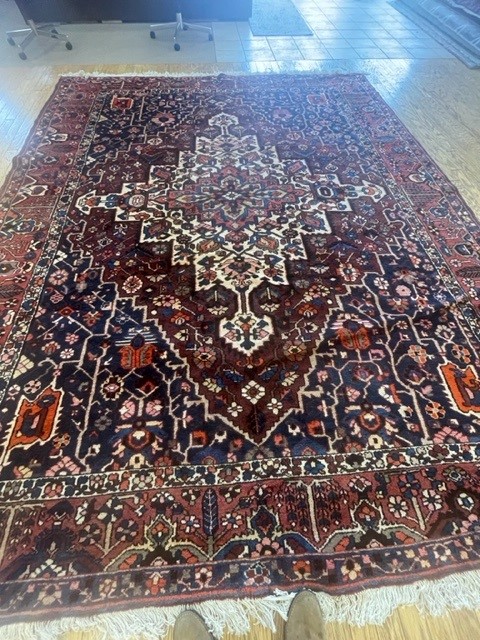
Jafri Rugs will make sure to do the following:
Apply an antique wash to the rug where the rug will be soaked for days and then dusted
Repair all the fringe and binding work
Reweave the field to maintain the integrity of the design and eliminate all wear
January 22, 2024 | Ellenville, NY
Jafri Rugs not only cleaned the rug but brought back the vitality of the rug and increased the overall value of the rug. Jafri Rugs antique weavers repaired the rug to its original state and restored a century old rug. The rug required spot treatment and binding and fringe restoration.
The rug additionally required reweaving into the field of the rug which was all done by hand.
All repair work is done by hand.

June 20, 2024 | Wawarsing, NY
Jafri Rugs not only cleaned the rug but brought back the vitality of the rug and increased the overall value of the rug. Jafri Rugs antique weavers repaired the rug to its original state and restored a century old rug. The rug required spot treatment and binding and fringe restoration.
The rug additionally required reweaving into the field of the rug which was all done by hand.
All repair work is done by hand.
August 30, 2024 | Ellenville, NY
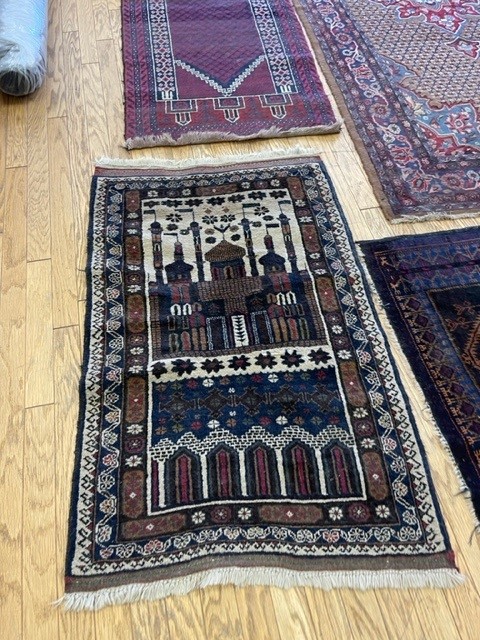
Jafri Rugs not only cleaned the rug but brought back the vitality of the rug and increased the overall value of the rug. Jafri Rugs antique weavers repaired the rug to its original state and restored a century old rug. The rug required spot treatment and binding and fringe restoration.
The rug additionally required reweaving into the field of the rug which was all done by hand.
All repair work is done by hand.
August 12, 2024 | Ellenville, NY
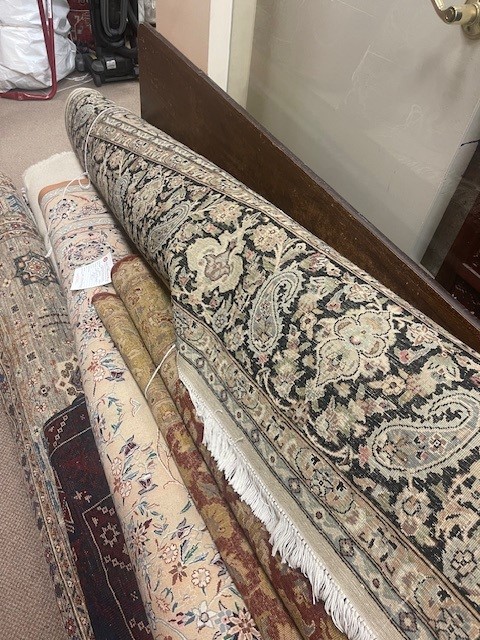
Jafri Rugs will make sure to do the following:
Apply an antique wash to the rug where the rug will be soaked for days and then dusted
Repair all the fringe and binding work
Reweave the field to maintain the integrity of the design and eliminate all wear
This customer required immediate color restoration for the rug.

August 30, 2025 | Wawarsing, NY
Jafri Rug restoration fixed this rug entirely and raised the value of the rug by doing the following:
1.Inspection and Identification: Jafri Rugs carefully
inspected to assess the extent of the moth damage. This involves checking the
front and back of the rug for signs of infestation.
- Moth
Treatment: The rug would be treated to eliminate any remaining moths
and eggs. This usually involves a deep fumigation process using
eco-friendly chemicals or freezing the rug to kill any pests. - Re-weaving
or Repairing Damaged Areas: The affected areas would likely require Jafri’s
weavers reweaving the entire field. The damaged wool would be carefully
removed, and new wool fibers, typically dyed to match the original, would
be woven into the affected areas to restore the rug's appearance.
2. Worn and Faded Areas of the rug
As an example the medallion is a central feature in Persian
rugs, and significant wear or fading can take away from the rug’s beauty and
value.
- Color
Restoration: To restore the faded vegetable and chrome dyes, Jafri’s
first class weavers dyeing techniques may be employed. This could involve
carefully re-dyeing the area using
natural dyes or color-safe synthetic dyes. This process is done with
precision to match the original hues and avoid dye bleeding. - Reweaving/Restoration:
If the medallion’s pattern is worn down to the point of damage, Jafri’s
weavers had to reweave the intricate design. This involves painstakingly
replicating the original design and colors.
3. Fringe and Binding Unraveling
The fringe and the binding are crucial for maintaining the
structural integrity and aesthetic of the rug.
- Fringe
Repair or Replacement: The unraveling fringe would need to be
reattached or replaced, depending on the extent of the damage. Jafri’s
weavers often restore the fringe by knotting it back into place using
similar fibers (wool or silk, depending on the rug’s original material).
If the fringe is too damaged, it might need to be completely replaced. - Binding
Reinforcement: The edges and binding would also be repaired. This
could involve stitching new binding material (usually wool or cotton) onto
the rug’s edges, followed by a careful reinforcement of the stitching to
prevent further unraveling. A careful color match is essential to keep the
aesthetic intact.
4. Wool Pilling
Pilling happens when fibers get tangled and form small balls
of fuzz, which can occur naturally over time with wool rugs.
- Shaving
the Rug: Pilling can be removed through a careful process of shaving.
Special tools or razors designed for rugs are used to gently remove the
pill without damaging the fibers underneath. The professional would
carefully go over the rug to ensure the pilling is removed evenly, leaving
the wool in good condition. - Deep
Cleaning: After shaving off the pilling, the rug would undergo a deep
cleaning to remove any remaining loose fibers and dirt. This would also
help restore the softness of the wool.
Additional Steps in the Restoration Process:
- Deep
Cleaning: Once the repairs are done, the rug would be carefully
cleaned using appropriate techniques for Persian rugs. This would likely
involve hand-washing the rug with a gentle, wool-safe detergent to remove
dirt, oils, and any debris, followed by rinsing and drying. - Final
Inspection: After repairs, the rug would undergo a final inspection to
ensure that all issues (moth damage, wear, pilling, etc.) have been
properly addressed. Any minor touch-ups or final adjustments would be
made.

August 18, 2025 | Walker Valley, NY
Jafri Rug restoration fixed this rug by doing the following:
1.Inspection and Identification: Jafri Rugs carefully inspected to assess the extent of the moth damage. This involves checking the front and back of the rug for signs of infestation.
- Moth Treatment: The rug would be treated to eliminate any remaining moths and eggs. This usually involves a deep fumigation process using eco-friendly chemicals or freezing the rug to kill any pests.
- Re-weaving or Repairing Damaged Areas: The affected areas would likely require Jafri’s weavers reweaving the entire field. The damaged wool would be carefully removed, and new wool fibers, typically dyed to match the original, would be woven into the affected areas to restore the rug's appearance.
2. Worn and Faded Areas of the rug
As an example the medallion is a central feature in Persian rugs, and significant wear or fading can take away from the rug’s beauty and value.
- Color Restoration: To restore the faded vegetable and chrome dyes, Jafri’s first class weavers dyeing techniques may be employed. This could involve carefully re-dyeing the area using natural dyes or color-safe synthetic dyes. This process is done with precision to match the original hues and avoid dye bleeding.
- Reweaving/Restoration: If the medallion’s pattern is worn down to the point of damage, Jafri’s weavers had to reweave the intricate design. This involves painstakingly replicating the original design and colors.
3. Fringe and Binding Unraveling
The fringe and the binding are crucial for maintaining the structural integrity and aesthetic of the rug.
- Fringe Repair or Replacement: The unraveling fringe would need to be reattached or replaced, depending on the extent of the damage. Jafri’s weavers often restore the fringe by knotting it back into place using similar fibers (wool or silk, depending on the rug’s original material). If the fringe is too damaged, it might need to be completely replaced.
- Binding Reinforcement: The edges and binding would also be repaired. This could involve stitching new binding material (usually wool or cotton) onto the rug’s edges, followed by a careful reinforcement of the stitching to prevent further unraveling. A careful color match is essential to keep the aesthetic intact.
November 05, 2025 | Ellenville, NY
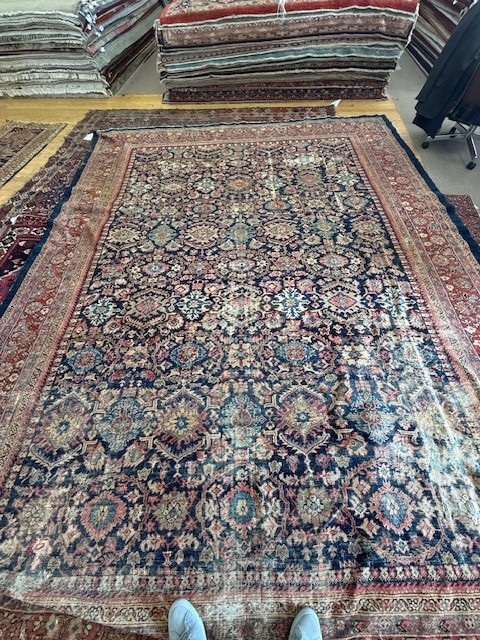
1.Inspection and Identification: Jafri Rugs carefully inspected to assess the extent of the moth damage. This involves checking the front and back of the rug for signs of infestation.
· Moth Treatment: The rug would be treated to eliminate any remaining moths and eggs. This usually involves a deep fumigation process using eco-friendly chemicals or freezing the rug to kill any pests.
· Re-weaving or Repairing Damaged Areas: The affected areas would likely require Jafri’s weavers reweaving the entire field. The damaged wool would be carefully removed, and new wool fibers, typically dyed to match the original, would be woven into the affected areas to restore the rug's appearance.
2. Worn and Faded Areas of the rug
As an example the medallion is a central feature in Persian rugs, and significant wear or fading can take away from the rug’s beauty and value.
· Color Restoration: To restore the faded vegetable and chrome dyes, Jafri’s first class weavers dyeing techniques may be employed. This could involve carefully re-dyeing the area using natural dyes or color-safe synthetic dyes. This process is done with precision to match the original hues and avoid dye bleeding.
· Reweaving/Restoration: If the medallion’s pattern is worn down to the point of damage, Jafri’s weavers had to reweave the intricate design. This involves painstakingly replicating the original design and colors.
3. Fringe and Binding Unraveling
The fringe and the binding are crucial for maintaining the structural integrity and aesthetic of the rug.
· Fringe Repair or Replacement: The unraveling fringe would need to be reattached or replaced, depending on the extent of the damage. Jafri’s weavers often restore the fringe by knotting it back into place using similar fibers (wool or silk, depending on the rug’s original material). If the fringe is too damaged, it might need to be completely replaced.
· Binding Reinforcement: The edges and binding would also be repaired. This could involve stitching new binding material (usually wool or cotton) onto the rug’s edges, followed by a careful reinforcement of the stitching to prevent further unraveling. A careful color match is essential to keep the aesthetic intact.
4. Wool Pilling
Pilling happens when fibers get tangled and form small balls of fuzz, which can occur naturally over time with wool rugs.
· Shaving the Rug: Pilling can be removed through a careful process of shaving. Special tools or razors designed for rugs are used to gently remove the pill without damaging the fibers underneath. The professional would carefully go over the rug to ensure the pilling is removed evenly, leaving the wool in good condition.
· Deep Cleaning: After shaving off the pilling, the rug would undergo a deep cleaning to remove any remaining loose fibers and dirt. This would also help restore the softness of the wool.
Additional Steps in the Restoration Process:
· Deep Cleaning: Once the repairs are done, the rug would be carefully cleaned using appropriate techniques for Persian rugs. This would likely involve hand-washing the rug with a gentle, wool-safe detergent to remove dirt, oils, and any debris, followed by rinsing and drying.
· Final Inspection: After repairs, the rug would undergo a final inspection to ensure that all issues (moth damage, wear, pilling, etc.) have been properly addressed. Any minor touch-ups or final adjustments would be made.
Challenges and Considerations:
· Color Consistency: With moth damage, fading, or re-dyeing, matching the original color and design of the rug is critical. Artisans skilled in Persian rug restoration use specific techniques to ensure that the restoration looks seamless and authentic.
· Preservation of Value: Since Persian rugs can be valuable, every step must prioritize both cleaning and repairing the rug in a way that preserves its authenticity and market value.
This process would likely take a fair amount of time—typically several weeks—due to the level of care required for the repairs and the need for thorough cleaning and drying. Professional rug restoration requires great expertise, especially for an heirloom-quality piece like a Persian Kashan.
Would you like more specific details about any of these steps?
Restoring a Persian rug requires skill and care to maintain its integrity and value. Persian rugs are known for their durability and intricate patterns, often made from wool or silk, with a dense weave. Without having proper weavers in place who understand the motifs and type of wool to restore the rug you can diminish the value of the rug and destroy the rug.
Jafri Rugs restoration will do the following:
1. Assessment and Inspection:
Condition Check: Inspect the rug thoroughly for signs of wear, including fraying edges, missing or damaged knots, stains, or fading. This is essential to assess the scope of restoration work needed.
Fabric Type: Identify the materials used (wool, silk, etc.) to ensure the correct restoration techniques and materials are used.
Color Matching: Persian rugs often feature vibrant and intricate color schemes. Color matching is important for any repairs to ensure the restoration blends seamlessly with the original.
2. Cleaning:
Gentle Cleaning: Before restoration, the rug is cleaned to remove dirt and stains. This is typically done by hand or machine using organic olive oil shampoo foam to cleanse the rug and techniques that preserve the integrity of the fibers.
Drying: After cleaning, the rug must be carefully dried to prevent any damage or shrinkage.
3. Repairing Damaged Areas:
Reweaving/Knots: If there are missing or damaged knots, the missing sections will be re-woven by hand. Skilled weavers use the same knotting technique that was used in the original rug to ensure consistency.
Fringe Repair: If the fringe is damaged or missing, it can be reattached or replaced using matching fibers.
Edge Repair: The rug’s edges may become frayed over time. A repair may involve re-binding the edges to prevent further unraveling.
4. Color Restoration:
If the rug has areas with faded or discolored sections, dyes matching the original colors may be applied to restore the vibrancy. This requires careful attention to detail to blend the colors seamlessly.
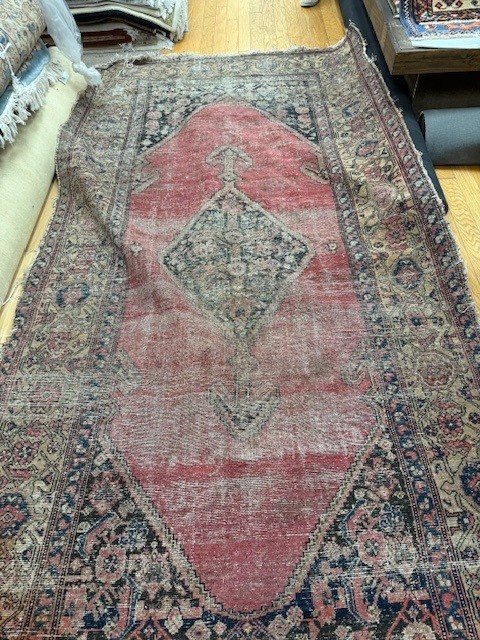
January 17, 2026 | Ellenville, NY
1.Inspection and Identification: Jafri Rugs carefully inspected to assess the extent of the moth damage. This involves checking the front and back of the rug for signs of infestation.
· Moth Treatment: The rug would be treated to eliminate any remaining moths and eggs. This usually involves a deep fumigation process using eco-friendly chemicals or freezing the rug to kill any pests.
· Re-weaving or Repairing Damaged Areas: The affected areas would likely require Jafri’s weavers reweaving the entire field. The damaged wool would be carefully removed, and new wool fibers, typically dyed to match the original, would be woven into the affected areas to restore the rug's appearance.
2. Worn and Faded Areas of the rug
As an example the medallion is a central feature in Persian rugs, and significant wear or fading can take away from the rug’s beauty and value.
· Color Restoration: To restore the faded vegetable and chrome dyes, Jafri’s first class weavers dyeing techniques may be employed. This could involve carefully re-dyeing the area using natural dyes or color-safe synthetic dyes. This process is done with precision to match the original hues and avoid dye bleeding.
· Reweaving/Restoration: If the medallion’s pattern is worn down to the point of damage, Jafri’s weavers had to reweave the intricate design. This involves painstakingly replicating the original design and colors.
3. Fringe and Binding Unraveling
The fringe and the binding are crucial for maintaining the structural integrity and aesthetic of the rug.
· Fringe Repair or Replacement: The unraveling fringe would need to be reattached or replaced, depending on the extent of the damage. Jafri’s weavers often restore the fringe by knotting it back into place using similar fibers (wool or silk, depending on the rug’s original material). If the fringe is too damaged, it might need to be completely replaced.
· Binding Reinforcement: The edges and binding would also be repaired. This could involve stitching new binding material (usually wool or cotton) onto the rug’s edges, followed by a careful reinforcement of the stitching to prevent further unraveling. A careful color match is essential to keep the aesthetic intact.
4. Wool Pilling
Pilling happens when fibers get tangled and form small balls of fuzz, which can occur naturally over time with wool rugs.
· Shaving the Rug: Pilling can be removed through a careful process of shaving. Special tools or razors designed for rugs are used to gently remove the pill without damaging the fibers underneath. The professional would carefully go over the rug to ensure the pilling is removed evenly, leaving the wool in good condition.
· Deep Cleaning: After shaving off the pilling, the rug would undergo a deep cleaning to remove any remaining loose fibers and dirt. This would also help restore the softness of the wool.
Additional Steps in the Restoration Process:
· Deep Cleaning: Once the repairs are done, the rug would be carefully cleaned using appropriate techniques for Persian rugs. This would likely involve hand-washing the rug with a gentle, wool-safe detergent to remove dirt, oils, and any debris, followed by rinsing and drying.
Final Inspection: After repairs, the rug would undergo a final inspection to ensure that all issues (moth damage, wear, pilling, etc.) have been properly addressed. Any minor touch-ups or final adjustments would be made.
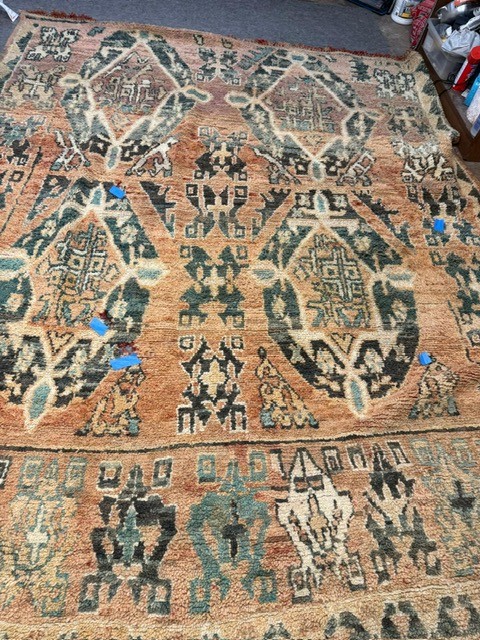
April 16, 2026 | Ellenville, NY
Jafri Rug restoration fixed this rug entirely and raised the value of the rug by doing the following:
1.Inspection and Identification: Jafri Rugs carefully inspected to assess the extent of the moth damage. This involves checking the front and back of the rug for signs of infestation.
· Moth Treatment: The rug would be treated to eliminate any remaining moths and eggs. This usually involves a deep fumigation process using eco-friendly chemicals or freezing the rug to kill any pests.
· Re-weaving or Repairing Damaged Areas: The affected areas would likely require Jafri’s weavers reweaving the entire field. The damaged wool would be carefully removed, and new wool fibers, typically dyed to match the original, would be woven into the affected areas to restore the rug's appearance.
2. Worn and Faded Areas of the rug
As an example the medallion is a central feature in Persian rugs, and significant wear or fading can take away from the rug’s beauty and value.
· Color Restoration: To restore the faded vegetable and chrome dyes, Jafri’s first class weavers dyeing techniques may be employed. This could involve carefully re-dyeing the area using natural dyes or color-safe synthetic dyes. This process is done with precision to match the original hues and avoid dye bleeding.
· Reweaving/Restoration: If the medallion’s pattern is worn down to the point of damage, Jafri’s weavers had to reweave the intricate design. This involves painstakingly replicating the original design and colors.
3. Fringe and Binding Unraveling
The fringe and the binding are crucial for maintaining the structural integrity and aesthetic of the rug.
· Fringe Repair or Replacement: The unraveling fringe would need to be reattached or replaced, depending on the extent of the damage. Jafri’s weavers often restore the fringe by knotting it back into place using similar fibers (wool or silk, depending on the rug’s original material). If the fringe is too damaged, it might need to be completely replaced.
· Binding Reinforcement: The edges and binding would also be repaired. This could involve stitching new binding material (usually wool or cotton) onto the rug’s edges, followed by a careful reinforcement of the stitching to prevent further unraveling. A careful color match is essential to keep the aesthetic intact.
4. Wool Pilling
Pilling happens when fibers get tangled and form small balls of fuzz, which can occur naturally over time with wool rugs.
· Shaving the Rug: Pilling can be removed through a careful process of shaving. Special tools or razors designed for rugs are used to gently remove the pill without damaging the fibers underneath. The professional would carefully go over the rug to ensure the pilling is removed evenly, leaving the wool in good condition.
· Deep Cleaning: After shaving off the pilling, the rug would undergo a deep cleaning to remove any remaining loose fibers and dirt. This would also help restore the softness of the wool.
Before and After Job Photos Spring Glen
See All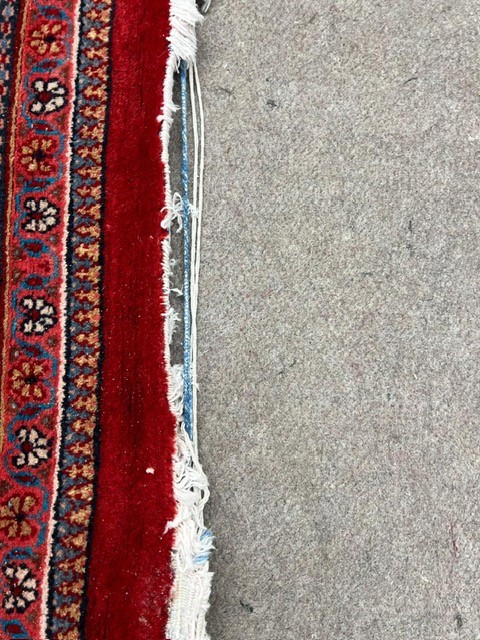
August 02, 2024 | Gardiner, NY
This is an example of the work Jafri Oriental Rugs performs on a rug:
-Fringe was fraying
-Binding was unraveling
-Moth damage was showing all throughout the rug
Reviews From Our Customers
I bless the day I found Mr Jafri. As one who has collected rugs for 50 years, I both learned about their value and origins and had them beautifully cleaned and repaired.
Very beautiful rugs there, would have been a difficult decision. Only needed a rug pad this time. When we're in the market again, this is where we'll go. Pete, Delmar, NY
Call Us For Your Free Pickup & Delivery Today!
