Jafri Oriental Rug Cleaning Logo
Free Pick-up & Delivery
Contact Us
Call Us Now
518-201-1191

Oriental & Area Rug Cleaning and Repair in Morgan

We serve customers in New York, Connecticut, Vermont & Massachusetts.

For 42 years, Jafri Oriental Rugs has been recognized as the provider of the best and most comprehensive area rug cleaning & protection services in Morgan and throughout New York, Massachusetts, Vermont & Connecticut& areas that we serve. Our IICRC-certified technicians use cutting-edge technology, time-tested cleaning methods, pet-safe cleaning products, and eco-friendly protection processes for your Oriental rugs and other fine textiles.

20% Sale on Rug Cleaning and Repair

All pricing estimates include the 20% discount automatically

Among the primary services we provide for customers in Morgan include:
Rug Cleaning

Rug Cleaning

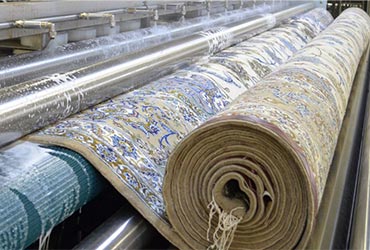
Our crews clean all types of area rugs, removing tough stains from fine word rug.

Rug Cleaning Process
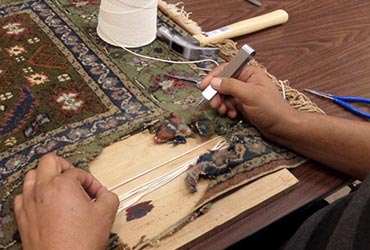
Rug Repair

Rug Repair

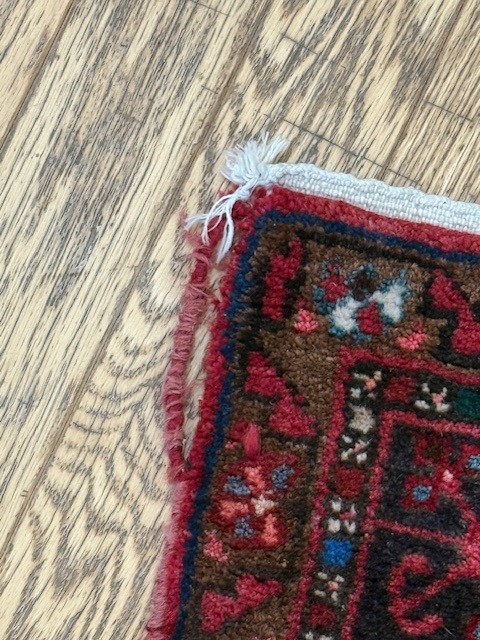
We perform fringe repair, color correction, binding repair & rug restoration services.

About Rug Repair
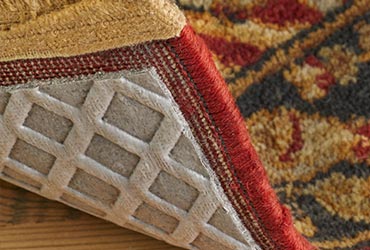
Rug Pads

Rug Pads

We offer custom-sized rug pads to enhance and protect your heirloom & antique rugs.

About Rug Pads
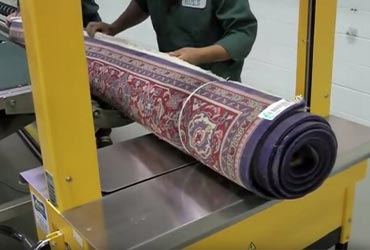
Free Pick-up & Delivery

Free Pick-up & Delivery

For cleaning, repair, and other services, we pick up and return your rug at no charge. 

Contact Us

From cleaning & maintenance to protection & storage, we can handle all aspects of your rug-related needs in the Greater Albany area. Your fine textiles will be safe, secure, clean, and protected from all perils while in the hands of our IICRC-certified specialists. We treat each rug with the individual care and custom cleaning and protection services required for each type of rug fiber:& wool, cotton, jute, silk, sisal, polyester, nylon, acrylic, and more. When you need our help, give us a call at 518-201-1191 today!

Types of Rugs We Clean in Morgan

We clean a wide variety of rugs for customers in Morgan.
The list includes:
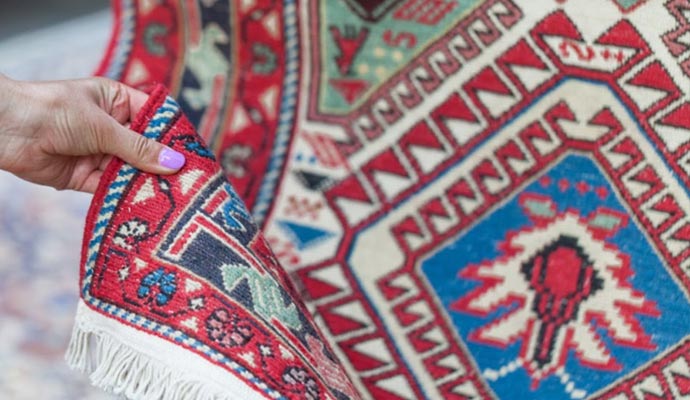
And Many More!

Oriental & Area Rug Cleaning and Protection Services in  New York, Massachusetts, Vermont & Connecticut by Jafri Rug Cleaning

Our Rug Cleaning Process in Morgan

When it is time to clean your Oriental or area rug in Morgan, our step-by-step process includes:
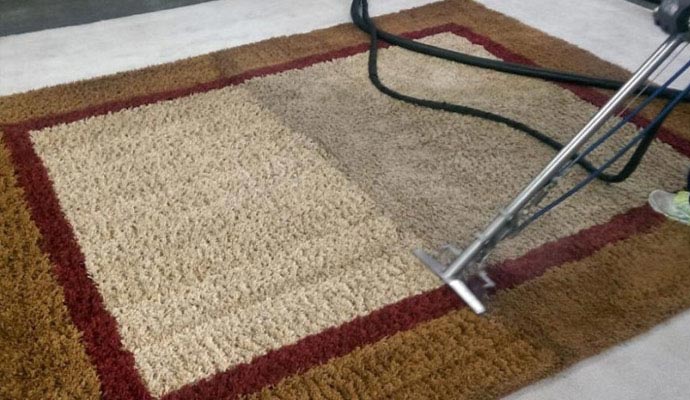
Rug Cleaning Before & After
  • Consultation: We meet with you to inspect your rug and determine the best possible eco-friendly cleaning method.

  • Dusting: Because rugs are designed to hide dirt, we remove deep-seated dust and dirt with our unique dusting approach.

  • Preconditioning Treatment: We customize a special treatment for each rug to assure the safest, most eco-friendly cleaning options are used.

  • Spot & Fringe Prep: We identify and treat visible spots & stains while preparing the rug fringe for treatment.

  • Shampoo: Using an ideal rug shampooing treatment designed for your rug, we clean thoroughly while maintaining the integrity of delicate fibers.

  • Rinse: We remove all excess dirt and soap from the rug carefully and safely.

Once the rug is dry, it is returned to the customer.

Trust Us to Clean & Protect Your Oriental Rug in Morgan

To get the best available rug cleaning, rug maintenance, rug protection, and rug storage services for customers in Morgan and throughout Upstate New York, you need to contact the proven professionals from Jafri Oriental Rugs. For the past four decades, we have handled all aspects of your rug-related needs when it comes to cleaning, repairing and restoring fine textiles in Morgan. To learn more about our services, give us a call at 518-201-1191 or click here to make an appointment today!
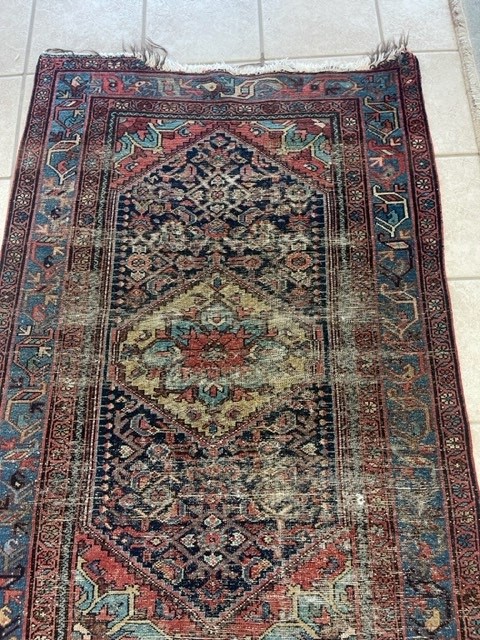
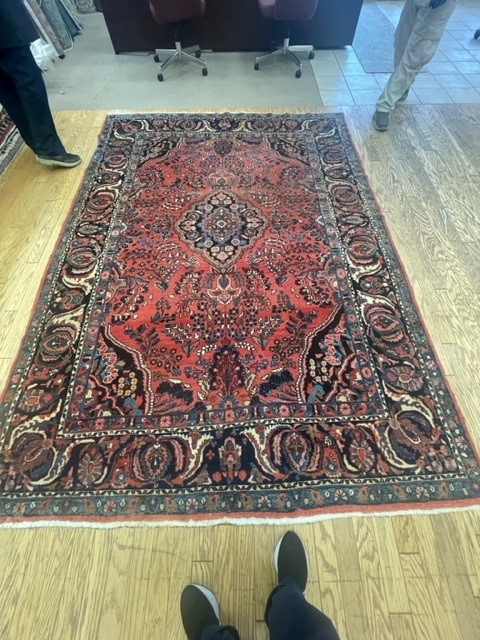
Our customers love us!

See All 46 Reviews
Customer Reviews from Morgan and Surrounding Areas ( 5
from 12 reviews )

Completed Jobs from Morgan and Surrounding Areas

See All

July 21, 2026 | Glenford, NY

Jafri Rugs Persian and Oriental rug cleaning process is customized to the rug's fiber, age, dyes, and condition. The typical process includes:

  1. Inspection & Pre-Treatment
    • Every rug is carefully inspected for wear, stains, colorfastness, fringe condition, and structural damage.
    • The appropriate cleaning method is selected based on the rug's construction and materials.
  2. Deep Dust Removal
    • Dry soil, sand, and grit are removed using specialized dusting equipment before washing.
    • This step is essential because embedded dirt can damage fibers if left in the rug during cleaning.
  3. Spot & Stain Treatment
    • Pet stains, food spills, odors, and other problem areas receive targeted pre-treatment using wool-safe cleaning solutions.
    • Delicate rugs receive customized treatment to protect dyes and fibers.
  4. Hand Washing
    • Rugs are washed on both sides using gentle, fiber-safe shampoos and traditional hand-washing techniques.
    • Antique, Persian, Oriental, silk, and wool rugs receive specialized care to preserve their colors and texture.
  5. Thorough Rinsing
    • The rug is completely rinsed to remove dirt, soap, and cleaning residues, helping maintain softness and preventing rapid re-soiling.
  6. Water Extraction & Drying
    • A centrifugal extraction system removes most of the moisture.
    • Rugs are then dried in a climate-controlled environment to help prevent shrinkage, mildew, and color bleeding.
  7. Brushing, Grooming & Protection
    • Fibers are brushed back into their natural direction.
    • Fringes are cleaned and groomed.
    • Protective treatments against mold, moths, and insects may be applied when appropriate.
  8. Final Inspection & Delivery
    • Each rug undergoes a final quality inspection.
    • The rug is packaged and returned, with free pickup and delivery available in many service areas.

This process is designed to safely clean Persian, Oriental, wool, silk, antique, and handmade rugs while preserving their beauty and extending their lifespan.

December 13, 2025 | West Hurley, NY

The second image shows the rug completely restored

All this work is artisan work and is done by hand. The artistry is that we maintain the antiquity of the rug so that the rug does not look newly made but rather as though it came off the loom circa 1900.

Jafri Rug Restoration fixed this rug by applying its professional museum-quality antique rug cleaning process step-by-step:

1. Inspection & Documentation


A specialist first examines the rug to determine:


  • Age, origin, weave style


  • Fiber type (wool, silk, cotton foundation, etc.)


  • Dye stability (natural vegetable dyes vs synthetic dyes)


  • Fragile areas: worn patches, dry rot, loose fringe, holes, moth damage


  • Previous repairs or color touch-ups


Why it matters: Antique rugs often have unstable dyes and delicate foundations. The cleaning process is tailored based on the following factors: fabric, type of dye used, age of rug


2. Dry Soil Removal (Dusting)


This is one of the most important steps.

  • Gentle vibrating dusting machines


  • Air dusting / compressed air


This removes the following:


  • Packed dust


  • Sand/grit


  • Allergens


  • Moth larvae and eggs


Why it matters: Up to 70% of soil in antique rugs is dry particulate that tears fibers if washed without dusting.

3. Colorfastness Testing


Before any washing:


  • Each dye color (reds, blues, greens, blacks) is tested with water and mild detergent.


  • If dyes are unstable, cleaners apply dye stabilizers or choose a dry-cleaning or low-moisture method.


Why it matters: Natural dyes can bleed or fade; this prevents damage.

4. Specialty Hand Wash (Traditional Bath)


Most high-end cleaners wash antique rugs by hand, never by machine.


Steps:


  1. Rug is submerged in a cool-water wash pit.


  2. Olive oil wool-safe shampoo from Italy is gently applied, no harsh chemicals are applied as that can cause color run/color bleeding


  3. Both sides of the rug are cleaned using soft brushes or hand tools.


  4. Water is circulated to remove embedded dirt.


5. Rinse & Water Extraction


  • Thorough rinsing removes soap residue that can attract dirt later.


  • Water extraction is done by rolling, squeegeeing, or suction tools.


  • No high-heat drying (which can shrink wool or warp foundations).

6. Controlled Drying


Antique rugs are dried:


  • In climate-controlled rooms with proper airflow


Drying can take 24–48+ hours depending on the rug’s age and thickness.

7. Grooming & Fringe Care


After cleaning:


  • Rug pile is brushed in its natural direction going the grain and fibers of the rug


  • Fringe is hand-cleaned and straightened out with a comb


8. Repairs or Restoration


  • Reweaving worn areas 


  • Edge/selvage reinforcement


  • Fringe repair or replacement


  • Moth damage treatment


  • Color restoration is used where actual dye and New Zealand worsted wool is used to bring back the original condition of the rug

9. Final Inspection


The rug is checked for:


  • Even pile direction


  • Clean fringe


  • No soap residue


  • No odor


  • Proper color stability


  • Smooth, flat drying

Why Antique Rugs Need Special Care?


Antique rugs are different because:


  • Natural vegetable dyes can bleed


  • Wool fibers become brittle with age


  • Cotton foundations shrink easily


  • Hand-knotted structure can loosen


  • Value (sometimes thousands of dollars) depends on condition


Machine carpet cleaning or steam cleaning can destroy antique rugs.

July 03, 2026 | Hurley, NY

Jafri Rug Restoration cleaning process is designed to safely clean handmade, antique, wool, silk, and other specialty rugs. The typical process includes:

  1. Inspection (Pre-Treatment) – Each rug is carefully inspected to determine its condition, fiber type, dyes, and any stains or damage. This helps identify the most appropriate cleaning method.
  2. Dust Removal – Specialized dusting equipment removes deeply embedded dust, grit, and allergens from the rug before washing. This is a critical step because dry soil can damage fibers if left in the rug during washing.
  3. Soaking – The rug is soaked to loosen dirt, pet stains, odors, and other contaminants. Heavily soiled rugs may require multiple soaks. Antique and silk rugs receive extra care.
  4. Hand Washing – Both sides of the rug are washed using vegetable-based soaps and specialized shampoos, followed by a thorough rinse to remove all cleaning residues.
  5. Luster Wash (when appropriate) – Some rugs receive an additional luster treatment to enhance brightness and restore appearance.
  6. Brushing/Grooming – The pile is brushed with grooming tools to align the fibers and restore the rug's natural texture.
  7. Controlled Drying – Rugs are dried naturally in a climate-controlled drying room to help prevent shrinkage, mildew, or fiber damage.
  8. Final Inspection – Each rug undergoes a final quality inspection. If necessary, cleaning steps are repeated to achieve the best possible result before the rug is returned to the customer.

June 15, 2024 | Hurley, NY

Jafri Rugs not only cleaned the rug but brought back the vitality of the rug and increased the overall value of the rug. Jafri Rugs antique weavers repaired the rug to its original state and restored a century old rug. The rug required spot treatment and binding and fringe restoration. The rug additionally required reweaving into the field of the rug which was all done by hand. All repair work is done by hand.

June 16, 2025 | Hurley, NY

Jafri Rug restoration repaired the following: 1.Inspection and Identification: Jafri Rugs carefully inspected to assess the extent of the moth damage. This involves checking the front and back of the rug for signs of infestation. • Moth Treatment: The rug would be treated to eliminate any remaining moths and eggs. This usually involves a deep fumigation process using eco-friendly chemicals or freezing the rug to kill any pests. • Re-weaving or Repairing Damaged Areas: The affected areas would likely require Jafri’s weavers reweaving the entire field. The damaged wool would be carefully removed, and new wool fibers, typically dyed to match the original, would be woven into the affected areas to restore the rug's appearance. 2. Worn and Faded Areas of the rug As an example the medallion is a central feature in Persian rugs, and significant wear or fading can take away from the rug’s beauty and value. • Color Restoration: To restore the faded vegetable and chrome dyes, Jafri’s first class weavers dyeing techniques may be employed. This could involve carefully re-dyeing the area using natural dyes or color-safe synthetic dyes. This process is done with precision to match the original hues and avoid dye bleeding. • Reweaving/Restoration: If the medallion’s pattern is worn down to the point of damage, Jafri’s weavers had to reweave the intricate design. This involves painstakingly replicating the original design and colors. 3. Fringe and Binding Unraveling The fringe and the binding are crucial for maintaining the structural integrity and aesthetic of the rug. • Fringe Repair or Replacement: The unraveling fringe would need to be reattached or replaced, depending on the extent of the damage. Jafri’s weavers often restore the fringe by knotting it back into place using similar fibers (wool or silk, depending on the rug’s original material). If the fringe is too damaged, it might need to be completely replaced. • Binding Reinforcement: The edges and binding would also be repaired. This could involve stitching new binding material (usually wool or cotton) onto the rug’s edges, followed by a careful reinforcement of the stitching to prevent further unraveling. A careful color match is essential to keep the aesthetic intact.

October 21, 2025 | West Hurley, NY

The second picture shows Jafri Rug restoration fixed this rug entirely and raised the
value of the rug by doing the following:


1.Inspection and
Identification:
 Jafri Rugs carefully inspected to assess the extent of the
moth damage. This involves checking the front and back of the rug for signs of
infestation.


·       
Moth Treatment: The rug would be treated
to eliminate any remaining moths and eggs. This usually involves a deep
fumigation process using eco-friendly chemicals or freezing the rug to kill any
pests.


·       
Re-weaving or Repairing Damaged Areas:
The affected areas would likely require Jafri’s weavers reweaving the entire
field. The damaged wool would be carefully removed, and new wool fibers,
typically dyed to match the original, would be woven into the affected areas to
restore the rug's appearance.


2. Worn and Faded Areas of the
rug


As an example the medallion is a
central feature in Persian rugs, and significant wear or fading can take away
from the rug’s beauty and value.


·       
Color Restoration: To restore the faded vegetable
and chrome dyes, Jafri’s first class weavers dyeing techniques may be employed.
This could involve carefully re-dyeing the 
area using natural dyes or color-safe synthetic dyes. This process is
done with precision to match the original hues and avoid dye bleeding.


·       
Reweaving/Restoration: If the medallion’s
pattern is worn down to the point of damage, Jafri’s weavers had to reweave the
intricate design. This involves painstakingly replicating the original design
and colors.


3. Fringe and Binding
Unraveling


The fringe and the binding are
crucial for maintaining the structural integrity and aesthetic of the rug.


·       
Fringe Repair or Replacement: The
unraveling fringe would need to be reattached or replaced, depending on the
extent of the damage. Jafri’s weavers often restore the fringe by knotting it
back into place using similar fibers (wool or silk, depending on the rug’s
original material). If the fringe is too damaged, it might need to be
completely replaced.


·       
Binding Reinforcement: The edges and
binding would also be repaired. This could involve stitching new binding
material (usually wool or cotton) onto the rug’s edges, followed by a careful
reinforcement of the stitching to prevent further unraveling. A careful color
match is essential to keep the aesthetic intact.


4. Wool Pilling


Pilling happens when fibers get
tangled and form small balls of fuzz, which can occur naturally over time with
wool rugs.


·       
Shaving the Rug: Pilling can be removed
through a careful process of shaving. Special tools or razors designed for rugs
are used to gently remove the pill without damaging the fibers underneath. The
professional would carefully go over the rug to ensure the pilling is removed
evenly, leaving the wool in good condition.


·       
Deep Cleaning: After shaving off the
pilling, the rug would undergo a deep cleaning to remove any remaining loose
fibers and dirt. This would also help restore the softness of the wool.


Additional Steps in the
Restoration Process:


·       
Deep Cleaning: Once the repairs are done,
the rug would be carefully cleaned using appropriate techniques for Persian
rugs. This would likely involve hand-washing the rug with a gentle, wool-safe
detergent to remove dirt, oils, and any debris, followed by rinsing and drying.


·       
Final Inspection: After repairs, the rug
would undergo a final inspection to ensure that all issues (moth damage, wear,
pilling, etc.) have been properly addressed. Any minor touch-ups or final
adjustments would be made.

November 29, 2025 | Kingston, NY

This customer brought in a classic Persian Lillihan rug. The rug was torn and worn with cuts throughout the field of the rug. The rug is from the early 20th century and was made with vegetable dyes and has a dense knot count. The rug had the following problems:

-Moth damage in the field that ate thru the motifs which
requires reweaving and color restoration


-Fringe destroyed which requires fringe implant


-Faded vegetable dyes which requires brushing the rug with
oil and vegetable dye to bring back the original color of the rug

The first picture of shows the original condition of the rug where the rug is torn and the colors are all faded

The second picture shows the rug completely restored.

Jafri Rug restoration fixed this rug entirely and raised the
value of the rug by doing the following:


1.Inspection and
Identification:
 Jafri Rugs carefully inspected to assess the extent of the
moth damage. This involves checking the front and back of the rug for signs of
infestation.


·       
Moth Treatment: The rug would be treated
to eliminate any remaining moths and eggs. This usually involves a deep
fumigation process using eco-friendly chemicals or freezing the rug to kill any
pests.


·       
Re-weaving or Repairing Damaged Areas:
The affected areas would likely require Jafri’s weavers reweaving the entire
field. The damaged wool would be carefully removed, and new wool fibers,
typically dyed to match the original, would be woven into the affected areas to
restore the rug's appearance.


2. Worn and Faded Areas of the
rug


As an example the medallion is a
central feature in Persian rugs, and significant wear or fading can take away
from the rug’s beauty and value.


·       
Color Restoration: To restore the faded vegetable
and chrome dyes, Jafri’s first class weavers dyeing techniques may be employed.
This could involve carefully re-dyeing the 
area using natural dyes or color-safe synthetic dyes. This process is
done with precision to match the original hues and avoid dye bleeding.


·       
Reweaving/Restoration: If the medallion’s
pattern is worn down to the point of damage, Jafri’s weavers had to reweave the
intricate design. This involves painstakingly replicating the original design
and colors.


3. Fringe and Binding
Unraveling


The fringe and the binding are
crucial for maintaining the structural integrity and aesthetic of the rug.


·       
Fringe Repair or Replacement: The
unraveling fringe would need to be reattached or replaced, depending on the
extent of the damage. Jafri’s weavers often restore the fringe by knotting it
back into place using similar fibers (wool or silk, depending on the rug’s
original material). If the fringe is too damaged, it might need to be
completely replaced.


·       
Binding Reinforcement: The edges and
binding would also be repaired. This could involve stitching new binding
material (usually wool or cotton) onto the rug’s edges, followed by a careful
reinforcement of the stitching to prevent further unraveling. A careful color
match is essential to keep the aesthetic intact.


4. Wool Pilling


Pilling happens when fibers get
tangled and form small balls of fuzz, which can occur naturally over time with
wool rugs.


·       
Shaving the Rug: Pilling can be removed
through a careful process of shaving. Special tools or razors designed for rugs
are used to gently remove the pill without damaging the fibers underneath. The
professional would carefully go over the rug to ensure the pilling is removed
evenly, leaving the wool in good condition.


·       
Deep Cleaning: After shaving off the
pilling, the rug would undergo a deep cleaning to remove any remaining loose
fibers and dirt. This would also help restore the softness of the wool.


Additional Steps in the
Restoration Process:


·       
Deep Cleaning: Once the repairs are done,
the rug would be carefully cleaned using appropriate techniques for Persian
rugs. This would likely involve hand-washing the rug with a gentle, wool-safe
detergent to remove dirt, oils, and any debris, followed by rinsing and drying.


·       
Final Inspection: After repairs, the rug
would undergo a final inspection to ensure that all issues (moth damage, wear,
pilling, etc.) have been properly addressed. Any minor touch-ups or final
adjustments would be made.

April 11, 2026 | West Hurley, NY

Jafri Rug restoration will fix this rug by doing the following:

Jafri Rug restoration fixed this rug entirely and raised the value of the rug by doing the following:

1.Inspection and Identification: Jafri Rugs carefully inspected to assess the extent of the moth damage. This involves checking the front and back of the rug for signs of infestation.

·        Moth Treatment: The rug would be treated to eliminate any remaining moths and eggs. This usually involves a deep fumigation process using eco-friendly chemicals or freezing the rug to kill any pests.

·        Re-weaving or Repairing Damaged Areas: The affected areas would likely require Jafri’s weavers reweaving the entire field. The damaged wool would be carefully removed, and new wool fibers, typically dyed to match the original, would be woven into the affected areas to restore the rug's appearance.

2. Worn and Faded Areas of the rug

As an example the medallion is a central feature in Persian rugs, and significant wear or fading can take away from the rug’s beauty and value.

·        Color Restoration: To restore the faded vegetable and chrome dyes, Jafri’s first class weavers dyeing techniques may be employed. This could involve carefully re-dyeing the  area using natural dyes or color-safe synthetic dyes. This process is done with precision to match the original hues and avoid dye bleeding.

·        Reweaving/Restoration: If the medallion’s pattern is worn down to the point of damage, Jafri’s weavers had to reweave the intricate design. This involves painstakingly replicating the original design and colors.

3. Fringe and Binding Unraveling

The fringe and the binding are crucial for maintaining the structural integrity and aesthetic of the rug.

·        Fringe Repair or Replacement: The unraveling fringe would need to be reattached or replaced, depending on the extent of the damage. Jafri’s weavers often restore the fringe by knotting it back into place using similar fibers (wool or silk, depending on the rug’s original material). If the fringe is too damaged, it might need to be completely replaced.

·        Binding Reinforcement: The edges and binding would also be repaired. This could involve stitching new binding material (usually wool or cotton) onto the rug’s edges, followed by a careful reinforcement of the stitching to prevent further unraveling. A careful color match is essential to keep the aesthetic intact.

June 30, 2026 | Marbletown, NY

1. Inspection and Documentation

Jafri Rug examines:

  • Tears, holes, and worn areas
  • Loose or missing weft and warp threads
  • Fringe damage
  • Color fading or dye lot issues
  • Structural weakness

2. Removing binding and fringe Prior to Cleaning

The rug is typically cleaned before field work restoration, but in the case of binding and fringe work both are removed prior to cleaning

  • Dirt and grit are removed.
  • Stains and contaminants are treated.
  • Cleaning exposes all existing damage and shows any damage that the customer may not have known existed prior to cleaning

3. Stabilization

Weak or unraveling sections are secured to prevent further deterioration.

  • Loose threads are anchored.
  • Edges may be temporarily supported.

4. Warp Repair

The warp threads (the rug's structural foundation) are repaired if broken.

  • Missing warps are recreated.
  • New foundation threads are inserted and tensioned to match the original weave.

5. Weft Reconstruction

The weft threads that create the design are rewoven.

  • Matching wool, cotton, or other fibers are selected.
  • Colors are matched as closely as possible.
  • Traditional weaving techniques are used to recreate patterns.

6. Hole and Tear Reweaving

For holes and tears:

  • Damaged fibers are removed.
  • The area is rewoven thread by thread.
  • Patterns are reconstructed to blend with surrounding sections.

7. Edge and Selvage Repair

The side edges (selvages) are reinforced.

  • Frayed edges are rewoven or wrapped.
  • New edge bindings may be added if necessary.

8. Fringe Restoration

If the fringe is damaged:

  • Existing fringe is secured.
  • Missing fringe may be reconstructed.
  • The repair is designed to match the original style.

9. Blocking and Reshaping

Many older Kilims become distorted over time.

  • The rug is carefully stretched and aligned.
  • Dimensions are corrected where possible.
  • The rug is dried under controlled tension.

10. Final Finishing

The repaired area is inspected for:

  • Structural integrity
  • Pattern accuracy
  • Color consistency
  • Overall appearance

Common Rug Repairs

  • Small tears and splits
  • Hole reweaving
  • Fringe replacement
  • Edge reinforcement
  • Moth damage restoration
  • Pet damage repair
  • Full panel reconstruction

Important Consideration

For collectible or antique Persian rugs such as this, Jafri Rugs often aims for stabilization and preservation and the artistry is that the rug should not look like there was any repair work done to the rug and the antiquity of the rug was maintained. This approach helps maintain the rug's historical integrity and value.

Typical repair costs vary widely depending on the amount of hand reweaving required. A small tear may take a few hours, while a large patterned hole can require many days of artisan weaving work.

May 12, 2025 | Kingston, NY

Jafri Rugs restoration will do the following: 1.Inspection and Identification: Jafri Rugs carefully inspected to assess the extent of the moth damage. This involves checking the front and back of the rug for signs of infestation. • Moth Treatment: The rug would be treated to eliminate any remaining moths and eggs. This usually involves a deep fumigation process using eco-friendly chemicals or freezing the rug to kill any pests. • Re-weaving or Repairing Damaged Areas: The affected areas would likely require Jafri’s weavers reweaving the entire field. The damaged wool would be carefully removed, and new wool fibers, typically dyed to match the original, would be woven into the affected areas to restore the rug's appearance. 2. Worn and Faded Areas of the rug As an example the medallion is a central feature in Persian rugs, and significant wear or fading can take away from the rug’s beauty and value. • Color Restoration: To restore the faded vegetable and chrome dyes, Jafri’s first class weavers dyeing techniques may be employed. This could involve carefully re-dyeing the area using natural dyes or color-safe synthetic dyes. This process is done with precision to match the original hues and avoid dye bleeding. • Reweaving/Restoration: If the medallion’s pattern is worn down to the point of damage, Jafri’s weavers had to reweave the intricate design. This involves painstakingly replicating the original design and colors. 3. Fringe and Binding Unraveling The fringe and the binding are crucial for maintaining the structural integrity and aesthetic of the rug. • Fringe Repair or Replacement: The unraveling fringe would need to be reattached or replaced, depending on the extent of the damage. Jafri’s weavers often restore the fringe by knotting it back into place using similar fibers (wool or silk, depending on the rug’s original material). If the fringe is too damaged, it might need to be completely replaced. • Binding Reinforcement: The edges and binding would also be repaired. This could involve stitching new binding material (usually wool or cotton) onto the rug’s edges, followed by a careful reinforcement of the stitching to prevent further unraveling. A careful color match is essential to keep the aesthetic intact. 4. Wool Pilling Pilling happens when fibers get tangled and form small balls of fuzz, which can occur naturally over time with wool rugs. • Shaving the Rug: Pilling can be removed through a careful process of shaving. Special tools or razors designed for rugs are used to gently remove the pill without damaging the fibers underneath. The professional would carefully go over the rug to ensure the pilling is removed evenly, leaving the wool in good condition. • Deep Cleaning: After shaving off the pilling, the rug would undergo a deep cleaning to remove any remaining loose fibers and dirt. This would also help restore the softness of the wool. Additional Steps in the Restoration Process: • Deep Cleaning: Once the repairs are done, the rug would be carefully cleaned using appropriate techniques for Persian rugs. This would likely involve hand-washing the rug with a gentle, wool-safe detergent to remove dirt, oils, and any debris, followed by rinsing and drying. • Final Inspection: After repairs, the rug would undergo a final inspection to ensure that all issues (moth damage, wear, pilling, etc.) have been properly addressed. Any minor touch-ups or final adjustments would be made.

June 18, 2024 | Olive, NY

Jafri Rugs not only cleaned the rug but brought back the vitality of the rug and increased the overall value of the rug. Jafri Rugs antique weavers repaired the rug to its original state and restored a century old rug. The rug required spot treatment and binding and fringe restoration. The rug additionally required reweaving into the field of the rug which was all done by hand. All repair work is done by hand.

August 12, 2024 | Shokan, NY

Jafri Rugs will make sure to do the following: Apply an antique wash to the rug where the rug will be soaked for days and then dusted Repair all the fringe and binding work Reweave the field to maintain the integrity of the design and eliminate all wear This customer required immediate color restoration for the rug.

Before and After Job Photos Morgan

See All

July 24, 2025 | Zena, NY

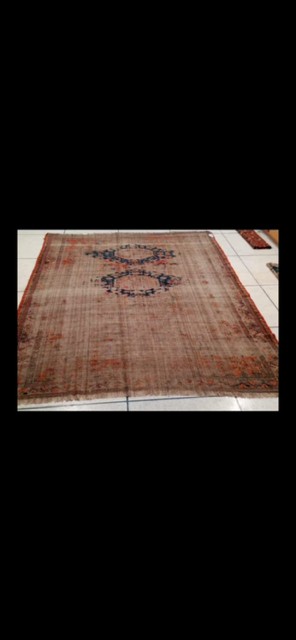
A Caucausian sumac of this quality is threadbare and quite valuable. The rug in its former condition was destroyed and there were remnants of the original medallions throughout the field and borders. This rug was from the 1800's and is over 200 years old. The fringe and binding was tearing apart and the field was also worn.

The first image shows the rug in very poor condition with fringe and binding work required as it was fraying. The second image shows how this Persian Sumac rug has been restored to its original condition with fringe and binding that comports to the design and era such as adding tea stained fringe implants to the rug as that was the proper fringe that was of that 19th century period. Additionally Jafri Rug restoration sheared this rug to even out the wool on the pile of the rug and added binding that prevents the wool from unraveling any further into the field of the rug and Jafri Rug restoration did the following work:

-Reweaving worn areas where warp and weft is showing

-Refringing as the fringe is torn off

-Rebinding as the binding is unraveling

-Vegetable dyes are fading

-Field of the rug is also showing unevenness in the wool pile

Given the age and value of the rug, this is a rug that should not be sent to any rug store, but should go to Jafri Rug restoration as the weavers are specifically skilled to repair these threadbare rugs and understand the motifs and match the wool dye lot for dye lot. The artistry will maintain the antiquity of the rug and will not make it look newly made and will also raise the value of the rug.

Jafri Rug restoration fixed the rug by doing the following:

1. Assessment and Inspection:

Condition Check: Inspect the rug thoroughly for signs of wear, including fraying edges, missing or damaged knots, stains, or fading. This is essential to assess the scope of restoration work needed.

Fabric Type: Identify the materials used (wool, silk, etc.) to ensure the correct restoration techniques and materials are used.

Color Matching: Persian rugs often feature vibrant and intricate color schemes. Color matching is important for any repairs to ensure the restoration blends seamlessly with the original.

2. Cleaning:

Gentle Cleaning: Before restoration, the rug is cleaned to remove dirt and stains. This is typically done by hand or machine using organic olive oil shampoo foam to cleanse the rug and techniques that preserve the integrity of the fibers.

Drying: After cleaning, the rug must be carefully dried to prevent any damage or shrinkage.

3. Repairing Damaged Areas:

Reweaving/Knots: If there are missing or damaged knots, the missing sections will be re-woven by hand. Skilled weavers use the same knotting technique that was used in the original rug to ensure consistency.

Fringe Repair: If the fringe is damaged or missing, it can be reattached or replaced using matching fibers.

Edge Repair: The rug’s edges may become frayed over time. A repair may involve re-binding the edges to prevent further unraveling.

4. Color Restoration:

If the rug has areas with faded or discolored sections, dyes matching the original colors may be applied to restore the vibrancy. This requires careful attention to detail to blend the colors seamlessly.

September 01, 2025 | Kingston, NY

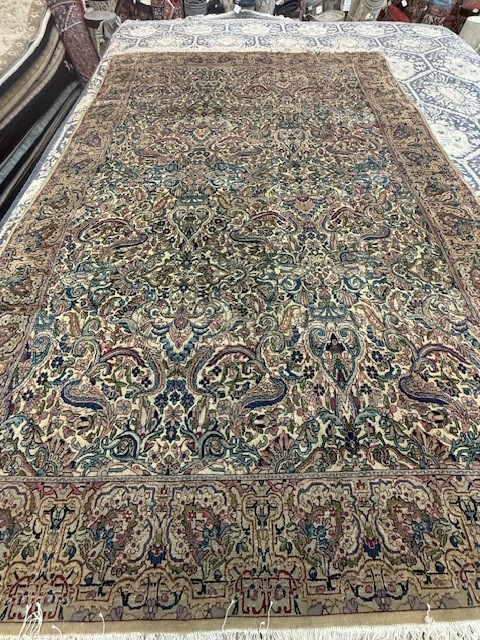
This is an example of a Lavar Kerman timeless masterpiece rug made in Iran. This rug is no longer able to be produced on the loom. It is over a century old. A rug of this quality comes from the finest weavers of Iran from the town of Lavar but the rug had enormous wear and was destroyed in numerous areas. This type of work can only be performed by hand and Jafri Rug's weavers are skilled artisans who understand the curvilinear characteristics of the rug and can reweave into the wool without making the rug look new. The time to restore this rug took approx 6 months.

Picture 1 shows the pre-restoration work where the rug was showing as worn and the fringe and binding was unraveling and the color was faded.

Picture 2 shows the post-restoration work where the rug was completely rewoven and color restoration was treated on the rug.

Jafri Rug restoration repaired this rug by doing the following:

Pre-Repair Cleaning

  • Adeep cleaningis performed before repairs to remove dirt, oils, and debris that interfere with repair work.
  • Includes:
    • Dusting (front and back)
    • Gentle hand washing with pH-neutral detergents
    • Rinsing and drying in a temperature-controlled environment

Structural Repairs

These are the most critical to maintain rug integrity:

a. Edge Repair (Overcasting or Binding)

  • Rewrap or rebind fraying edges to prevent unraveling.
  • Uses matching wool or cotton thread.
  • Restores tension and keeps the weft and warp from separating.

b. Fringe Repair or Replacement

  • Stabilizes or reconstructs the fringe (often the warp threads).
  • May involve:
    • Tying off loose fringe
    • Sewing in new fringe sections
    • Weaving new fringes into the foundation

c. Hole or Tear Repair

  • Small holes: patched and reinforced from the back.
  • Larger holes or tears: require reweaving the foundation (warp and weft), then tying new knots to match the original pattern.

4. Pile Reweaving / Pattern Reconstruction

  • Rebuilds worn or missing areas by hand-knotting new wool or silk into the structure.
  • Requires:
    • Color-matching wool (often hand-dyed)
    • Matching theknot density, knot type (Turkish or Persian), and pattern
  • Done by experienced weavers to ensure seamless blending with the original design.

5. Color Restoration

  • In areas where colors have faded or bled, restorers may:
    • Touch up color with textile-safe dyes where there is already wool shown in the pile but requires blending of color for consistency in the rug's colors
    • Avoid painting, which can damage fibers over time

6. Shearing & Grooming

  • After repairs, the pile is carefully sheared to match surrounding areas.
  • Helps ensure a consistentpile heightand finish.
  • Brushing aligns the nap and improves visual consistency.

7. Blocking & Reshaping

  • If the rug is warped or misshapen:
    • It's dampened and laid flat under weight or pinned.
    • Dried under tension to restore its original shape and prevent buckling.

8. Final Cleaning & Inspection

  • A final surface clean removes any dust or fibers from the repair.
  • Inspection ensures:
    • Seamless repairs
    • Color and texture matches
    • Edges are secure and the rug lies flat
Reviews From Our Customers
Call Us For Your Free Pickup & Delivery Today!
518-201-1191
Arrow