Jafri Oriental Rug Cleaning Logo
Free Pick-up & Delivery
Contact Us
Call Us Now
518-201-1191

Oriental & Area Rug Cleaning and Repair in Frankfort

We serve customers in New York, Connecticut, Vermont & Massachusetts.

For 42 years, Jafri Oriental Rugs has been recognized as the provider of the best and most comprehensive area rug cleaning & protection services in Frankfort and throughout New York, Massachusetts, Vermont & Connecticut& areas that we serve. Our IICRC-certified technicians use cutting-edge technology, time-tested cleaning methods, pet-safe cleaning products, and eco-friendly protection processes for your Oriental rugs and other fine textiles.

20% Sale on Rug Cleaning and Repair

All pricing estimates include the 20% discount automatically

Among the primary services we provide for customers in Frankfort include:
Rug Cleaning

Rug Cleaning

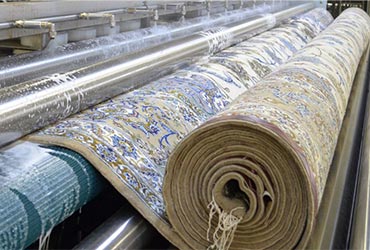
Our crews clean all types of area rugs, removing tough stains from fine word rug.

Rug Cleaning Process
Rug Repair

Rug Repair

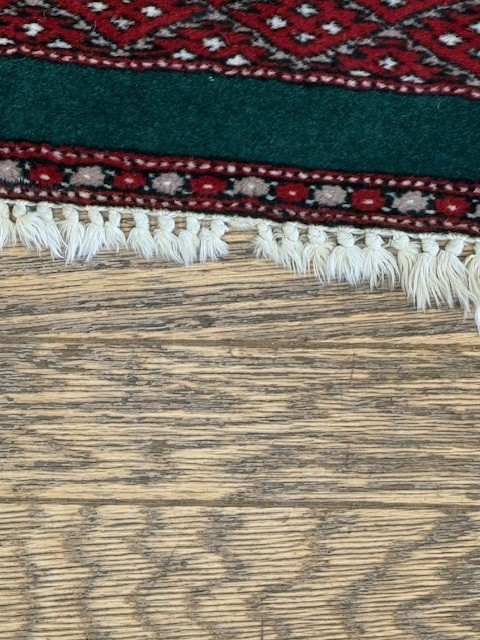
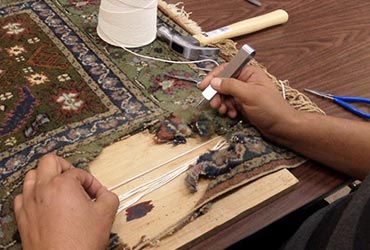
We perform fringe repair, color correction, binding repair & rug restoration services.

About Rug Repair
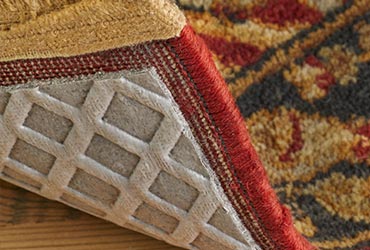
Rug Pads

Rug Pads

We offer custom-sized rug pads to enhance and protect your heirloom & antique rugs.

About Rug Pads
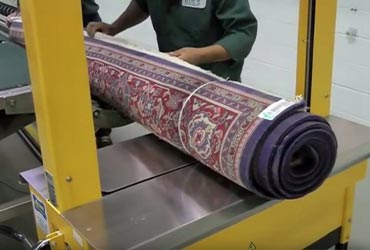
Free Pick-up & Delivery

Free Pick-up & Delivery

For cleaning, repair, and other services, we pick up and return your rug at no charge. 

Contact Us

From cleaning & maintenance to protection & storage, we can handle all aspects of your rug-related needs in the Greater Albany area. Your fine textiles will be safe, secure, clean, and protected from all perils while in the hands of our IICRC-certified specialists. We treat each rug with the individual care and custom cleaning and protection services required for each type of rug fiber:& wool, cotton, jute, silk, sisal, polyester, nylon, acrylic, and more. When you need our help, give us a call at 518-201-1191 today!

Types of Rugs We Clean in Frankfort

We clean a wide variety of rugs for customers in Frankfort.
The list includes:
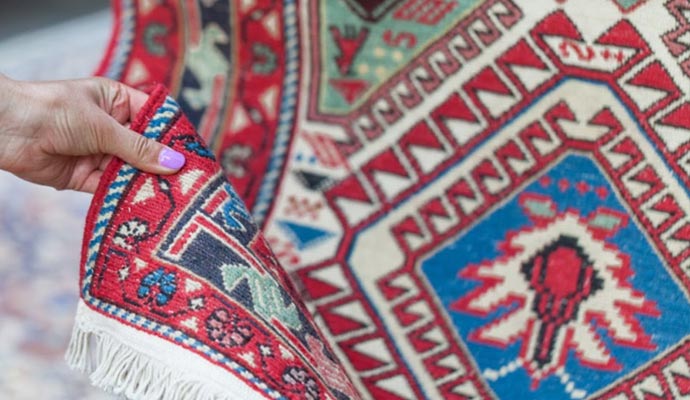
And Many More!

Oriental & Area Rug Cleaning and Protection Services in  New York, Massachusetts, Vermont & Connecticut by Jafri Rug Cleaning

Our Rug Cleaning Process in Frankfort

When it is time to clean your Oriental or area rug in Frankfort, our step-by-step process includes:
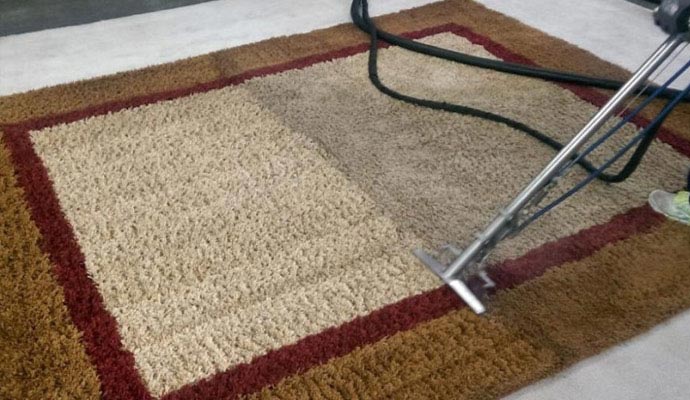
Rug Cleaning Before & After
  • Consultation: We meet with you to inspect your rug and determine the best possible eco-friendly cleaning method.

  • Dusting: Because rugs are designed to hide dirt, we remove deep-seated dust and dirt with our unique dusting approach.

  • Preconditioning Treatment: We customize a special treatment for each rug to assure the safest, most eco-friendly cleaning options are used.

  • Spot & Fringe Prep: We identify and treat visible spots & stains while preparing the rug fringe for treatment.

  • Shampoo: Using an ideal rug shampooing treatment designed for your rug, we clean thoroughly while maintaining the integrity of delicate fibers.

  • Rinse: We remove all excess dirt and soap from the rug carefully and safely.

Once the rug is dry, it is returned to the customer.

Trust Us to Clean & Protect Your Oriental Rug in Frankfort

To get the best available rug cleaning, rug maintenance, rug protection, and rug storage services for customers in Frankfort and throughout Upstate New York, you need to contact the proven professionals from Jafri Oriental Rugs. For the past four decades, we have handled all aspects of your rug-related needs when it comes to cleaning, repairing and restoring fine textiles in Frankfort. To learn more about our services, give us a call at 518-201-1191 or click here to make an appointment today!
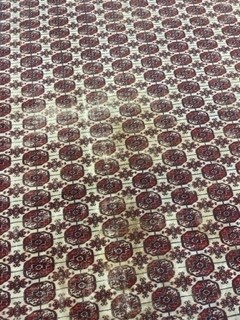
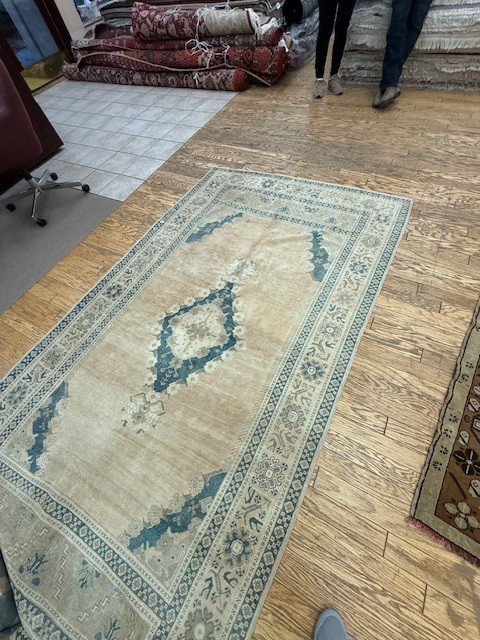
Completed Jobs from Frankfort and Surrounding Areas

See All

January 31, 2025 | Frankfort, NY

Jafri Rug restoration did the following: Cleaning: Gentle Cleaning is essential for preserving the fibers and colors. Using harsh chemicals or cleaning methods can cause the colors to fade or damage the wool. Professional dry cleaning or washing with mild soaps and water is recommended. Vacuuming with a low-suction vacuum is often used to remove dirt and dust without disturbing the delicate fibers. Repairing Damaged Areas: Reweaving is required for areas with wear, holes, or fraying. Skilled artisans will carefully match the original design and weave to restore damaged sections without altering the original look. Edge Repairs: The edges need reinforcement to prevent fraying and maintain their structure.

November 13, 2025 | Paris, NY

Given the age and value of the rug, this is a rug that should not be sent to any rug store, but should go to Jafri Rug restoration as the weavers are specifically skilled to repair these threadbare rugs and understand the motifs and match the wool dye lot for dye lot. The artistry will maintain the antiquity of the rug and will not make it look newly made and will also raise the value of the rug.


Pre-Repair Cleaning

  • A deep cleaning is performed before repairs to remove dirt, oils, and debris that interfere with repair work.
  • Includes:
    • Dusting (front and back)
    • Gentle hand washing with pH-neutral detergents so as not to erode the fibers of the rug
    • Rinsing and drying in a temperature-controlled environment


Structural Repairs

These are the most critical to maintain rug integrity:

a. Edge Repair (Overcasting or Binding)

  • Rewrap or rebind fraying edges to prevent unraveling.
  • Uses matching wool or cotton thread.
  • Restores tension and keeps the weft and warp from separating.

b. Fringe Repair or Replacement

  • Stabilizes or reconstructs the fringe (often the warp threads).
  • May involve:
    • Tying off loose fringe
    • Sewing in new fringe sections
    • Weaving new fringes into the foundation

c. Hole or Tear Repair

  • Small holes: patched and reinforced from the back.
  • Larger holes or tears: require reweaving the foundation (warp and weft), then tying new knots to match the original pattern.


4. Pile Reweaving / Pattern Reconstruction

  • Rebuilds worn or missing areas by hand-knotting new wool or silk into the structure.
  • Requires:
    • Color-matching wool (often hand-dyed)
    • Matching the knot density, knot type (Turkish or Persian), and pattern
  • Done by experienced weavers to ensure seamless blending with the original design.


5. Color Restoration

  • In areas where colors have faded or bled, restorers may:
    • Touch up color with textile-safe dyes where there is already wool shown in the pile but requires blending of color for consistency in the rug’s colors
    • Avoid painting, which can damage fibers over time


 6. Shearing & Grooming

  • After repairs, the pile is carefully sheared to match surrounding areas.
  • Helps ensure a consistent pile height and finish.
  • Brushing aligns the nap and improves visual consistency.


 7. Blocking & Reshaping

  • If the rug is warped or misshapen:
    • It’s dampened and laid flat under weight or pinned.
    • Dried under tension to restore its original shape and prevent buckling.


8. Final Cleaning & Inspection

  • A final surface clean removes any dust or fibers from the repair.
  • Inspection ensures:
    • Seamless repairs
    • Color and texture matches
    • Edges are secure and the rug lies flat

January 12, 2026 | Utica, NY

1. Inspection and Assessment


  • The
    first step in Jafri Rugs restoration is a detailed inspection to assess
    the extent of the damage. This includes evaluating areas of wear,
    unraveling threads, fading colors, and any holes or tears in the rug.
    Special attention is given to preserving the original design and integrity
    of the stitching.


2. Cleaning Before Restoration


  • Before
    any restoration work begins, the rug must be cleaned thoroughly. Cleaning
    ensures that any accumulated dirt or stains are removed so that the
    restoration work can be done on a clean surface. This also helps identify
    areas that may require special attention during the restoration process.


3. Reweaving Damaged Sections


  • Reweaving:
    If the rug has areas of missing or damaged stitches, skilled artisans can
    reweave the missing sections, matching the original patterns and colors as
    closely as possible. This requires a high level of expertise to ensure the
    new stitches blend seamlessly with the rest of the rug.


4. Fringe and Edge Repair


  • The
    fringe of a rug is often subjected to wear over time. If the fringe is
    frayed or missing, it can be reattached or replaced by hand, ensuring that
    it matches the original design and material.

  • The
    edges of the rug may also need reinforcing or re-binding if they have
    started to unravel. This can be done by re-stitching or using a similar
    material to secure the edges.


5. Dyeing and Color Restoration


  • Color
    Fading:
     Over time, the dyes in a needlepoint rug may fade due to
    exposure to sunlight, wear, or improper cleaning. Skilled restoration
    experts can re-dye the affected areas using professional, colorfast dyes
    to restore the rug’s original hues.

  • Matching
    Colors:
     When dyeing a rug, it’s critical to match the colors exactly
    to ensure that the restoration is seamless. This process is usually done
    by hand to ensure accuracy.


6. Final Inspection


  • Once
    all the restoration work is completed, a final inspection is conducted to
    ensure the rug is restored to its original condition. The rug is checked
    for any missed areas, color inconsistencies, or stitching issues that may
    need to be addressed before it’s returned.

July 27, 2026 | Utica, NY

For this rug Jafri Rugs will do the following:

The Jafri Oriental Rugs Cleaning, Fringe implant and binding process is a meticulous restoration technique used to repair handmade Persian, Oriental, antique, wool, and silk rugs that have suffered damage from wear, holes, tears, moths, or fire. The goal is to restore the rug while preserving its original design, structure, and value.

1. Comprehensive Inspection

Every rug begins with a detailed assessment where technicians examine:

  • Hole and tear locations
  • Missing pile or knots
  • Loose or unraveling edges
  • Fiber type (wool, silk, or cotton)
  • Knot style and density
  • Dye colors and overall condition

This inspection determines the best restoration method while protecting the rug's authenticity.

2. Professional Cleaning

Before reweaving begins, the rug is thoroughly hand washed to remove dirt, dust, and oils that can interfere with repairs. Cleaning also reveals hidden damage that may require restoration.

3. Foundation Reconstruction

If the rug's foundation has been damaged:

  • Broken warp threads are replaced.
  • Missing weft threads are reconstructed.
  • The rug's structural integrity is restored before any decorative work begins.

This step provides the framework needed for long-lasting repairs.

4. Hand Reweaving

Experienced artisans carefully recreate the damaged area by:

  • Matching the original knot type (Persian or Turkish)
  • Matching knot density
  • Using wool or silk that closely matches the original fibers
  • Reproducing intricate borders, floral motifs, medallions, and other patterns knot by knot

The objective is to make the repair blend as seamlessly as possible with the surrounding design.

5. Color Matching and Restoration

When necessary, restoration specialists:

  • Match original vegetable or chrome dye colors
  • Hand-dye replacement fibers when required
  • Blend repaired areas with the existing rug to maintain a consistent appearance

Color restoration is performed carefully to preserve the rug's original character while minimizing visible repairs.

6. Fringe and Edge Restoration

If damage extends to the rug's ends:

  • Missing or worn fringe is repaired or replaced.
  • Side bindings are reinforced or rebuilt.
  • Rug edges are secured to prevent future unraveling.

These repairs improve both the rug's appearance and its structural stability.

7. Shearing and Grooming

Once reweaving is complete:

  • The repaired pile is trimmed to match the surrounding height.
  • Fibers are brushed in the natural pile direction.
  • The repaired area is blended for a consistent texture and finish.

8. Final Inspection

Before returning the rug, technicians verify:

  • Accurate pattern reproduction
  • Secure knots and foundation
  • Proper color matching
  • Smooth, even pile height
  • Overall craftsmanship and structural integrity

The finished rug is carefully inspected to ensure the restoration meets professional quality standards.

Reweaving is one of the most specialized forms of rug restoration. By rebuilding damaged areas knot by knot using matching materials and traditional weaving techniques, Jafri Oriental Rugs aims to preserve the beauty, durability, and value of handmade Persian and Oriental rugs while extending their usable life.

Before and After Job Photos Frankfort

See All

August 01, 2025 | Utica, NY

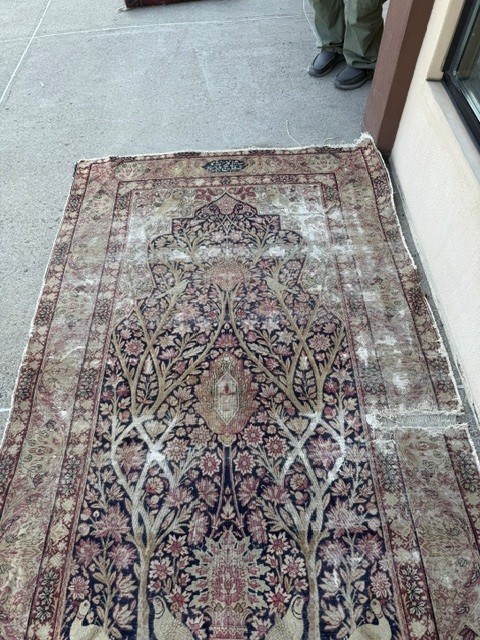
The first image shows how this circa 1900 hand knotted Kerman rug has been left in a very poor condition. This rug requires enormous attention to the following areas:

-Reweaving worn areas where warp and weft is showing

-Refringing as the fringe is torn off

-Rebinding as the binding is unraveling

-Vegetable dyes are fading

-Field of the rug is also showing unevenness in the wool pile

-Stains due to water damage and wool that is destroyed

Jafri Rugs did not perform any repair work on this rug, the second image shows cleaning and color restoration work

Reviews From Our Customers
Call Us For Your Free Pickup & Delivery Today!
518-201-1191
Arrow