Jafri Oriental Rug Cleaning Logo
Free Pick-up & Delivery
Contact Us
Call Us Now
518-201-1191

Oriental & Area Rug Cleaning and Repair in Paterson

We serve customers in New York, Connecticut, Vermont & Massachusetts.

For 42 years, Jafri Oriental Rugs has been recognized as the provider of the best and most comprehensive area rug cleaning & protection services in Paterson and throughout New York, Massachusetts, Vermont & Connecticut& areas that we serve. Our IICRC-certified technicians use cutting-edge technology, time-tested cleaning methods, pet-safe cleaning products, and eco-friendly protection processes for your Oriental rugs and other fine textiles.

20% Sale on Rug Cleaning and Repair

All pricing estimates include the 20% discount automatically

Among the primary services we provide for customers in Paterson include:
Rug Cleaning

Rug Cleaning

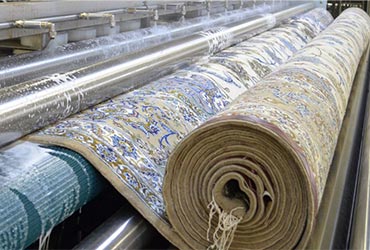
Our crews clean all types of area rugs, removing tough stains from fine word rug.

Rug Cleaning Process
Rug Repair

Rug Repair

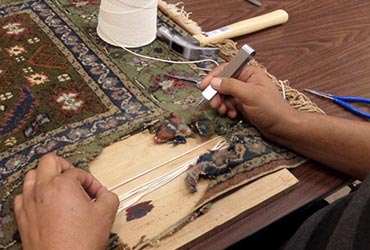
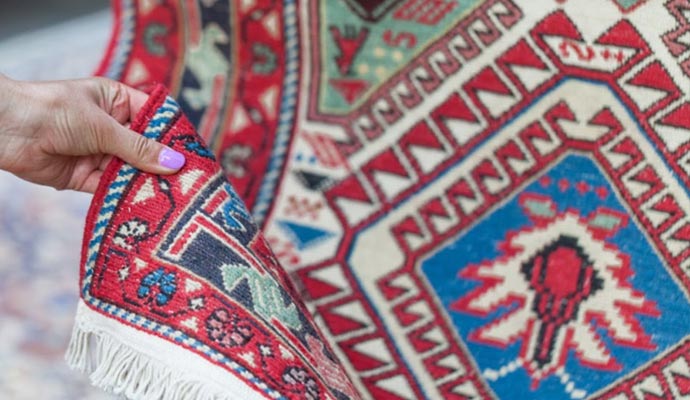
We perform fringe repair, color correction, binding repair & rug restoration services.

About Rug Repair
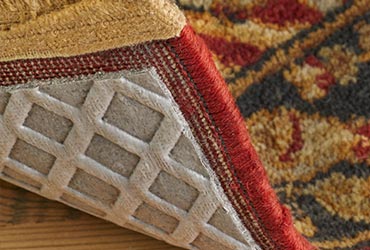
Rug Pads

Rug Pads

We offer custom-sized rug pads to enhance and protect your heirloom & antique rugs.

About Rug Pads
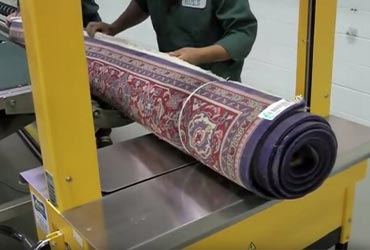
Free Pick-up & Delivery

Free Pick-up & Delivery

For cleaning, repair, and other services, we pick up and return your rug at no charge. 

Contact Us

From cleaning & maintenance to protection & storage, we can handle all aspects of your rug-related needs in the Greater Albany area. Your fine textiles will be safe, secure, clean, and protected from all perils while in the hands of our IICRC-certified specialists. We treat each rug with the individual care and custom cleaning and protection services required for each type of rug fiber:& wool, cotton, jute, silk, sisal, polyester, nylon, acrylic, and more. When you need our help, give us a call at 518-201-1191 today!

Types of Rugs We Clean in Paterson

We clean a wide variety of rugs for customers in Paterson.
The list includes:
And Many More!

Oriental & Area Rug Cleaning and Protection Services in  New York, Massachusetts, Vermont & Connecticut by Jafri Rug Cleaning

Our Rug Cleaning Process in Paterson

When it is time to clean your Oriental or area rug in Paterson, our step-by-step process includes:
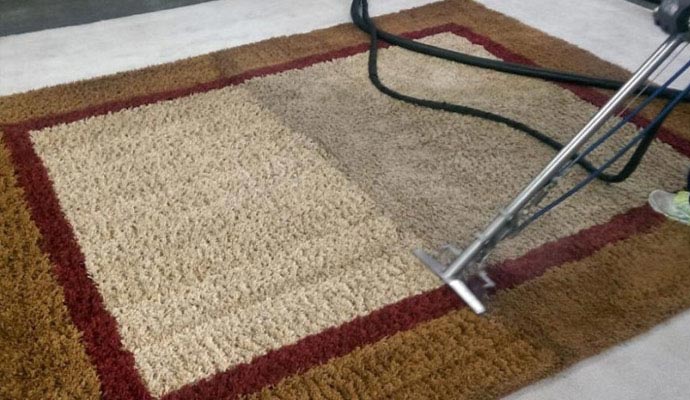
Rug Cleaning Before & After
  • Consultation: We meet with you to inspect your rug and determine the best possible eco-friendly cleaning method.

  • Dusting: Because rugs are designed to hide dirt, we remove deep-seated dust and dirt with our unique dusting approach.

  • Preconditioning Treatment: We customize a special treatment for each rug to assure the safest, most eco-friendly cleaning options are used.

  • Spot & Fringe Prep: We identify and treat visible spots & stains while preparing the rug fringe for treatment.

  • Shampoo: Using an ideal rug shampooing treatment designed for your rug, we clean thoroughly while maintaining the integrity of delicate fibers.

  • Rinse: We remove all excess dirt and soap from the rug carefully and safely.

Once the rug is dry, it is returned to the customer.

Trust Us to Clean & Protect Your Oriental Rug in Paterson

To get the best available rug cleaning, rug maintenance, rug protection, and rug storage services for customers in Paterson and throughout Upstate New York, you need to contact the proven professionals from Jafri Oriental Rugs. For the past four decades, we have handled all aspects of your rug-related needs when it comes to cleaning, repairing and restoring fine textiles in Paterson. To learn more about our services, give us a call at 518-201-1191 or click here to make an appointment today!
Completed Jobs from Paterson and Surrounding Areas

See All

January 21, 2025 | Paterson, NJ

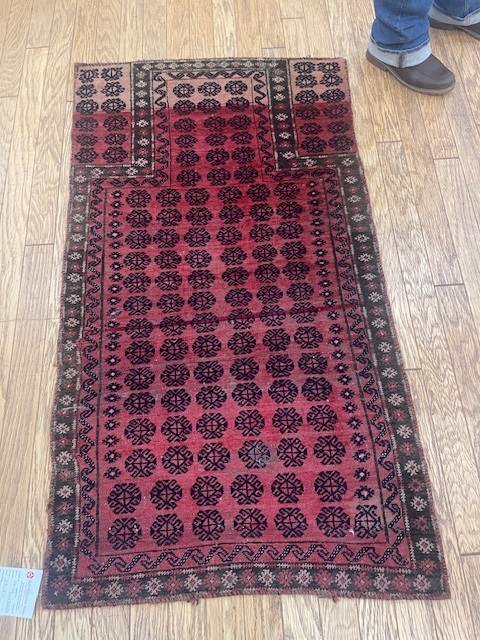
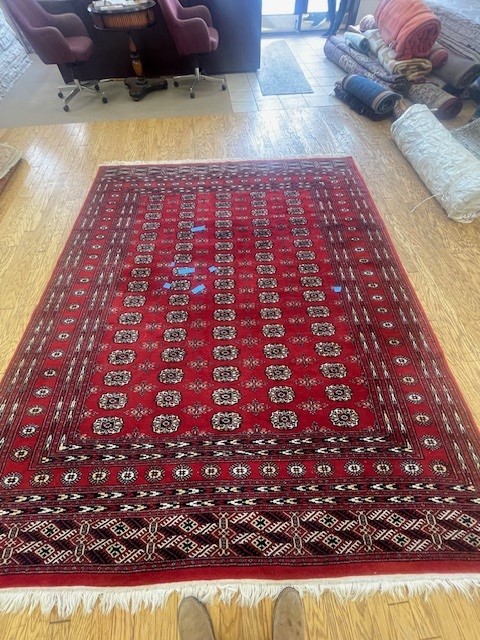
Repairing a Pakistani Bokara rug requires careful attention to detail to maintain its value and beauty. Here’s an overview of the steps involved in repairing a Pakistani/Uzbeki Bokara rug: 1. Assess the Damage Inspect the Condition: Look for signs of wear, such as holes, tears, fraying, or areas where the rug has thinned out. Check for Color Fading: Sometimes, fading due to exposure to sunlight or cleaning can be a problem that needs attention. Look at the Weaving: Check the integrity of the weave, especially in areas where the rug may have been damaged by moths or other pests. 2. Gather Necessary Materials Matching Wool or Silk Thread: Ensure you have thread in the same color and texture as the original rug fibers. Needles: A rug repair needle, which is thicker and longer than regular sewing needles, is essential. Scissors: To trim excess yarn once the repair is complete. Rug Repair Kit: Some kits come with tools for securing edges and fixing weft and warp threads. Dye: If the rug’s color has faded, you may need dyes to match the original tones. 3. Repairing a Hole or Tear Matching the Weave: Start by carefully aligning the fibers to match the original pattern. Pakistani rugs typically have a symmetrical design, so repairing with the same weaving technique (such as flatweave or pile weaving) is important for maintaining visual consistency. Sewing the Hole: For a hole, carefully stitch the surrounding fibers to the new yarn, ensuring the new yarn matches both the texture and color of the original fibers. Use a traditional weaving method for the best results. Reweaving the Pattern: When reweaving, you need to follow the same structure of the rug’s knots to maintain the consistency of the pile height and texture. 4. Fringe Repair Fringe Replacement: If the fringe is damaged or missing, it can be replaced by tying new fringe fibers. Typically, Pakistani rugs have cotton or wool fringe, and the replacement should match the existing material. Securing the Fringe: Knot the new fringe securely at the end of the rug using a knotting technique that resembles the original method. 5. Rebinding the Edges Rebinding (Selvage Repair): If the edges of the rug are fraying or damaged, you can repair them by redoing the binding (selvage). Use a matching yarn and a binding technique like overcasting or stitching to secure the sides. Reinforcement: Depending on the extent of the damage, reinforcing the edges with additional stitches can help prevent further fraying.

January 21, 2025 | Woodland Park, NJ

Jafri Rug restoration will do the following to preserve the rug: 1. Pre-Cleaning Inspection Examine the Rug: Check for visible signs of damage (holes, tears, fraying) or stains. Look for areas with heavy wear or pet damage. Check Fiber Type: Identify the type of material (wool, silk, synthetic, etc.), as different materials require different cleaning methods. Colorfastness Test: Test a hidden section of the rug for color bleeding. Use a damp cloth to blot the area and check if any dye comes off. If the rug bleeds, it may need special care or professional cleaning. Fringe Condition: Inspect the fringes and edges of the rug for any fraying or damage. If necessary, repair the edges before cleaning. 2. Dry Soil and Debris Removal Vacuuming: Use a vacuum cleaner with a low suction setting (and no beater bar) to gently vacuum the front and back of the rug. This helps remove loose dirt, dust, and debris. Be especially gentle around delicate fringes. Shaking or Beating: If possible, take the rug outside and gently shake or beat it to release more embedded dirt. This step is especially useful for rugs with deep pile. Brushing: Use a soft-bristled brush to gently agitate the fibers, especially in high-traffic areas. This can help loosen dirt and debris stuck deep within the pile. 3. Spot and Stain Treatment Identify Stains: Inspect the rug for stains, spots, or odors. Treat stains immediately before they set. Wool or Synthetic Rug Stains: Use a mild detergent or rug-specific cleaner diluted in water. Apply it to the stained area using a soft cloth or sponge. Gently blot (don’t rub) the stain to lift it. For oil-based stains, a solvent-based cleaner (suitable for the material) can be used. Silk or Delicate Rugs: Use a mild silk-friendly cleaning solution or simply warm water. Avoid harsh chemicals that could damage the fibers. Dab the stained area with a damp cloth (not soaking wet) and blot gently until the stain lifts. General Rule: Always test the cleaning solution on an inconspicuous area first to ensure it doesn’t damage or fade the fibers. 4. Deep Cleaning For Wool, Synthetic, or Mixed-Fiber Rugs: Prepare Cleaning Solution: Mix lukewarm water with a mild detergent or wool-safe shampoo (for wool rugs). Never use hot water as it can shrink wool. Clean the Rug: Using a soft-bristled brush or sponge, gently scrub the rug in sections, working along the direction of the pile. This ensures that you don’t damage the fibers. Rinsing: After cleaning each section, use a clean damp cloth to wipe away excess soap or detergent, ensuring no residue remains in the rug. Avoid Soaking: Do not soak the rug in water, as excessive moisture can lead to mold or damage to the rug's structure, especially for wool and silk rugs. For Silk Rugs: Professional Cleaning Recommended: Silk rugs are delicate and may not handle water well. Professional dry cleaning or specialized rug cleaning methods are often recommended. If cleaning at home, use minimal water and a silk-safe cleaner. Always test on a hidden area first. Dry cleaning powder can be used as an alternative to water-based cleaning for delicate rugs. 5. Drying the Rug Air Drying: Never use direct heat (like a heater or blow dryer) to dry the rug, as this can cause shrinking or damage. Lay the rug flat in a well-ventilated area, preferably out of direct sunlight. Flip the Rug: Once the front side is dry, flip the rug over to allow the back to dry as well. This will help prevent mold or mildew from forming. Absorb Excess Moisture: If you’ve used a lot of water during the cleaning process, gently blot the rug with a towel to remove excess moisture before it dries completely. 6. Post-Cleaning Grooming Brushing the Pile: After the rug is dry, gently brush the pile with a soft rug brush (or a pet brush) to restore the fibers and fluff up any flattened areas. Always brush in the direction of the pile. Restoring the Silk Shine: If the rug has silk fibers, gently hand-comb the silk pile with a soft brush to restore its natural sheen and smoothness. Edge and Fringe Care: If the rug has fringes, carefully trim any loose or frayed threads, and check for signs of damage. If necessary, repair the fringes before final placement. 7. Final Inspection Check for Streaks or Residue: After the rug has dried and been brushed, inspect the surface for any soap residue or areas that may require additional spot cleaning. Examine the Edges: Ensure that the edges are intact and the fringes are not tangled or damaged. Check for Mold/Mildew: If there’s any lingering dampness, let the rug dry further in a well-ventilated area.

January 21, 2025 | Little Falls, NJ

Jafri Rugs restoration will do the following: Repairing an Afghani Bashir requires careful attention to detail to maintain its value and beauty. Here’s an overview of the steps involved in repairing an Afghani Bashir: 1. Assess the Damage Inspect the Condition: Look for signs of wear, such as holes, tears, fraying, or areas where the rug has thinned out. Check for Color Fading: Sometimes, fading due to exposure to sunlight or cleaning can be a problem that needs attention. Look at the Weaving: Check the integrity of the weave, especially in areas where the rug may have been damaged by moths or other pests. 2. Gather Necessary Materials Matching Wool or Silk Thread: Ensure you have thread in the same color and texture as the original rug fibers. Needles: A rug repair needle, which is thicker and longer than regular sewing needles, is essential. Scissors: To trim excess yarn once the repair is complete. Rug Repair Kit: Some kits come with tools for securing edges and fixing weft and warp threads. Dye: If the rug’s color has faded, you may need dyes to match the original tones. 3. Repairing a Hole or Tear Matching the Weave: Start by carefully aligning the fibers to match the original pattern. Afghani rugs typically have a symmetrical design, so repairing with the same weaving technique (such as flatweave or pile weaving) is important for maintaining visual consistency. Sewing the Hole: For a hole, carefully stitch the surrounding fibers to the new yarn, ensuring the new yarn matches both the texture and color of the original fibers. Use a traditional weaving method for the best results. Reweaving the Pattern: When reweaving, you need to follow the same structure of the rug’s knots to maintain the consistency of the pile height and texture. 4. Fringe Repair Fringe Replacement: If the fringe is damaged or missing, it can be replaced by tying new fringe fibers. Typically, Afghani rugs have cotton or wool fringe, and the replacement should match the existing material. Securing the Fringe: Knot the new fringe securely at the end of the rug using a knotting technique that resembles the original method. 5. Rebinding the Edges Rebinding (Selvage Repair): If the edges of the rug are fraying or damaged, you can repair them by redoing the binding (selvage). Use a matching yarn and a binding technique like overcasting or stitching to secure the sides. Reinforcement: Depending on the extent of the damage, reinforcing the edges with additional stitches can help prevent further fraying.

Before and After Job Photos Paterson

See All

July 22, 2025 | Red Hook, NY

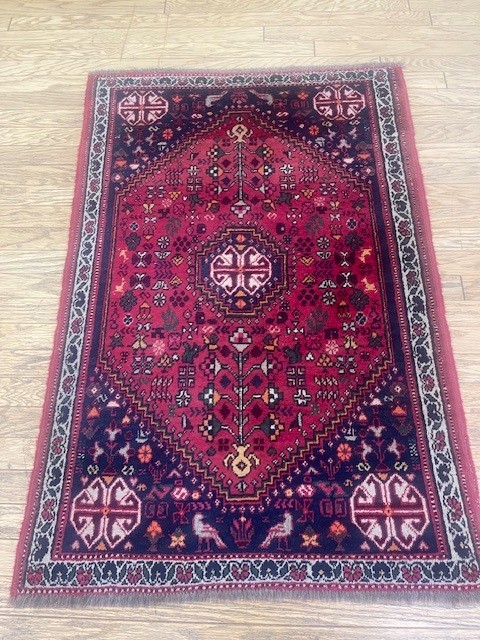
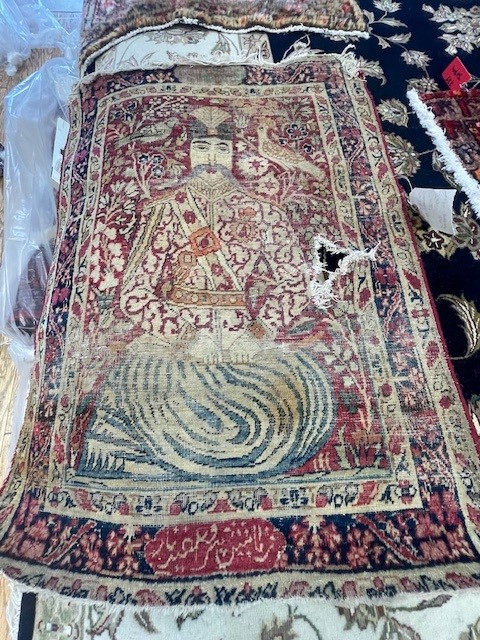
The first image shows the rug in very poor condition with fringe and binding work required as it was fraying. The second image shows how this Persian Shiraz rug has been restored to its original condition with fringe and binding that comports to the design and era such as adding tea stained fringe implants to the rug as that was the proper fringe that was of that circa 1900 period. Additionally Jafri Rug restoration sheared this rug to even out the wool on the pile of the rug and added binding that prevents the wool from unraveling any further into the field of the rug and Jafri Rug restoration did the following work:

-Reweaving worn areas where warp and weft is showing

-Refringing as the fringe is torn off

-Rebinding as the binding is unraveling

-Vegetable dyes are fading

-Field of the rug is also showing unevenness in the wool pile

Given the age and value of the rug, this is a rug that should not be sent to any rug store, but should go to Jafri Rug restoration as the weavers are specifically skilled to repair these threadbare rugs and understand the motifs and match the wool dye lot for dye lot. The artistry will maintain the antiquity of the rug and will not make it look newly made and will also raise the value of the rug.

Jafri Rug restoration fixed the rug by doing the following:

1. Assessment and Inspection:

Condition Check: Inspect the rug thoroughly for signs of wear, including fraying edges, missing or damaged knots, stains, or fading. This is essential to assess the scope of restoration work needed.

Fabric Type: Identify the materials used (wool, silk, etc.) to ensure the correct restoration techniques and materials are used.

Color Matching: Persian rugs often feature vibrant and intricate color schemes. Color matching is important for any repairs to ensure the restoration blends seamlessly with the original.

2. Cleaning:

Gentle Cleaning: Before restoration, the rug is cleaned to remove dirt and stains. This is typically done by hand or machine using organic olive oil shampoo foam to cleanse the rug and techniques that preserve the integrity of the fibers.

Drying: After cleaning, the rug must be carefully dried to prevent any damage or shrinkage.

3. Repairing Damaged Areas:

Reweaving/Knots: If there are missing or damaged knots, the missing sections will be re-woven by hand. Skilled weavers use the same knotting technique that was used in the original rug to ensure consistency.

Fringe Repair: If the fringe is damaged or missing, it can be reattached or replaced using matching fibers.

Edge Repair: The rug's edges may become frayed over time. A repair may involve re-binding the edges to prevent further unraveling.

4. Color Restoration:

If the rug has areas with faded or discolored sections, dyes matching the original colors may be applied to restore the vibrancy. This requires careful attention to detail to blend the colors seamlessly.

Reviews From Our Customers
Call Us For Your Free Pickup & Delivery Today!
518-201-1191
Arrow