
Mr Jafri is a pleasure to do business with. His workers have cleaned and repaired several of my rugs. The quality of work was excellent, and it was completely in a timely manner.
Oriental & Area Rug Cleaning and Repair in Kingsboro
We serve customers in New York, Connecticut, Vermont & Massachusetts.
For 42 years, Jafri Oriental Rugs has been recognized as the provider of the best and most comprehensive area rug cleaning & protection services in Kingsboro and throughout New York, Massachusetts, Vermont & Connecticut& areas that we serve. Our IICRC-certified technicians use cutting-edge technology, time-tested cleaning methods, pet-safe cleaning products, and eco-friendly protection processes for your Oriental rugs and other fine textiles.
20% Sale on Rug Cleaning and Repair
All pricing estimates include the 20% discount automatically
Among the primary services we provide for customers in Kingsboro include:
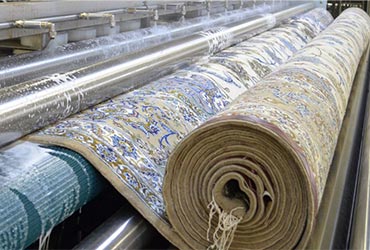
Rug Cleaning
Our crews clean all types of area rugs, removing tough stains from fine word rug.
Rug Cleaning Process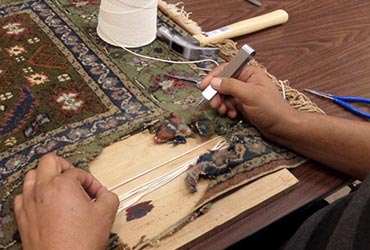
Rug Repair
We perform fringe repair, color correction, binding repair & rug restoration services.
About Rug Repair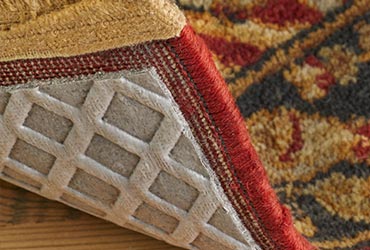
Rug Pads
We offer custom-sized rug pads to enhance and protect your heirloom & antique rugs.
About Rug Pads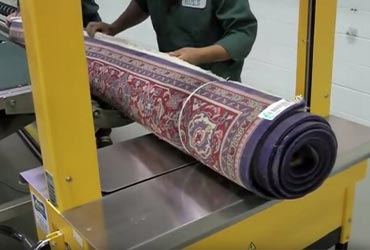
Free Pick-up & Delivery
For cleaning, repair, and other services, we pick up and return your rug at no charge.
Contact UsFrom cleaning & maintenance to protection & storage, we can handle all aspects of your rug-related needs in the Greater Albany area. Your fine textiles will be safe, secure, clean, and protected from all perils while in the hands of our IICRC-certified specialists. We treat each rug with the individual care and custom cleaning and protection services required for each type of rug fiber:& wool, cotton, jute, silk, sisal, polyester, nylon, acrylic, and more. When you need our help, give us a call at 518-201-1191 today!
Types of Rugs We Clean in Kingsboro
We clean a wide variety of rugs for customers in Kingsboro.
The list includes:
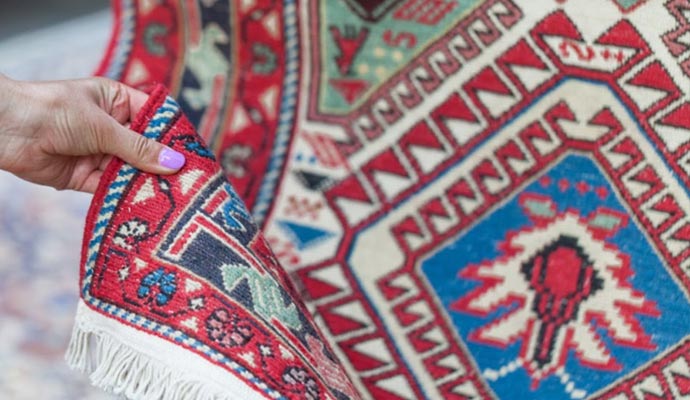
Our Rug Cleaning Process in Kingsboro
When it is time to clean your Oriental or area rug in Kingsboro, our step-by-step process includes:
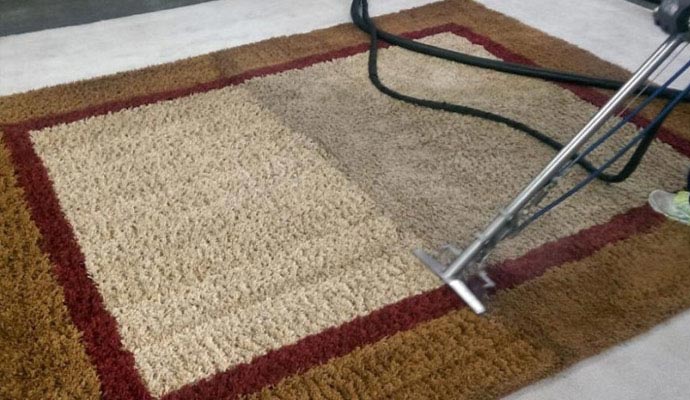
-
Consultation: We meet with you to inspect your rug and determine the best possible eco-friendly cleaning method.
-
Dusting: Because rugs are designed to hide dirt, we remove deep-seated dust and dirt with our unique dusting approach.
-
Preconditioning Treatment: We customize a special treatment for each rug to assure the safest, most eco-friendly cleaning options are used.
-
Spot & Fringe Prep: We identify and treat visible spots & stains while preparing the rug fringe for treatment.
-
Shampoo: Using an ideal rug shampooing treatment designed for your rug, we clean thoroughly while maintaining the integrity of delicate fibers.
-
Rinse: We remove all excess dirt and soap from the rug carefully and safely.
Once the rug is dry, it is returned to the customer.
Trust Us to Clean & Protect Your Oriental Rug in Kingsboro
To get the best available rug cleaning, rug maintenance, rug protection, and rug storage services for customers in Kingsboro and throughout Upstate New York, you need to contact the proven professionals from Jafri Oriental Rugs. For the past four decades, we have handled all aspects of your rug-related needs when it comes to cleaning, repairing and restoring fine textiles in Kingsboro. To learn more about our services, give us a call at 518-201-1191 or click here to make an appointment today!
Our customers love us!
See All 46 Reviews
Customer Reviews from Kingsboro and Surrounding Areas
( 5
from 12 reviews )
Happy Customers across Kingsboro and Surrounding Areas
Completed Jobs from Kingsboro and Surrounding Areas
See All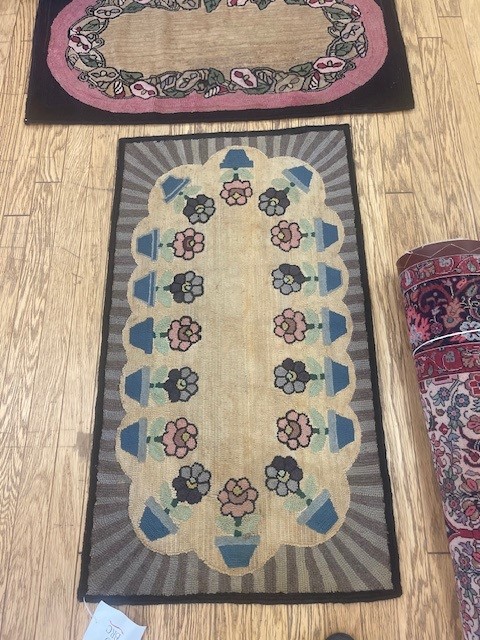
February 24, 2025 | Kingsboro, NY
1. Inspection and Assessment
• The first step in restoration is a detailed inspection to assess the extent of the damage. This includes evaluating areas of wear, unraveling threads, fading colors, and any holes or tears in the rug. Special attention is given to preserving the original design and integrity of the stitching.
2. Cleaning Before Restoration
• Before any restoration work begins, the rug must be cleaned thoroughly. Cleaning ensures that any accumulated dirt or stains are removed so that the restoration work can be done on a clean surface. This also helps identify areas that may require special attention during the restoration process.
3. Reweaving or Patching Damaged Sections
• Reweaving: If the rug has areas of missing or damaged stitches, skilled artisans can reweave the missing sections, matching the original patterns and colors as closely as possible. This requires a high level of expertise to ensure the new stitches blend seamlessly with the rest of the rug.
• Patching: In cases of extensive damage, a patch may be applied to restore the rug. This patch is typically made from the same or similar material to the original rug and is carefully stitched into place. Patches are often used when reweaving would be too complex or when a larger section of the rug has been compromised.
4. Fringe and Edge Repair
• The fringe of a needlepoint rug is often subjected to wear over time. If the fringe is frayed or missing, it can be reattached or replaced by hand, ensuring that it matches the original design and material.
• The edges of the rug may also need reinforcing or re-binding if they have started to unravel. This can be done by re-stitching or using a similar material to secure the edges.
5. Dyeing and Color Restoration
• Color Fading: Over time, the dyes in a needlepoint rug may fade due to exposure to sunlight, wear, or improper cleaning. Skilled restoration experts can re-dye the affected areas using professional, colorfast dyes to restore the rug’s original hues.
• Matching Colors: When dyeing a rug, it’s critical to match the colors exactly to ensure that the restoration is seamless. This process is usually done by hand to ensure accuracy.
6. Reblocking and Reshaping
• After cleaning and restoration, the rug may need to be reblocked. This involves stretching the rug back into its original shape. Needlepoint rugs can lose their shape over time, especially if they have been rolled or folded. Reblocking ensures the rug lies flat and retains its intended appearance.
7. Final Inspection
• Once all the restoration work is completed, a final inspection is conducted to ensure the rug is restored to its original condition. The rug is checked for any missed areas, color inconsistencies, or stitching issues that may need to be addressed before it’s returned.
February 18, 2025 | Johnstown, NY
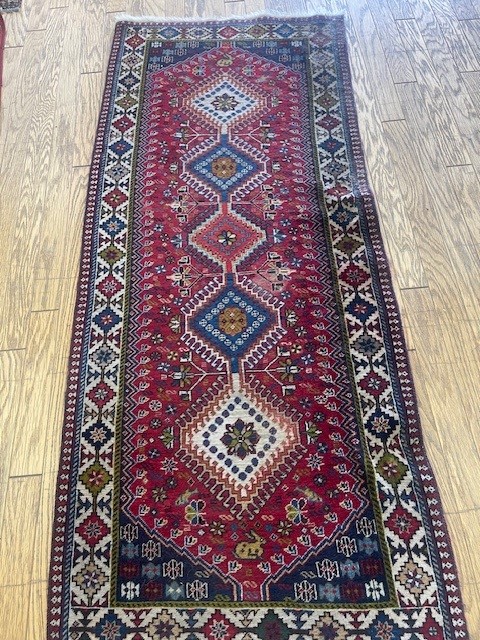
Cleaning:
Gentle Cleaning is essential for preserving the fibers and colors. Using harsh chemicals or cleaning methods can cause the colors to fade or damage the wool. Professional dry cleaning or washing with mild soaps and water is recommended.
Vacuuming with a low-suction vacuum is often used to remove dirt and dust without disturbing the delicate fibers.
Repairing Damaged Areas:
Reweaving is required for areas with wear, holes, or fraying. Skilled artisans will carefully match the original design and weave to restore damaged sections without altering the original look.
Edge Repairs: The edges need reinforcement to prevent fraying and maintain their structure.
Padding should be cut to protect the warp and weft
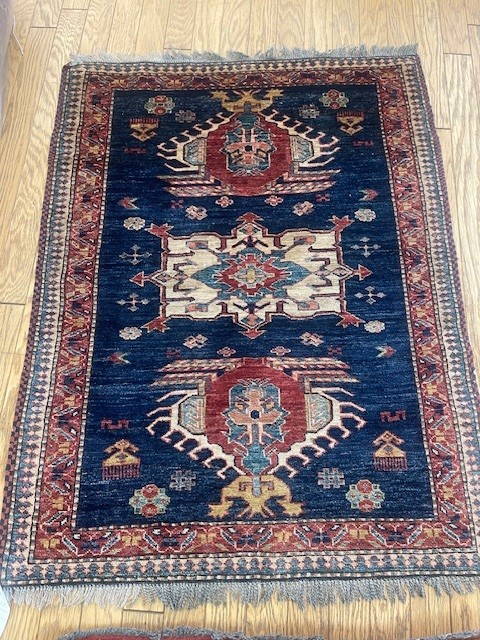
February 18, 2025 | Bleecker, NY
Jafri Rugs will make sure to do the following:
Apply an antique wash to the rug where the rug will be soaked for days and then dusted
Repair all the fringe and binding work
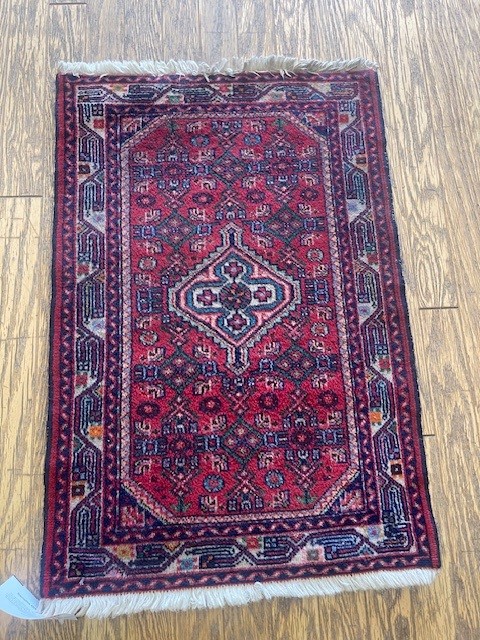
February 18, 2025 | Gloversville, NY
Cleaning:
Gentle Cleaning is essential for preserving the fibers and colors. Using harsh chemicals or cleaning methods can cause the colors to fade or damage the wool. Professional dry cleaning or washing with mild soaps and water is recommended.
Vacuuming with a low-suction vacuum is often used to remove dirt and dust without disturbing the delicate fibers.
Repairing Damaged Areas:
Reweaving is required for areas with wear, holes, or fraying. Skilled artisans will carefully match the original design and weave to restore damaged sections without altering the original look.
Edge Repairs: The edges need reinforcement to prevent fraying and maintain their structure.
Padding should be cut to protect the warp and weft
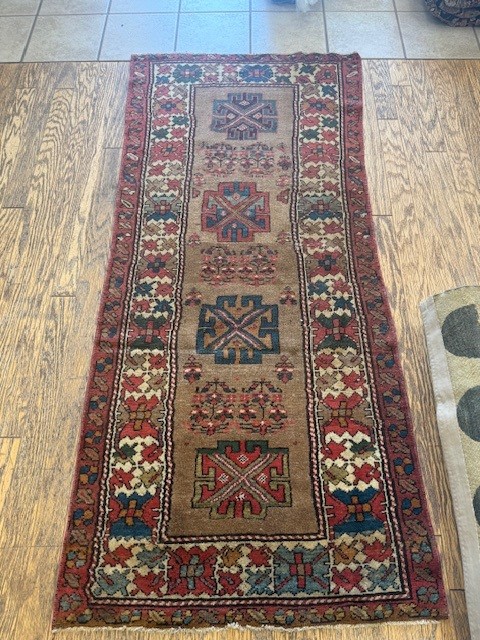
August 30, 2025 | Gloversville, NY
Jafri Rug restoration fixed this rug by doing the following:
Inspection
-
Check for damage: Look for worn areas, holes, moth damage, or weak foundation.
-
Document condition: Take photos for before/after comparison and note any specific concerns.
Pre-Repair Cleaning
- A deep cleaning is performed before repairs to remove dirt, oils, and debris that interfere with repair work.
-
Includes:
- Dusting (front and back)
- Gentle hand washing with pH-neutral detergents
- Rinsing and drying in a temperature-controlled environment
- Olive oil shampoo applied to lather the rug and bring back original color of the rug
Structural Repairs
These are the most critical to maintain rug integrity:
a. Edge Repair (Overcasting or Binding)
- Rewrap or rebind fraying edges to prevent unraveling.
- Uses matching wool or cotton thread.
- Restores tension and keeps the weft and warp from separating.
b. Fringe Repair or Replacement
- Stabilizes or reconstructs the fringe (often the warp threads).
-
May involve:
- Tying off loose fringe
- Sewing in new fringe sections
- Weaving new fringes into the foundation
c. Hole or Tear Repair
- Small holes: patched and reinforced from the back.
- Larger holes or tears: require reweaving the foundation (warp and weft), then tying new knots to match the original pattern.
4. Pile Reweaving / Pattern Reconstruction
- Rebuilds worn or missing areas by hand-knotting new wool or silk into the structure.
-
Requires:
- Color-matching wool (often hand-dyed)
- Matching the knot density, knot type (Turkish or Persian), and pattern
- Done by experienced weavers to ensure seamless blending with the original design.
5. Color Restoration
-
In areas where colors have faded or bled, restorers may:
- Touch up color with textile-safe dyes where there is already wool shown in the pile but requires blending of color for consistency in the rug's colors
- Avoid painting, which can damage fibers over time
6. Shearing & Grooming
- After repairs, the pile is carefully sheared to match surrounding areas.
- Helps ensure a consistent pile height and finish.
- Brushing aligns the nap and improves visual consistency.
7. Blocking & Reshaping
-
If the rug is warped or misshapen:
- It's dampened and laid flat under weight or pinned.
- Dried under tension to restore its original shape and prevent buckling.
8. Final Cleaning & Inspection
- A final surface clean removes any dust or fibers from the repair.
-
Inspection ensures:
- Seamless repairs
- Color and texture matches
- Edges are secure and the rug lies flat
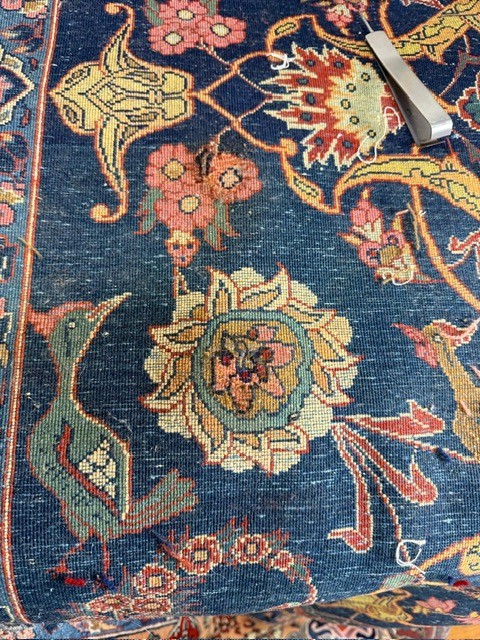
January 31, 2026 | Johnstown, NY
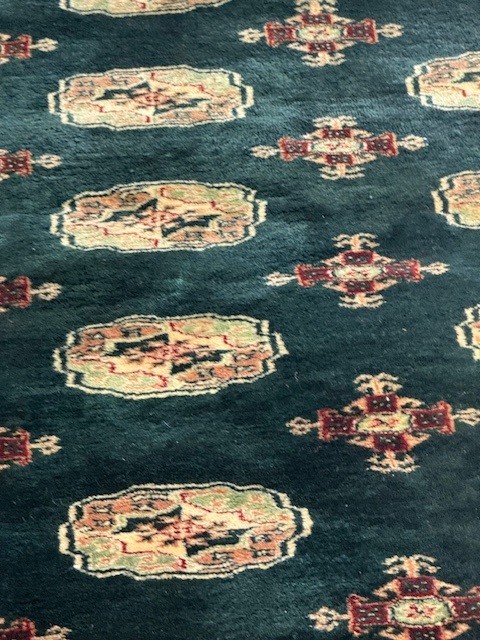
The rug has been fixed following enormous precision and attention to detail for the reweaving of the floral motifs. The artistry comes with maintaining the antiquity of the rug by using the same wool and vegetable dyes.
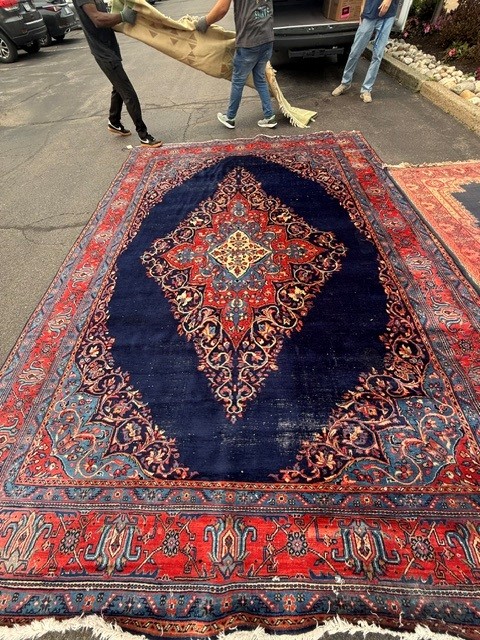
Refer to picture 3 for the post-restoration work
Jafri Rug restoration fixed this rug entirely and raised the value of the rug by doing the following:
1.Inspection and Identification: Jafri Rugs carefully inspected to assess the extent of the moth damage. This involves checking the front and back of the rug for signs of infestation.
· Moth Treatment: The rug would be treated to eliminate any remaining moths and eggs. This usually involves a deep fumigation process using eco-friendly chemicals or freezing the rug to kill any pests.
· Re-weaving or Repairing Damaged Areas: The affected areas would likely require Jafri’s weavers reweaving the entire field. The damaged wool would be carefully removed, and new wool fibers, typically dyed to match the original, would be woven into the affected areas to restore the rug's appearance.
2. Worn and Faded Areas of the rug
As an example the medallion is a central feature in Persian rugs, and significant wear or fading can take away from the rug’s beauty and value.
· Color Restoration: To restore the faded vegetable and chrome dyes, Jafri’s first class weavers dyeing techniques may be employed. This could involve carefully re-dyeing the area using natural dyes or color-safe synthetic dyes. This process is done with precision to match the original hues and avoid dye bleeding.
· Reweaving/Restoration: If the medallion’s pattern is worn down to the point of damage, Jafri’s weavers had to reweave the intricate design. This involves painstakingly replicating the original design and colors.
3. Fringe and Binding Unraveling
The fringe and the binding are crucial for maintaining the structural integrity and aesthetic of the rug.
· Fringe Repair or Replacement: The unraveling fringe would need to be reattached or replaced, depending on the extent of the damage. Jafri’s weavers often restore the fringe by knotting it back into place using similar fibers (wool or silk, depending on the rug’s original material). If the fringe is too damaged, it might need to be completely replaced.
· Binding Reinforcement: The edges and binding would also be repaired. This could involve stitching new binding material (usually wool or cotton) onto the rug’s edges, followed by a careful reinforcement of the stitching to prevent further unraveling. A careful color match is essential to keep the aesthetic intact.
4. Wool Pilling
Pilling happens when fibers get tangled and form small balls of fuzz, which can occur naturally over time with wool rugs.
· Shaving the Rug: Pilling can be removed through a careful process of shaving. Special tools or razors designed for rugs are used to gently remove the pill without damaging the fibers underneath. The professional would carefully go over the rug to ensure the pilling is removed evenly, leaving the wool in good condition.
· Deep Cleaning: After shaving off the pilling, the rug would undergo a deep cleaning to remove any remaining loose fibers and dirt. This would also help restore the softness of the wool.
Additional Steps in the Restoration Process:
· Deep Cleaning: Once the repairs are done, the rug would be carefully cleaned using appropriate techniques for Persian rugs. This would likely involve hand-washing the rug with a gentle, wool-safe detergent to remove dirt, oils, and any debris, followed by rinsing and drying.
· Final Inspection: After repairs, the rug would undergo a final inspection to ensure that all issues (moth damage, wear, pilling, etc.) have been properly addressed. Any minor touch-ups or final adjustments would be made.
February 04, 2026 | Johnstown, NY
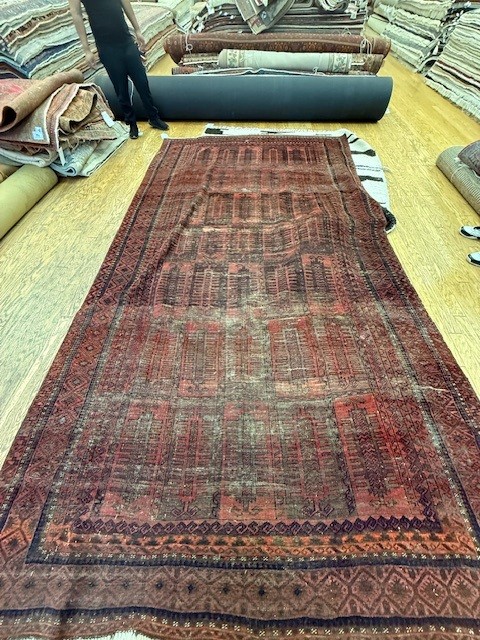
Jafri Rugs fixed this rug by doing the following:
Pre-Repair Cleaning
- A deep
cleaning is performed before repairs to remove dirt, oils, and debris
that interfere with repair work. - Includes:
- Dusting
(front and back) - Gentle
hand washing with pH-neutral detergents so as not to erode the fibers of
the rug - Rinsing
and drying in a temperature-controlled environment
Structural Repairs
These are the most critical to maintain rug integrity:
a. Edge Repair (Overcasting or Binding)
- Rewrap
or rebind fraying edges to prevent unraveling. - Uses
matching wool or cotton thread. - Restores
tension and keeps the weft and warp from separating.
b. Fringe Repair or Replacement
- Stabilizes
or reconstructs the fringe (often the warp threads). - May
involve: - Tying
off loose fringe - Sewing
in new fringe sections - Weaving
new fringes into the foundation
c. Hole or Tear Repair
- Small
holes: patched and reinforced from the back. - Larger
holes or tears: require reweaving the foundation (warp and weft), then
tying new knots to match the original pattern.
4. Pile Reweaving / Pattern Reconstruction
- Rebuilds
worn or missing areas by hand-knotting new wool or silk into the
structure. - Requires:
- Color-matching
wool (often hand-dyed) - Matching
the knot density, knot type (Turkish or Persian), and pattern - Done
by experienced weavers to ensure seamless blending with the original
design.
5. Color Restoration
- In
areas where colors have faded or bled, restorers may: - Touch
up color with textile-safe dyes where there is already wool shown in the
pile but requires blending of color for consistency in the rug’s colors - Avoid
painting, which can damage fibers over time
6. Shearing &
Grooming
- After
repairs, the pile is carefully sheared to match surrounding areas. - Helps
ensure a consistent pile height and finish. - Brushing
aligns the nap and improves visual consistency.
7. Blocking &
Reshaping
- If the
rug is warped or misshapen: - It’s
dampened and laid flat under weight or pinned. - Dried
under tension to restore its original shape and prevent buckling.
8. Final Cleaning & Inspection
- A
final surface clean removes any dust or fibers from the repair. - Inspection
ensures: - Seamless
repairs - Color
and texture matches - Edges
are secure and the rug lies flat
March 19, 2026 | Gloversville, NY
The rug is tremendously damaged requiring the following work only available at Jafri Rugs:
1.Inspection and
Identification: Jafri Rugs carefully inspected to assess the extent of the
moth damage. This involves checking the front and back of the rug for signs of
infestation.
·
Moth Treatment: The rug would be treated
to eliminate any remaining moths and eggs. This usually involves a deep
fumigation process using eco-friendly chemicals or freezing the rug to kill any
pests.
·
Re-weaving or Repairing Damaged Areas:
The affected areas would likely require Jafri’s weavers reweaving the entire
field. The damaged wool would be carefully removed, and new wool fibers,
typically dyed to match the original, would be woven into the affected areas to
restore the rug's appearance.
2. Worn and Faded Areas of the
rug
As an example the medallion is a
central feature in Persian rugs, and significant wear or fading can take away
from the rug’s beauty and value.
·
Color Restoration: To restore the faded vegetable
and chrome dyes, Jafri’s first class weavers dyeing techniques may be employed.
This could involve carefully re-dyeing the
area using natural dyes or color-safe synthetic dyes. This process is
done with precision to match the original hues and avoid dye bleeding.
·
Reweaving/Restoration: If the medallion’s
pattern is worn down to the point of damage, Jafri’s weavers had to reweave the
intricate design. This involves painstakingly replicating the original design
and colors.
3. Fringe and Binding
Unraveling
The fringe and the binding are
crucial for maintaining the structural integrity and aesthetic of the rug.
·
Fringe Repair or Replacement: The
unraveling fringe would need to be reattached or replaced, depending on the
extent of the damage. Jafri’s weavers often restore the fringe by knotting it
back into place using similar fibers (wool or silk, depending on the rug’s
original material). If the fringe is too damaged, it might need to be
completely replaced.
·
Binding Reinforcement: The edges and
binding would also be repaired. This could involve stitching new binding
material (usually wool or cotton) onto the rug’s edges, followed by a careful
reinforcement of the stitching to prevent further unraveling. A careful color
match is essential to keep the aesthetic intact.
4. Wool Pilling
Pilling happens when fibers get
tangled and form small balls of fuzz, which can occur naturally over time with
wool rugs.
·
Shaving the Rug: Pilling can be removed
through a careful process of shaving. Special tools or razors designed for rugs
are used to gently remove the pill without damaging the fibers underneath. The
professional would carefully go over the rug to ensure the pilling is removed
evenly, leaving the wool in good condition.
·
Deep Cleaning: After shaving off the
pilling, the rug would undergo a deep cleaning to remove any remaining loose
fibers and dirt. This would also help restore the softness of the wool.
August 04, 2026 | Johnstown, NY
This rug requires the following work
When a Persian or Oriental rug has been exposed to flooding, rapid professional treatment is essential to prevent permanent damage from mold, mildew, dye migration, odors, and fiber deterioration. At Jafri Oriental Rugs, the flood damage cleaning and restoration process is designed to safely restore handmade rugs while preserving their craftsmanship and value.
1. Emergency Assessment
Each flood-damaged rug is carefully inspected to determine:
- Source of the water (clean water, gray water, or contaminated floodwater)
- Extent of water saturation
- Fiber type (wool, silk, cotton, or synthetic)
- Dye stability
- Mold or mildew growth
- Structural damage to the foundation
This evaluation helps determine the safest restoration approach.
2. Immediate Water Extraction
Standing water is removed as quickly as possible using professional extraction equipment to minimize:
- Mold and mildew growth
- Fiber weakening
- Dye bleeding
- Delamination and foundation damage
Prompt extraction is critical, especially for handmade rugs.
3. Dust and Debris Removal
Floodwater often leaves behind:
- Mud
- Sand
- Silt
- Organic debris
- Bacteria and contaminants
The rug is thoroughly cleaned to remove these materials before the washing process begins.
4. Specialized Hand Washing
Each rug is hand washed using fiber-safe, pH-balanced cleaning solutions appropriate for Persian and Oriental rugs. Depending on the contamination level, technicians may perform multiple washes to remove:
- Dirt and sediment
- Flood residue
- Bacteria
- Odors
- Organic contaminants
Hand washing helps protect delicate wool, silk, and natural dyes while achieving a deep clean.
5. Odor and Sanitization Treatment
Flood-damaged rugs may require specialized treatments to eliminate:
- Musty odors
- Mold spores
- Mildew
- Bacterial contamination
Professional deodorizing and sanitizing treatments help restore freshness without damaging delicate fibers.
6. Controlled Drying
After washing:
- Excess water is extracted.
- Rugs are dried in a climate-controlled environment with proper airflow and humidity control.
- Moisture levels are monitored throughout the drying process.
Controlled drying helps prevent:
- Mold growth
- Shrinkage
- Dye migration
- Fiber distortion
7. Restoration and Repairs
If flooding has caused structural damage, restoration may include:
- Fringe repair or replacement
- Edge binding repair
- Reweaving damaged areas
- Foundation stabilization
- Color correction where possible
These repairs help restore both the appearance and integrity of the rug.
8. Final Inspection
Before the rug is returned, technicians perform a comprehensive quality inspection to verify:
- Complete cleaning
- Odor removal
- Proper drying
- Structural stability
- Color consistency
- Overall restoration quality
Why Immediate Action Matters
Flood damage can permanently affect a handmade rug if left untreated. Prompt professional cleaning can:
- Reduce the risk of mold and mildew.
- Prevent permanent staining and dye bleeding.
- Remove contaminants and odors.
- Preserve the rug's structure and appearance.
- Extend the life of valuable Persian and Oriental rugs.
For the best chance of successful restoration, flood-damaged rugs should be professionally cleaned and dried as soon as possible after water exposure.
August 04, 2026 | Gloversville, NY
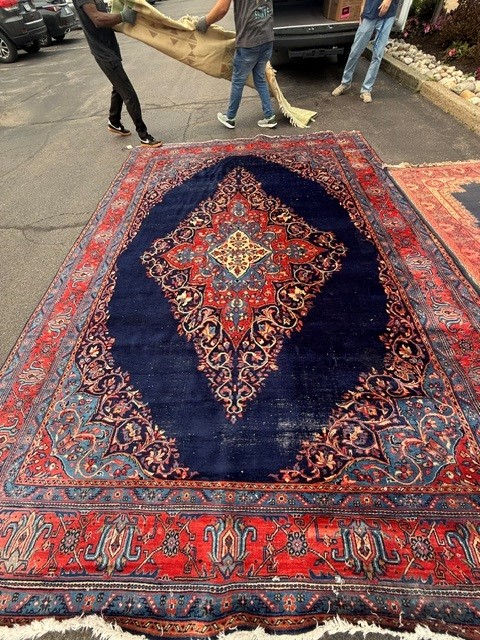
This rug requires the following work
When a Persian or Oriental rug has been exposed to flooding, rapid professional treatment is essential to prevent permanent damage from mold, mildew, dye migration, odors, and fiber deterioration. At Jafri Oriental Rugs, the flood damage cleaning and restoration process is designed to safely restore handmade rugs while preserving their craftsmanship and value.
1. Emergency Assessment
Each flood-damaged rug is carefully inspected to determine:
- Source of the water (clean water, gray water, or contaminated floodwater)
- Extent of water saturation
- Fiber type (wool, silk, cotton, or synthetic)
- Dye stability
- Mold or mildew growth
- Structural damage to the foundation
This evaluation helps determine the safest restoration approach.
2. Immediate Water Extraction
Standing water is removed as quickly as possible using professional extraction equipment to minimize:
- Mold and mildew growth
- Fiber weakening
- Dye bleeding
- Delamination and foundation damage
Prompt extraction is critical, especially for handmade rugs.
3. Dust and Debris Removal
Floodwater often leaves behind:
- Mud
- Sand
- Silt
- Organic debris
- Bacteria and contaminants
The rug is thoroughly cleaned to remove these materials before the washing process begins.
4. Specialized Hand Washing
Each rug is hand washed using fiber-safe, pH-balanced cleaning solutions appropriate for Persian and Oriental rugs. Depending on the contamination level, technicians may perform multiple washes to remove:
- Dirt and sediment
- Flood residue
- Bacteria
- Odors
- Organic contaminants
Hand washing helps protect delicate wool, silk, and natural dyes while achieving a deep clean.
5. Odor and Sanitization Treatment
Flood-damaged rugs may require specialized treatments to eliminate:
- Musty odors
- Mold spores
- Mildew
- Bacterial contamination
Professional deodorizing and sanitizing treatments help restore freshness without damaging delicate fibers.
6. Controlled Drying
After washing:
- Excess water is extracted.
- Rugs are dried in a climate-controlled environment with proper airflow and humidity control.
- Moisture levels are monitored throughout the drying process.
Controlled drying helps prevent:
- Mold growth
- Shrinkage
- Dye migration
- Fiber distortion
7. Restoration and Repairs
If flooding has caused structural damage, restoration may include:
- Fringe repair or replacement
- Edge binding repair
- Reweaving damaged areas
- Foundation stabilization
- Color correction where possible
These repairs help restore both the appearance and integrity of the rug.
8. Final Inspection
Before the rug is returned, technicians perform a comprehensive quality inspection to verify:
- Complete cleaning
- Odor removal
- Proper drying
- Structural stability
- Color consistency
- Overall restoration quality
Why Immediate Action Matters
Flood damage can permanently affect a handmade rug if left untreated. Prompt professional cleaning can:
- Reduce the risk of mold and mildew.
- Prevent permanent staining and dye bleeding.
- Remove contaminants and odors.
- Preserve the rug's structure and appearance.
- Extend the life of valuable Persian and Oriental rugs.
For the best chance of successful restoration, flood-damaged rugs should be professionally cleaned and dried as soon as possible after water exposure.
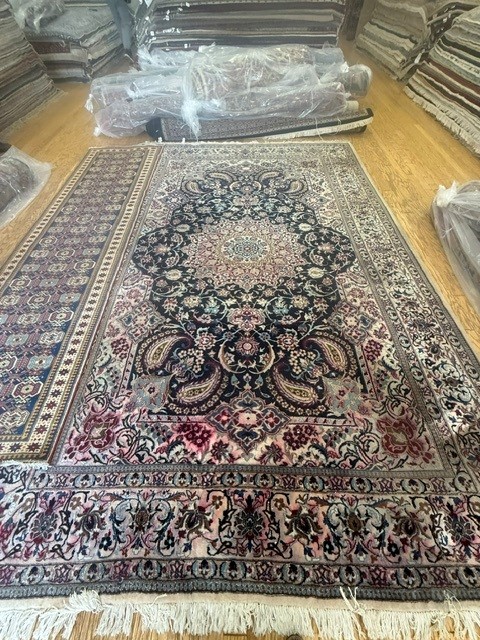
October 05, 2026 | Gloversville, NY
Flood-Damaged Rug Repair & Restoration
Flooding can weaken a rug's foundation, damage fringe, affect the edges, or cause areas of the rug to become structurally unstable.
After cleaning and drying, Jafri can evaluate whether additional restoration is necessary.
Depending on the damage, restoration may include:
- Hand reweaving
- Hole and tear repair
- Foundation stabilization
- Fringe repair or replacement
- Edge and binding repair
- Color correction
- Structural reinforcement
These services allow cleaning and restoration to be addressed as part of the same rug-care process.
Flood Damage to Antique Rugs
Antique and semi-antique rugs require particular care after water exposure. Older fibers and foundations may already have areas of weakness before flooding occurs.
Jafri evaluates antique rugs individually to determine the extent of water damage and whether cleaning, drying, reweaving, fringe repair, foundation restoration, or color correction is appropriate.
The goal is to address the water damage while respecting the rug's original construction and craftsmanship.
Persian Rug Flood Damage Restoration
Persian rugs affected by flooding may require more than standard cleaning.
Jafri's flood restoration services can address:
Water extraction → contaminant removal → specialized washing → odor treatment → controlled drying → structural inspection → repair and restoration.
This comprehensive approach can be used for Persian, Oriental, antique, wool, silk, and other handmade rugs.
Our Flood Damage Rug Cleaning Process
1. Emergency Assessment
The rug is inspected to determine the water source, saturation level, fiber type, dye stability, contamination, and structural condition.
2. Water Extraction
Excess water is removed as quickly as possible to begin reducing moisture-related damage.
3. Dust & Debris Removal
Mud, silt, sand, dirt, and other flood contaminants are removed before washing.
4. Specialized Hand Washing
The rug is carefully washed using cleaning methods appropriate for its fibers, dyes, construction, and condition.
5. Odor & Contaminant Treatment
When necessary, specialized deodorizing and sanitizing treatments are performed.
6. Controlled Drying
The rug is thoroughly dried in a controlled environment to help prevent additional moisture-related problems.
7. Repair & Restoration
The dried rug is evaluated for structural damage. Reweaving, fringe repair, binding repair, foundation stabilization, or color correction may be performed when necessary.
8. Final Inspection
The rug receives a final inspection to evaluate cleaning, drying, odor, color, and structural condition before it is returned.
Why Choose Jafri Rugs for Flood Damage Rug Cleaning?
Flood-damaged rugs require specialized knowledge because cleaning alone may not address damage to the rug's foundation, fringe, dyes, or fibers.
Jafri Rugs provides both professional rug cleaning and artisan repair/restoration, allowing water-damaged rugs to be evaluated from both a cleaning and structural perspective.
Our services include:
- Flood damage rug cleaning
- Water damage rug cleaning
- Persian rug cleaning
- Oriental rug cleaning
- Antique rug cleaning
- Mold and mildew treatment
- Odor treatment
- Water extraction
- Controlled drying
- Reweaving
- Fringe repair
- Foundation repair
- Color correction
Flood Damage Rug Cleaning in Albany & Upstate New York
Jafri Rugs serves customers throughout Albany, Schenectady, Troy, Saratoga, the Capital Region, Hudson Valley, and surrounding Upstate New York communities.
If your Persian, Oriental, antique, wool, or silk rug has been affected by a flood, plumbing leak, burst pipe, or other water event, prompt professional evaluation is recommended.
Schedule Flood Damage Rug Cleaning Today
Has your rug been damaged by flooding or water? Don't wait for the rug to dry on its own.
Contact Jafri Rugs for a professional evaluation of your water-damaged rug. Our team can assess the condition of the rug and determine whether specialized cleaning, drying, repair, or restoration is appropriate.
Jafri Oriental Rugs
116 Wolf Road, Albany, NY 12205
518-750-6282
Free pickup and delivery are available for rug cleaning and repair services.
Serving Albany, the Capital Region, Hudson Valley, and Upstate New York.
Call Jafri Rugs today for professional flood damage rug cleaning and restoration.
Before and After Job Photos Kingsboro
See All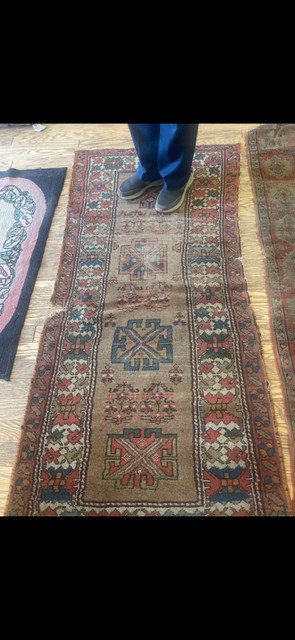
August 30, 2025 | Johnstown, NY
This rug was a museum quality rug brought into Jafri Rug's for restoration work. Given the age of the rug our weavers had to make sure the rug was thoroughly organically cleaned to not make the rug brittle or too course when threading the needle for reweaving otherwise the rug would snap. This rug went thru flood damage and prior to repairing it Jafri Rug restoration cleaned it first.
Persian and Caucasian rug cleaning is an art. The rug in this picture is centuries old and is a threadbare rug. Cleaning aCaucasian antique rug(such as those from the Kazak, Shirvan, or Karabagh regions) requires special care due to their age, natural dyes, and delicate wool. Jafri Rug restoration's step-by-step cleaning process restores and preserves the rug's integrity while removing dirt and grime
The first image shows the rug in completely worn condition where the field of the rug requires reweaving and color restoration
The second image shows the rug completely repaired and the value of the rug has now increased significantly as the antiquity of the rug has been maintained.
Reviews From Our Customers
I bless the day I found Mr Jafri. As one who has collected rugs for 50 years, I both learned about their value and origins and had them beautifully cleaned and repaired.
Very beautiful rugs there, would have been a difficult decision. Only needed a rug pad this time. When we're in the market again, this is where we'll go. Pete, Delmar, NY
Call Us For Your Free Pickup & Delivery Today!
