Jafri Oriental Rug Cleaning Logo
Free Pick-up & Delivery
Contact Us
Call Us Now
518-201-1191

Vermont Area Rug Cleaning and Rug Repair Services

Jafri Oriental Rug Cleaning is a premier rug cleaning company that offers cleaning and protection services for oriental and area rugs in Vermont. We employ state-of-the-art technology, and traditional cleaning techniques, to provide you with the best possible rug cleaning service. We also use pet and environment-friendly products to maintain the quality of your Oriental rugs and keep your family healthy.
518-201-1191 Book Now

Services We Provide

Rug Cleaning

Rug Cleaning

Our crews clean all types of area rugs, removing tough stains from fine word rug.

Rug Cleaning Process
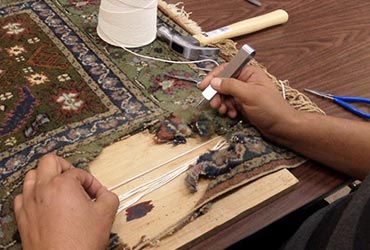
Rug Repair

Rug Repair

We perform fringe repair, color correction, binding repair & rug restoration services.

About Rug Repair
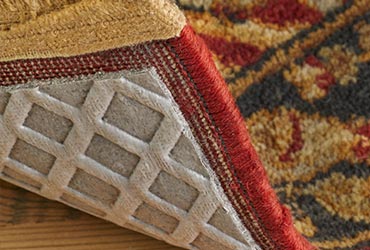
Rug Pads

Rug Pads

We offer custom-sized rug pads to enhance and protect your heirloom & antique rugs.

About Rug Pads
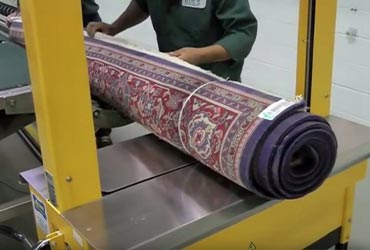
Free Pick-up & Delivery

Free Pick-up & Delivery

For cleaning, repair, and other services, we pick up and return your rug at no charge. 

Contact Us

Expert Care for Your Rugs

At Jafri Oriental Rug Cleaning, our skilled team is equipped to manage your rug cleaning, repair, maintenance, and protection requirements. Our certified specialists ensure the safety, cleanliness, and protection of your rug. We provide individualized care, custom cleaning, and tailored protection to address the specific needs of different rug types.
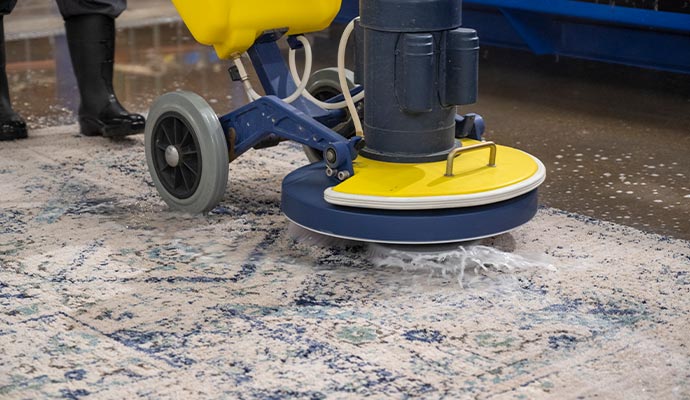
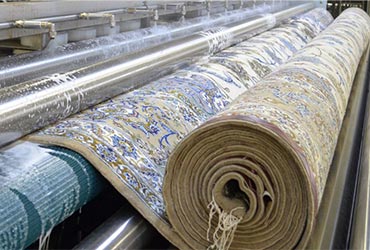
Professional worker cleaning rug

Types of Rugs We Usually Clean

At Jafri Oriental Rug Cleaning, we specialize in cleaning a variety of rugs, including:
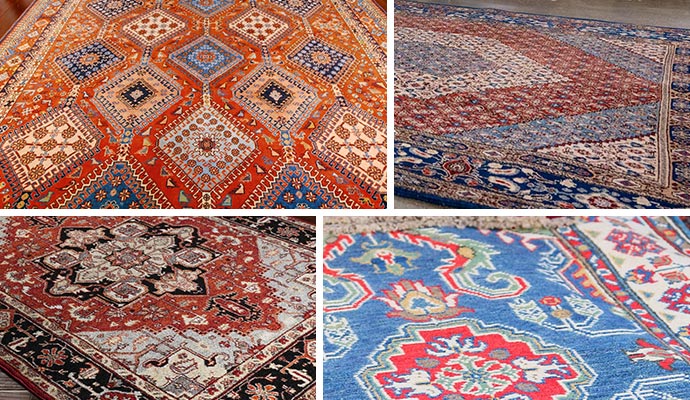
Various types of rugs

Our Comprehensive Rug Cleaning Approach

Since 1979, we have been helping residents of Vermont with our specialized rug cleaning services. Our cleaning approach includes:

Inspection: We conduct a thorough inspection of your rug to determine the most suitable cleaning method.

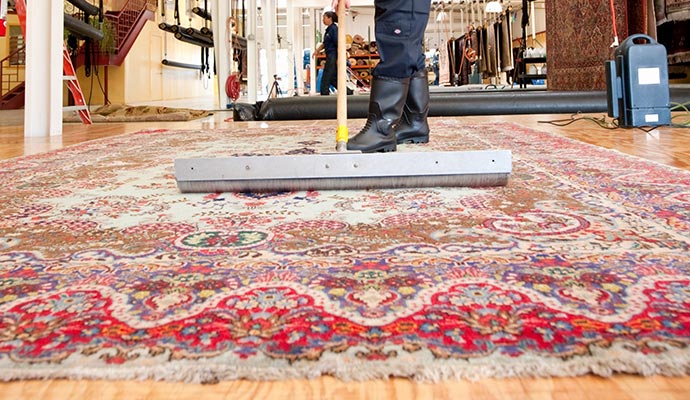
Dusting: We employ a unique dusting approach to eliminate deep-seated dust and dirt from your rug.

Preparing Cleaning Solution: We offer customized treatment to ensure the safest and most eco-friendly cleaning for your rug.

Spot Removal & Fringe Prepare: We identify all visible spots and stains and remove them. We prepare the fringe for treatment.

Cleaning: We use shampoo, cleaners, and other cleaning agents to thoroughly clean your rug and ensure that the fine fibers are preserved.

Rinse & Dry: We meticulously remove all excess dirt and soap from the rug. Then we dry it and return it to the customer.

What Sets Us Apart?

  • Organic Rug Cleaning Process
  • Experienced & Certified Technicians
  • Free Pickup & Delivery
Specialize rug cleaning by professional expert

Let Us Handle Your Rug Cleaning & Protection Needs in Vermont!

At Jafri Oriental Rug Cleaning, we have the expertise to handle all your rug cleaning and protection needs in Vermont. Our individualized care, custom cleaning, and tailored protection to address the specific needs of various rug types make us unique. Let us bring new life to your rugs with our professional cleaning and protection services.
518-201-1191 Reach Us Now!
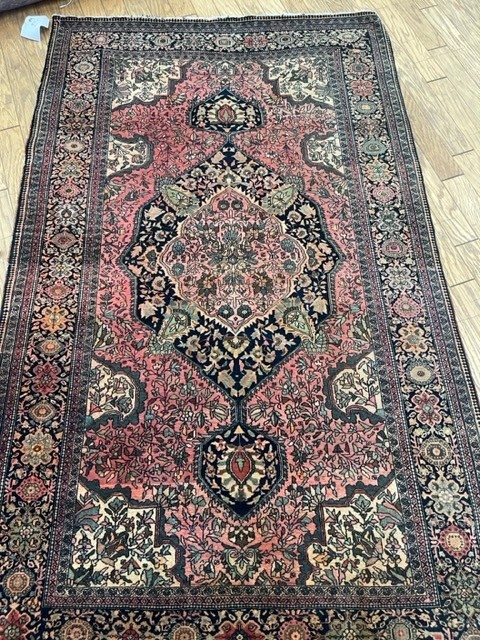
Completed Jobs from Vermont and Surrounding Areas

See All

January 10, 2024 | Rochester, NY

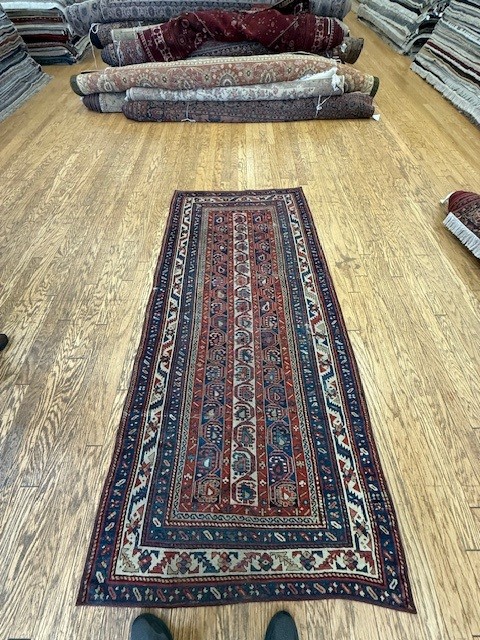
Jafri Rugs not only cleaned the rug but brought back the vitality of the rug and increased the overall value of the rug. Jafri Rugs antique weavers repaired the rug to its original state and restored a century old rug. The rug required spot treatment and binding and fringe restoration. The rug additionally required reweaving into the field of the rug which was all done by hand. All repair work is done by hand.

May 01, 2026 | Rochester, NY

Jafri Rug restoration will do the following:

1. Assessment and Inspection:

Condition Check: Inspect the rug thoroughly for signs of wear, including fraying edges, missing or damaged knots, stains, or fading. This is essential to assess the scope of restoration work needed.

Fabric Type: Identify the materials used (wool, silk, etc.) to ensure the correct restoration techniques and materials are used.

Color Matching: Persian rugs often feature vibrant and intricate color schemes. Color matching is important for any repairs to ensure the restoration blends seamlessly with the original.

2. Cleaning:

Gentle Cleaning: Before restoration, the rug is cleaned to remove dirt and stains. This is typically done by hand or machine using organic olive oil shampoo foam to cleanse the rug and techniques that preserve the integrity of the fibers.

Drying: After cleaning, the rug must be carefully dried to prevent any damage or shrinkage.

3. Repairing Damaged Areas:

Reweaving/Knots: If there are missing or damaged knots, the missing sections will be re-woven by hand. Skilled weavers use the same knotting technique that was used in the original rug to ensure consistency.

Fringe Repair: If the fringe is damaged or missing, it can be reattached or replaced using matching fibers.

Edge Repair: The rug’s edges may become frayed over time. A repair may involve re-binding the edges to prevent further unraveling.

4. Color Restoration:

If the rug has areas with faded or discolored sections, dyes matching the original colors may be applied to restore the vibrancy. This requires careful attention to detail to blend the colors seamlessly.           


Pre-Repair Cleaning

  • A deep cleaning is performed before repairs to remove dirt, oils, and debris that interfere with repair work.
  • Includes:
    • Dusting (front and back)
    • Gentle hand washing with pH-neutral detergents so as not to erode the fibers of the rug
    • Rinsing and drying in a temperature-controlled environment


Structural Repairs

These are the most critical to maintain rug integrity:

a. Edge Repair (Overcasting or Binding)

  • Rewrap or rebind fraying edges to prevent unraveling.
  • Uses matching wool or cotton thread.
  • Restores tension and keeps the weft and warp from separating.

b. Fringe Repair or Replacement

  • Stabilizes or reconstructs the fringe (often the warp threads).
  • May involve:
    • Tying off loose fringe
    • Sewing in new fringe sections
    • Weaving new fringes into the foundation

c. Hole or Tear Repair

  • Small holes: patched and reinforced from the back.
  • Larger holes or tears: require reweaving the foundation (warp and weft), then tying new knots to match the original pattern.


4. Pile Reweaving / Pattern Reconstruction

  • Rebuilds worn or missing areas by hand-knotting new wool or silk into the structure.
  • Requires:
    • Color-matching wool (often hand-dyed)
    • Matching the knot density, knot type (Turkish or Persian), and pattern
  • Done by experienced weavers to ensure seamless blending with the original design.


5. Color Restoration

  • In areas where colors have faded or bled, restorers may:
    • Touch up color with textile-safe dyes where there is already wool shown in the pile but requires blending of color for consistency in the rug’s colors
    • Avoid painting, which can damage fibers over time


 6. Shearing & Grooming

  • After repairs, the pile is carefully sheared to match surrounding areas.
  • Helps ensure a consistent pile height and finish.
  • Brushing aligns the nap and improves visual consistency.


 7. Blocking & Reshaping

  • If the rug is warped or misshapen:
    • It’s dampened and laid flat under weight or pinned.
    • Dried under tension to restore its original shape and prevent buckling.


8. Final Cleaning & Inspection

  • A final surface clean removes any dust or fibers from the repair.
  • Inspection ensures:
    • Seamless repairs
    • Color and texture matches
    • Edges are secure and the rug lies flat

July 04, 2026 | Rochester, NY

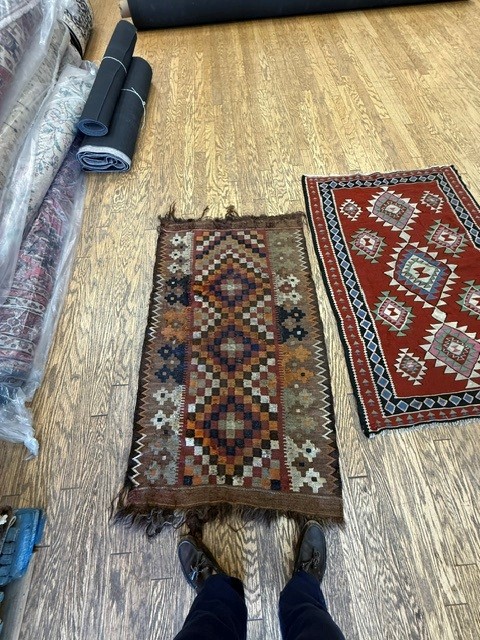
Repairing a woven Turkish kilim requires preserving the original weave, colors, and structure. The exact process varies depending on the damage, Jafri's restoration typically follows these steps:

  1. Inspection and Documentation
    • Identify fiber type (usually wool on wool or wool on cotton).
    • Assess damage such as holes, moth damage, worn areas, tears, broken selvages, or fringe loss.
    • Photograph the rug before work begins and determine whether repairs should be structural, cosmetic, or both.
  2. Dusting and Washing
    • Remove embedded dust and grit.
    • Hand wash the kilim using fiber-safe detergents.
    • Dry the rug flat under controlled conditions. Repairing a dirty rug can lock debris into the weave and accelerate wear.
  3. Stabilization
    • Secure weak edges or tears to prevent additional unraveling during restoration.
    • Reinforce loose wefts or warps before reconstruction begins.
  4. Reweaving
    • Match the original wool, yarn thickness, twist, and dye colors as closely as possible.
    • Recreate the missing warp and weft structure.
    • Hand-weave replacement sections following the original weaving technique and pattern.
  5. Selvage and Edge Repair
    • Rebuild damaged side cords if needed.
    • Rewrap or reinforce the selvages to restore strength and prevent future fraying.
  6. Fringe Restoration
    • Replace or reconstruct damaged fringe if it is structurally important.
    • Secure the fringe to the rug's foundation using traditional techniques.
  7. Blocking and Reshaping
    • Square the rug if it has become distorted.
    • Adjust tension so the kilim lies flat without ripples.
  8. Final Inspection
    • Check weave consistency and structural integrity.
    • Trim any excess fibers and ensure the repaired area blends naturally with the original rug.

For valuable or antique Turkish kilims, Jafri generally aims for conservation-quality repairs, preserving as much original material as possible rather than replacing large sections unnecessarily. Color matching, yarn selection, and weave replication are key to maintaining both the rug's appearance and value.

The complexity of the repair depends on the extent of the damage. Small moth holes may take a few hours, while reconstructing large missing sections or intricate geometric motifs can require dozens of hours of hand weaving.

Reviews From Our Customers
Call Us For Your Free Pickup & Delivery Today!
518-201-1191
Arrow